Learning from yesterday, building a stronger tomorrow
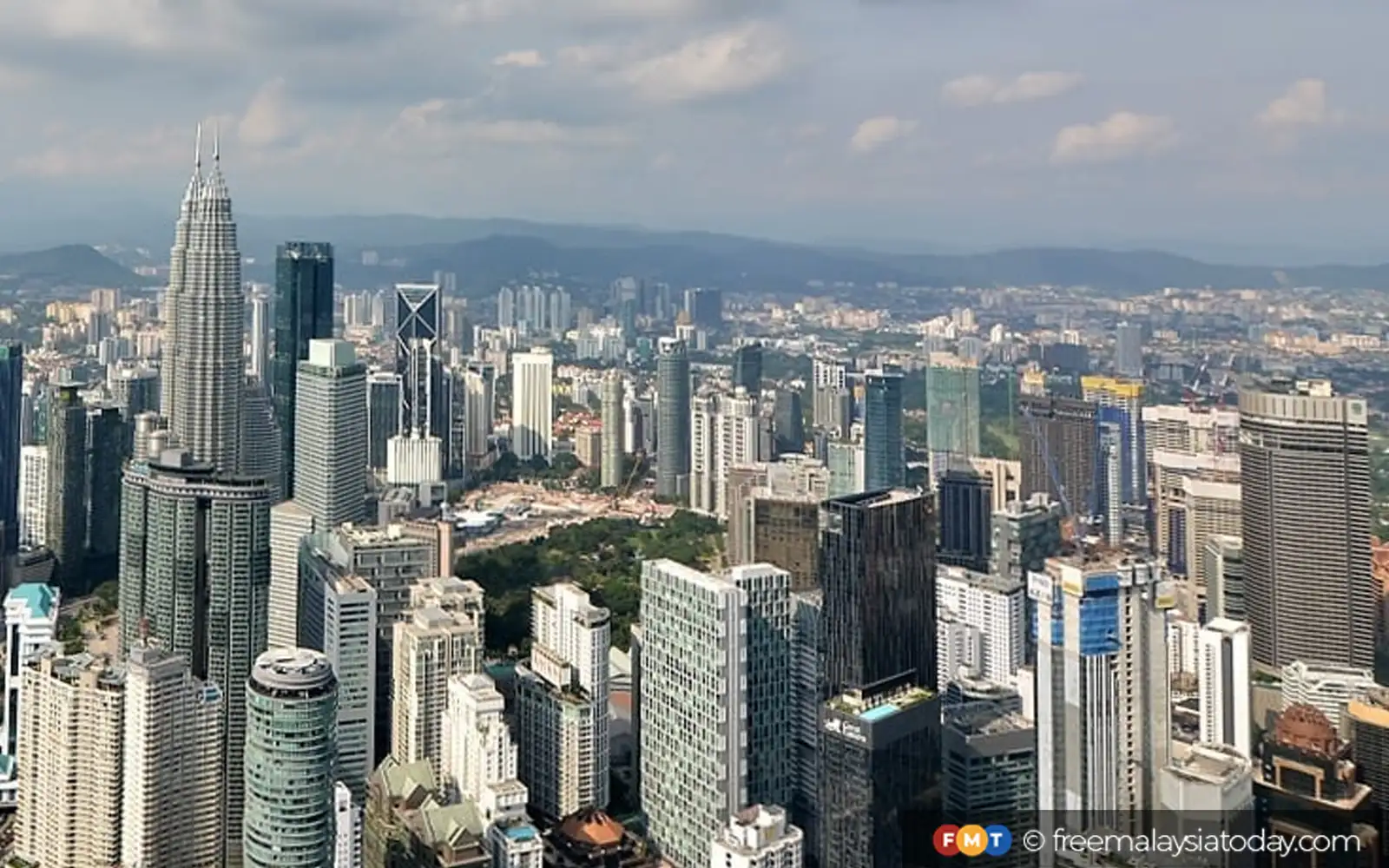
Malaysia is in an increasingly favourable position despite geopolitical rivalry, trade tensions and global uncertainty.
The country has re-emerged as an attractive investment destination, particularly in manufacturing, semiconductors and other high-value industries.
Net foreign direct investments (FDI) rose 41.6% in 2025, while approved investments reached a record RM426.7 billion. Momentum continued in 2026, with RM218.5 billion in approved investments in the first half, up 11.7% year-on-year.
These gains did not happen by chance.
While today’s policymakers deserve credit for navigating a complex global environment, Malaysia’s resilience is also the product of foundations built over decades through long-term planning, industrialisation, infrastructure investment and economic reform.
The more important question, therefore, is not who deserves credit, but how Malaysia built these capabilities — and what lessons can be carried forward.
The foundations of resilience
Malaysia was once heavily dependent on commodities. Recognising the risks, policymakers pursued industrialisation, economic diversification and export-led growth.
The results were transformative. Between 1988 and 1997, Malaysia recorded average annual GDP growth of about 9%, placing it among the world’s fastest-growing economies. Manufacturing expanded significantly, laying the foundations for today’s open, export-oriented economy.
Industrialisation was matched by major infrastructure investment. Highways, ports, airports, utilities and telecommunications networks expanded alongside the economy, strengthening connectivity and enabling Malaysian businesses to compete regionally and globally.
Greater private-sector participation accelerated infrastructure development and helped build larger, more capable Malaysian corporations, some of which are now among Bursa Malaysia’s largest listed companies.
Equally important was openness to investment.
Successive policymakers recognised that investors need more than incentives. Capital flows to countries where businesses have confidence in policy continuity, infrastructure, institutions and the economy’s long-term direction.
Those principles remain relevant today.
Malaysia is now a significant exporter of electrical and electronic products, an important participant in the semiconductor ecosystem, and an increasingly attractive location as companies diversify their manufacturing and supply chains.
The capabilities Malaysia has today were not created overnight. They are the cumulative result of policies, investments and institution-building sustained across decades and successive administrations.
Yesterday’s strengths, today’s challenges
But past successes should not make us complacent.
The economic challenges confronting Malaysia today are vastly different from those faced several decades ago, especially in the age of globalisation and artificial intelligence (AI).
Malaysia has achieved substantial economic progress, but important socio-economic challenges remain. The cost of living continues to weigh on our households.
Wage growth and productivity need to accelerate. Income disparities, housing affordability, demographic shifts, an ageing population, and the quality of our education system will have a significant influence on Malaysia’s future competitiveness.
At the same time, competition for investment is intensifying.
Vietnam, Indonesia, Thailand and other emerging economies are competing aggressively for global capital and manufacturing investment. AI, automation, renewable energy and advanced manufacturing are transforming industries at extraordinary speed.
The global economic order itself is also changing. Geopolitical rivalry, trade restrictions and the restructuring of global supply chains are creating opportunities for Malaysia but also introducing new vulnerabilities.
Simply relying on the advantages created by policies of the past will therefore not be sufficient.
Malaysia must build the next generation of competitive economic advantages to secure its future.
The case for bold policymaking
One of the most important lessons from Malaysia’s development experience is the value of having a clear national direction.
Long-term national ambitions can mobilise government, businesses, investors and society around common objectives. They encourage policymakers to look beyond annual budgets and electoral cycles and consider where the country should be in 10, 20 or even 30 years.
Malaysia needs that sense of direction again — a bold plan that will redefine our ambitious journey towards high-income nation.
The country should ask difficult but necessary questions.
What industries should Malaysia aspire to lead in over the next two decades? How do we move further up the semiconductor value chain rather than remaining concentrated in selected segments?
How can AI transform Malaysian industries rather than simply disrupt them? How do we create higher-paying jobs capable of retaining Malaysian talent?
And most importantly, how do we ensure that economic progress translates into meaningful improvements in the lives of ordinary Malaysians — clear policies and guidance that will raise the floor.
The answers will require more than incremental adjustments.
Policymakers must be prepared to make bold decisions on education, talent development, productivity, technology, energy, infrastructure, fiscal sustainability and the competitiveness of Malaysian businesses.
Some reforms may be difficult. Others may take years before producing visible results. But nation-building has never been about choosing only policies that deliver immediate rewards.
The objective should not simply be to preserve Malaysia’s present position. It should be to establish a compelling vision for the next generation — one that is capable of addressing the socio-economic challenges Malaysians face today while placing the country in a more formidable economic position tomorrow.
The policies of yesteryear helped safeguard Malaysia through many of the uncertainties confronting the country today. The policies we choose today will determine whether the next generation can say the same about us.
Pankaj Kumar, who specialises in investment research, fund management and corporate strategy, is an FMT reader.
The views expressed are those of the writer and do not necessarily reflect those of FMT.
Subscribe to our newsletter and get news delivered to your mailbox.
KioskNews shows a cleaned-up reading view extracted from the publisher’s page — the original always lives on their site, not ours.