Cut benefits to fund defence, say majority of Britons in new poll ahead of Budget
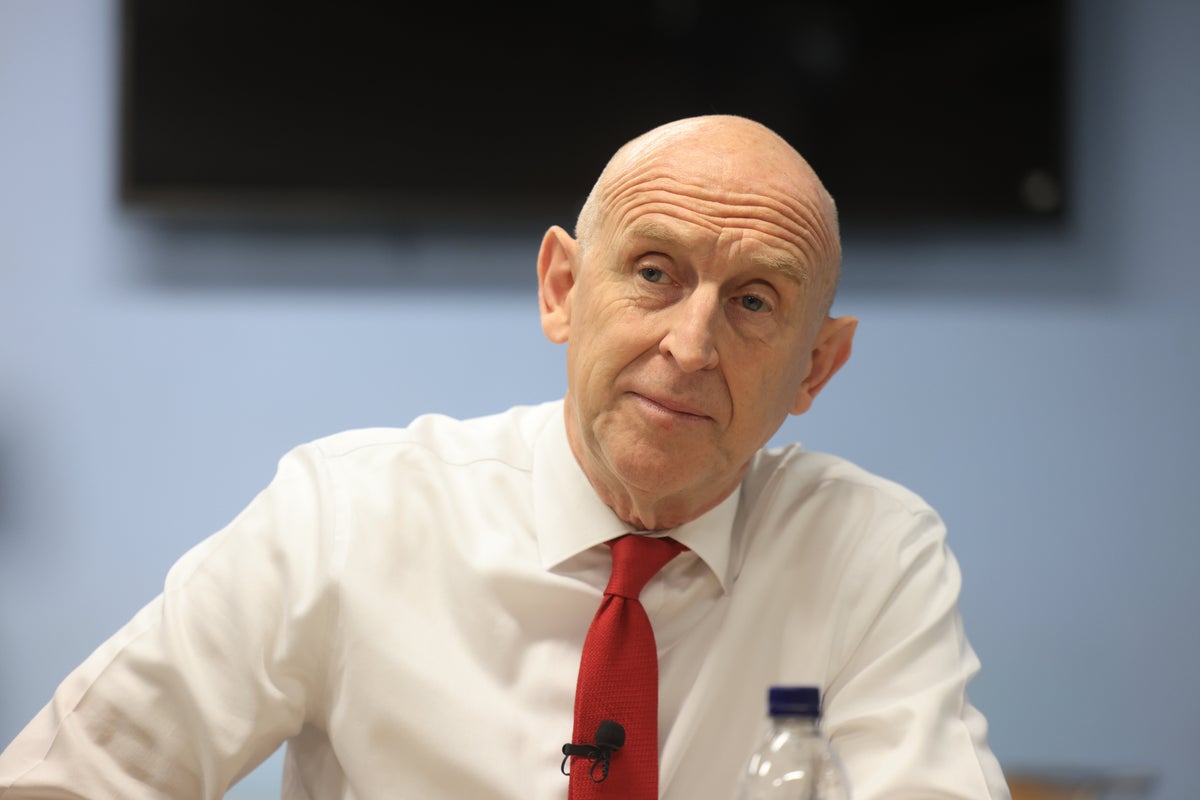
The majority of Britons back cutting welfare spending to boost defence, a new poll has found, as John Healey prepares to deliver his first Budget under Andy Burnham’s leadership.
Former defence secretary Mr Healey is under pressure to find billions of savings to help ramp up Britain’s military spending, whilst also ensuring the string of pledges set out by the prime minister during his first weeks in office are fully funded.
Sir Keir Starmer and Rachel Reeves faced a massive backbench rebellion when they sought to table their own welfare reforms in June 2025 and were forced to perform a U-turn.
But new polling from More in Common suggests the majority of voters believe its worth investing more in defence even if it means cutting benefits.
Polling shows 57 per cent believe the trade off is worth it, whilst 43 per cent say it is not.
Meanwhile 78 per cent of those who voted Conservative in 2024 believe Mr Healey should cut benefits to fund defence, while 76 per cent of Reform UK voters were also in favour.
Of Labour’s 2024 voters, 55 per cent is supportive of the forced trade off, whilst 45 per cent are not.
However, younger Britons and those who are struggling do not want to see benefits cut to fund defence, with 61 per cent of those who are either struggling to or cannot afford the cost of living opposing the idea, and 57 per cent of Gen Z opposing.
“The argument of cutting benefits for defence is popular with voters overall,” Luke Tryl, UK Director at More in Common, said.
“That said, again, when we've occasionally asked about specific elements of the welfare budget, [such as] unemployment benefits, PIP - those numbers are much closer or even reverse entirely”
Mr Healey is expected to outline the proposals at approximately 12.30pm on Wednesday in the Commons, immediately after Mr Burnham has finished his weekly despatch box showdown with Kemi Badenoch at Prime Minister’s Questions.
Mr Healey has faced pressure from opposition parties to reduce spending on benefits.
Speaking at his first Labour conference speech as chancellor, he told members it is not progressive “to allow a bigger and bigger benefits” bill.
In his speech at the Labour Party conference last month, Mr Burnham also said the government could get the welfare bill down by supporting more people into work.
But he ruled out “crude cuts” to benefits, saying that should “never be the Labour way”.
Meanwhile, one of the biggest challenges facing Mr Healey is that he will have to set out how the government will fund £5bn of defence spending announced in May’s Defence Investment Plan (Dip) without details of how it would be paid for.
He will come under pressure to increase that funding further, having resigned as defence secretary ahead of publication of the Dip, arguing it did not provide enough money for the armed forces.
More in Common’s research found that Britons are less pessimistic about the economy this year, which fewer now believing the UK is in a recession, and the share who say public services are in a bad state has fallen from 68 to 54 per cent.
However, the same share of people (51%) say their finances have got worse this year as last year.
Public expectations for Mr Healey’s Budget are also low, with 55 per cent feeling pessimistic, compared to just 17 per cent who feel optimistic
Two in three people expect their taxes to rise, and 54 per cent expect their quality of life to get worse.
“Despite their jump in the opinion polls, this research suggests that Andy Burnham and his Chancellor still have their work cut out to persuade the ‘squeezed middle’ - those in work and not eligible for benefits but who are not high earners - that he has their back,” Mr Tryl said.
“While Burnham’s Labour Party now leads both among those who are financially comfortable and those who are struggling the most, they trail among the middle group who can cover their essentials but for whom luxuries seem more and more out of reach.
“This ‘squeezed middle’ are the most likely to say they are bracing for tax hikes - but already feel they pay too much and want lower taxes. This group also says their energy bills are unaffordable and want help to manage the rising cost of living.
“The risk for Healey and his Chancellor is that this group - who work, or who have worked - feel that the Budget not only fails to do enough to tackle a welfare bill they think is unsustainable, but also reinforces their anger at a broken social contract by only offering energy bill support to those already receiving benefits, leaving them to fend for themselves.”
KioskNews shows a cleaned-up reading view extracted from the publisher’s page — the original always lives on their site, not ours.