The surprising way scientists are trying to save coral reefs from Super El Niño
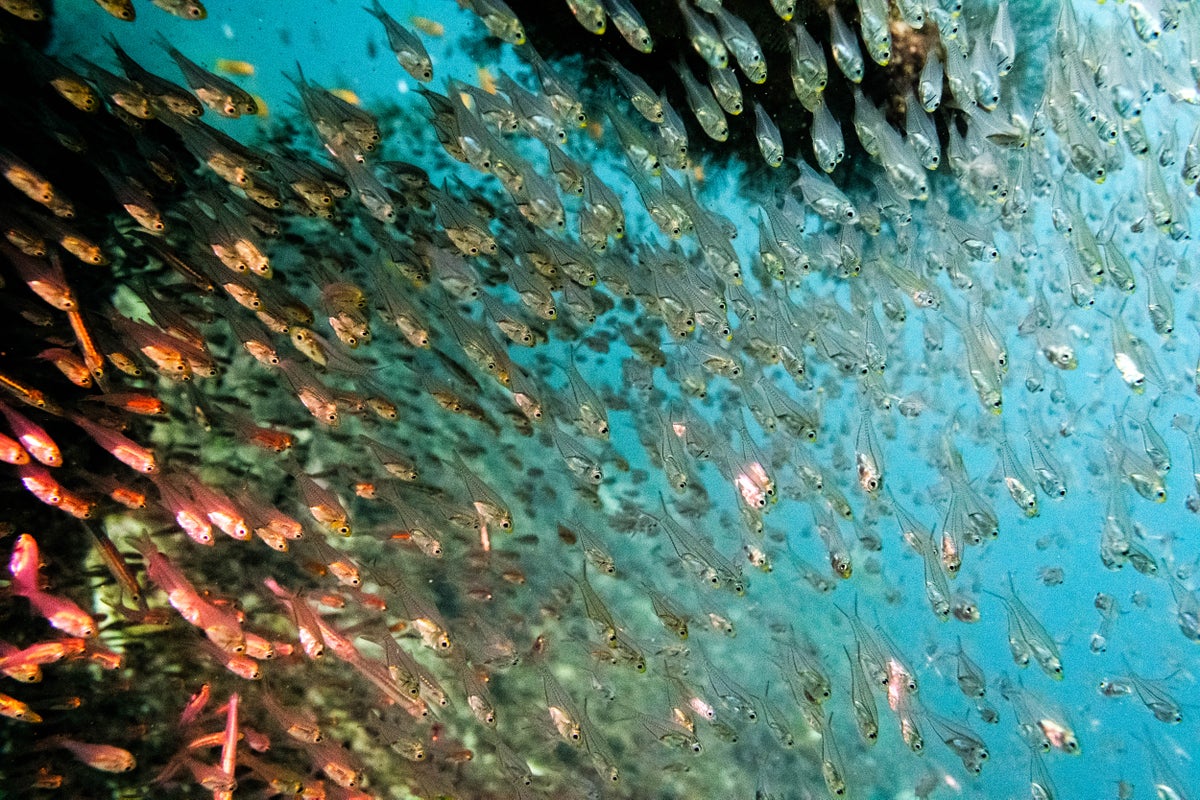
In a desperate bid to restore damaged coral reefs, scientists have turned to an unlikely solution – music.
A record-breaking Super El Niño brewing in the Pacific Ocean is sending shockwaves through the global climate system, pushing sea surface temperatures to unprecedented heights and threatening ecosystems worldwide.
The effects of this are severely hitting coral reefs – a vital marine ecosystem supporting a quarter of all sea life – which face catastrophic bleaching as rising water temperatures force them to expel their nutrient-providing algae.
With heatwaves leaving ecosystems little time to naturally regenerate between repeat disasters, marine scientists are now scrambling to deploy radical new survival techniques.
A project led by researchers at the Woods Hole Oceanographic Institution (WHOI) in Massachusetts, and published in Royal Society Open Science, has found that sound can help preserve coral.
The technique builds on the surprising discovery that floating coral larvae, despite being microscopic, can actually hear and navigate using underwater noise.
When corals spawn, their larvae float through open water searching for a place to attach permanently. In healthy ecosystems, the natural orchestra of reef life acts as a sonic beacon. But when a reef dies, it goes quiet, leaving young corals drifting past without settling.
By playing healthy reef sounds back to the ocean, scientists are successfully tricking larvae into thinking degraded sites are thriving habitats.
"Healthy reefs are naturally broadcasting sound all over the place," said Dr Aran Mooney, a marine bioacoustician at WHOI who leads the project.
In field trials across the Caribbean, Hawaii, and Dominica, researchers placed coral larvae in floating chambers exposed to underwater speakers.
Sites playing healthy reef audio saw larval settlement rates triple on average compared to quiet control sites, with some locations seeing an eightfold increase.
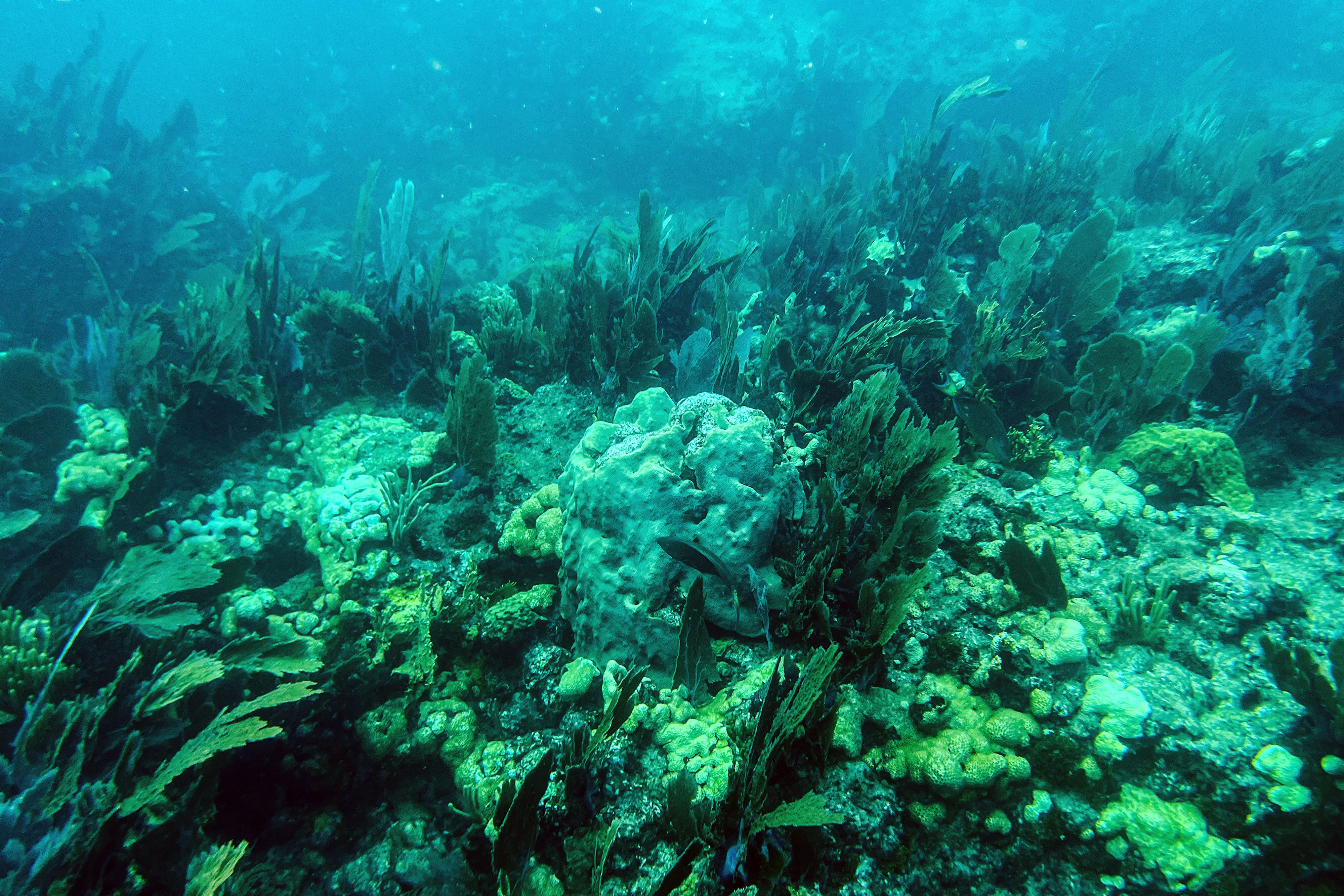
The acoustic project comes as extreme ocean temperatures cause widespread destruction. Heatwaves force corals to shed the colourful algae living inside their tissues. Without this algae, corals turn bone-white and quickly starve unless water temperatures drop in time for them to recover.
Because global bleaching events are now happening in rapid succession, reefs rarely get the decade-long window they need to bounce back naturally. Global hard coral cover dropped significantly during recent heatwaves, with an 8.9 per cent drop recorded in 2024 alone.
"It's sort of like having Covid, also getting the flu, and at the same time being stressed about your job," explained Dr Amy Apprill, a marine geochemist at WHOI, describing the compounding physical stress on marine life.
To keep reefs alive through upcoming El Niño cycles, scientists are pairing acoustic lures with other high-tech and low-tech fixes. These include breeding heat-tolerant "super corals", relocating shallow colonies to deeper and cooler waters, and dosing reefs with protective bacterial cocktails to boost their immune systems.
"You swing between almost giving up, to going, 'I'm going to fight to my dying breath to try and make things a bit better,'" said Dr Michael Sweet, a coral biologist at the University of Derby.
While experts stress that slashing global carbon emissions is the only long-term fix for ocean survival, underwater acoustic restoration could open a door to help fragile reefs rebuild in the short term.
KioskNews shows a cleaned-up reading view extracted from the publisher’s page — the original always lives on their site, not ours.