Hundreds of children ‘prescribed weight-loss jabs’, data shows
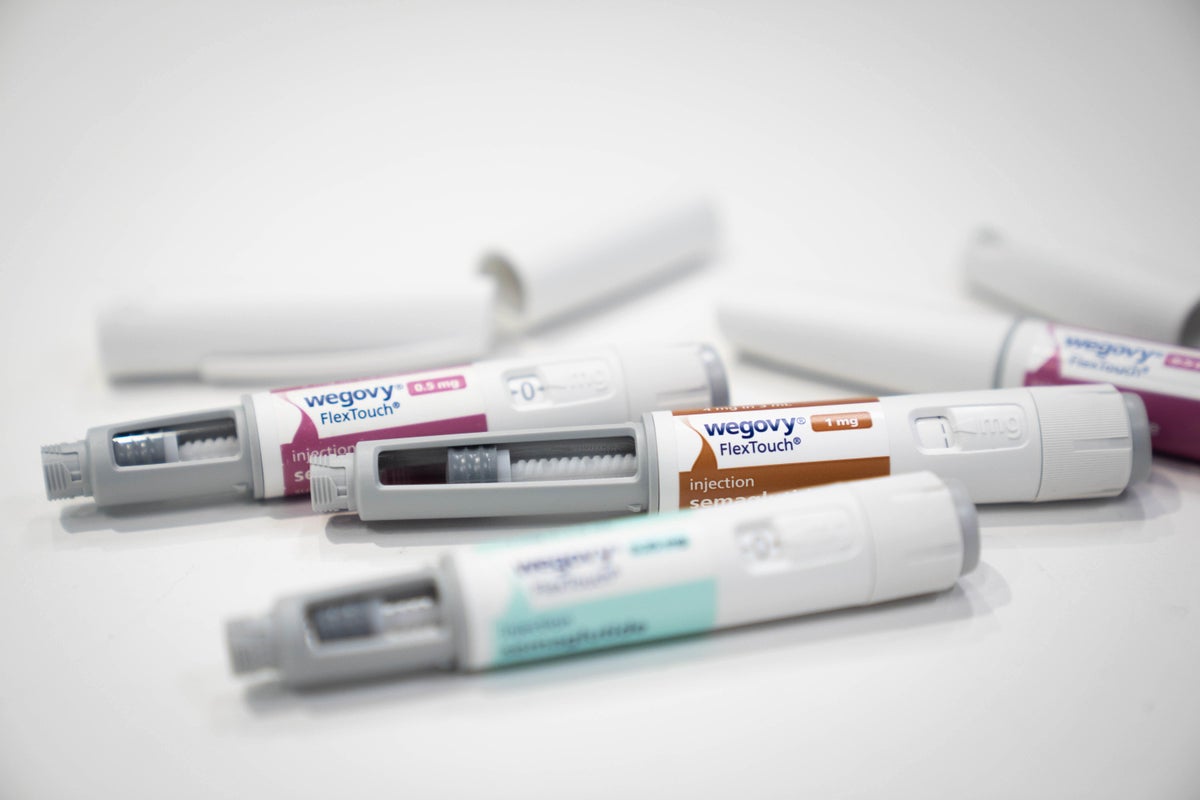
Hundreds of children, including some younger than 12, across England have reportedly been prescribed GLP-1 medications.
GLP-1s, such as Wegovy and Mounjaro, are primarily used to treat diabetes and obesity by mimicking hormones to regulate blood sugar and reduce appetite.
The medications have become household names as aids to lose weight and data reported by The Guardian shows that GLP-1s have been prescribed to children across the country.
The newspaper reports that in the 2005 to 2026 financial year there were 419 prescriptions issued to those under the age of 18, 10 of which were for children under the age of 12.
It adds that, in the four months from April to July 2026, 341 prescriptions for GLP-1s were issued to children, 15 of whom were under the age of 12.
The figures were obtained by The Guardian from the NHS Business Services Authority through freedom of information requests.
The Independent approached the NHS Business Services Authority for comment.
The data relates to prescriptions in England and dispensed in a community setting anywhere in the UK.
It does not cover those prescribed or dispensed in private settings or in hospitals or prisons, suggesting the actual figure could be higher.
Martin Whyte, a professor of metabolic medicine at the University of Surrey, said that though this number of prescriptions is small compared with the scale of childhood obesity, those taking them required long-term lifestyle change.
He said: “The important thing is that children who start them do so within specialist services, with support for diet, growth and wellbeing, and a plan for the long term.
“That includes regular monitoring of growth and puberty, nutritional intake, mental health and eating behaviours, and side effects.
“This matters partly because we know weight tends to return when the drugs are stopped, and partly because we still have limited data on use over many years in growing young people.”
Earlier this month, new government data showed obesity among children in England is on the rise.
Some 10.7 per cent of children in the Reception year of primary school (ages four and five) are obese, while 22.8 per cent of those in Year 6 (ages 10 to 11) are too.
The 2025-6 data means that, when the pandemic obesity peak is disregarded, obesity in Reception is at its highest-ever level since records began.
Among children in Year 6, obesity is also higher than the previous year (22.2 per cent) and higher than pre-pandemic levels.
Overall, 1.1 million children were measured in state schools in England as part of the National Child Measurement Programme, which records height and weight to help decide on public health plans and which regions need most help.
The data showed that girls in primary school were more likely than boys to be a healthy weight, and boys are more likely to be obese and severely obese (6.9 per cent are severely obese in Year 6 compared to 4.8 per cent of girls).
Obesity in the most deprived regions is also more than double the most affluent areas both for Reception (14.2 per cent compared to 6.9 per cent) and Year 6 (30.3 per cent compared to 13.9 per cent).
KioskNews shows a cleaned-up reading view extracted from the publisher’s page — the original always lives on their site, not ours.