Palace assures farmers, IPs won't be neglected in Pax Silica project
Make this your preferred source to get more updates from this publisher on Google.
Malacañang on Wednesday assured that Indigenous Peoples (IPs) will not be neglected or displaced by the planned Pax Silica initiative, as the government prepares to finalize its legal framework.
Palace Press Officer Undersecretary Claire Castro said the planned Pax Silica facilities would be built within a designated buildable zone, which she said would prevent the displacement of farmers and IPs.
“Sa ating pagkakaalam, ilalagay naman ang nasabing istruktura doon sa buildable zone. So kung nasa buildable zone siya, wala dapat na maapektuhan ang ating mga kababayan, mga farmers or IPs,” she said.
(As far as we know, the said structure will be placed in the buildable zone. So if it is in the buildable zone, our countrymen, farmers, or IPs should not be affected.)
Castro also assured that affected residents would be provided with relocation sites and financial assistance should the project result in displacement.
“Kung nandun sila sa buildable zone, hindi po sila pababayaan para mawalan sila ng lugar para tirahan. Malaki po yung area na maaaring mapagdadalhan ng ating mga kababayan. At hindi po mawawala ang mga financial assistance kung mayroon po talagang ma-displace,” she added.
(If they are in the buildable zone, they will not be abandoned or left without a place to live. The area is large enough to accommodate our countrymen. Financial assistance will also be provided if there are indeed people who will be displaced.)
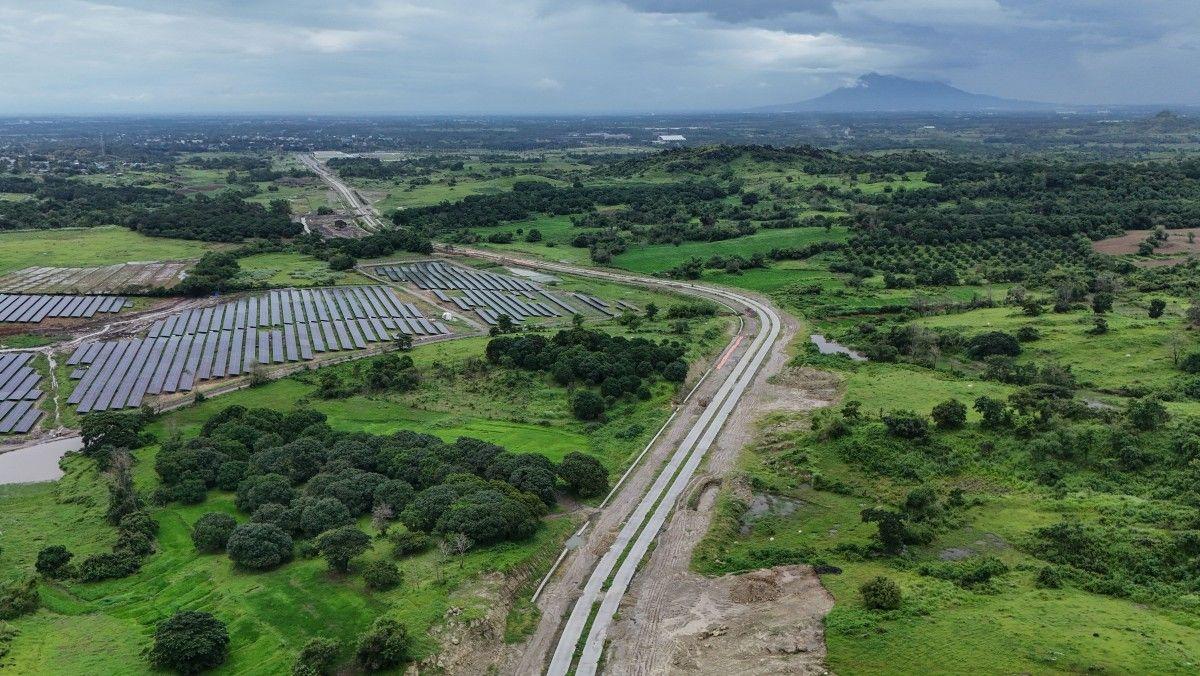
Malacañang made a similar assurance in August, saying that the proposed Pax Silica project in New Clark City would not displace farmers because the site has been designated as a "buildable zone" since 2019.
According to Castro, the 3,500-hectare area designated as buildable zones includes the site identified for the Pax Silica project. Meanwhile, around 6,000 hectares have been reserved for green spaces, forest reserves, and planned agricultural areas.
The proposed Pax Silica initiative has drawn criticism from farmers, IP and environmental groups over concerns that the planned high-tech industrial hub in New Clark City could encroach on ancestral lands, displace Aeta communities and threaten agricultural livelihoods and natural resources.
Critics have also raised concerns over the project's projected water and electricity requirements, particularly the potential strain that artificial intelligence data centers could place on local resources and surrounding ecosystems.
They have called for greater transparency and consultations with affected communities before the project proceeds.
Meanwhile, when asked whether the Pax Silica legal framework would be signed during the Association of Southeast Asian Nations (ASEAN) Summit, Castro said, “We’ll see.”
“Sa ngayon draft agreement; let us see. Baka naman magkaroon ng mas mabilis na aksyon,” she said.
(There is currently a draft agreement. Let us see. Perhaps action could be taken sooner.)
The Bases Conversion and Development Authority (BCDA) earlier said there was no specific date yet for the signing of the legal framework for the planned Pax Silica initiative.
The agreement was initially targeted for signing in November, the same month US President Donald Trump is expected to visit the Philippines for the ASEAN Summit.— MCG, GMA News
Follow GMA News Online on Facebook for real-time news and developments in the Philippines and around the world.
KioskNews shows a cleaned-up reading view extracted from the publisher’s page — the original always lives on their site, not ours.