Rural penetration drives growth for feminine hygiene products
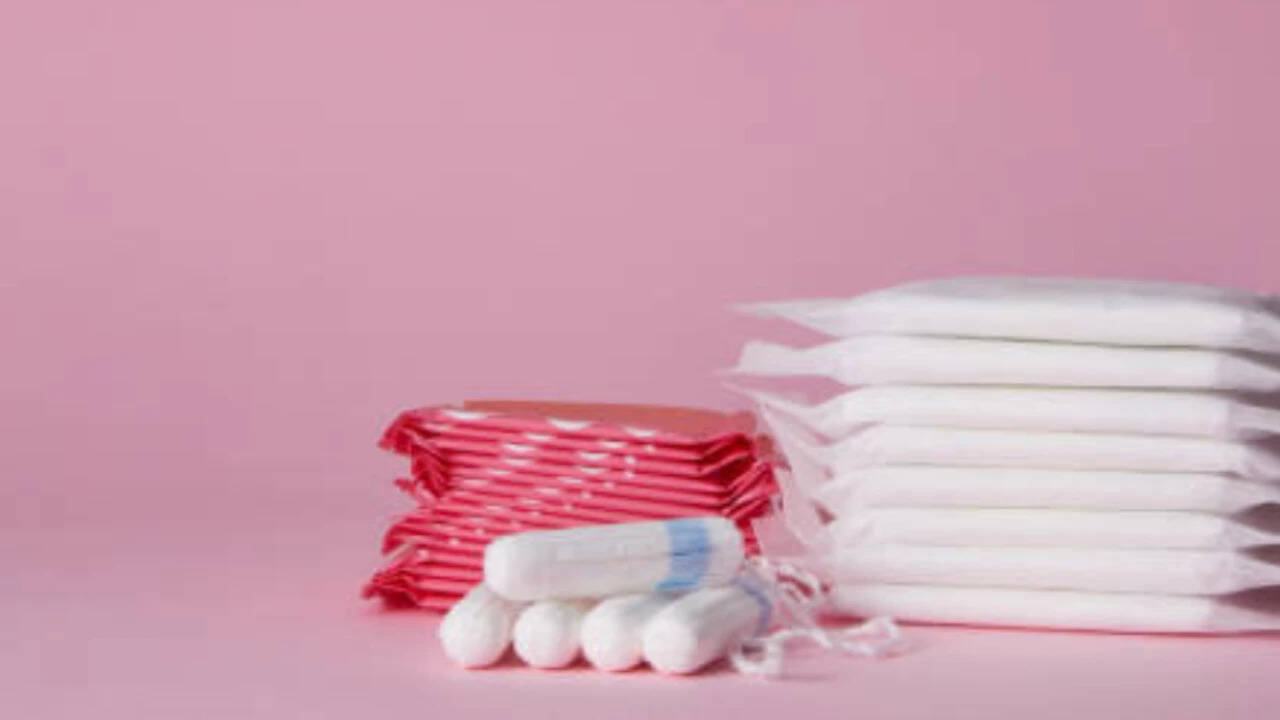
Sanitary napkins drive feminine hygiene growth as rural penetration surges
NEW DELHI: Feminine hygiene, largely an urban-led category in India, is finding its next leg of growth in rural markets, where penetration is rising rapidly and bringing more households into the category.Rural penetration for feminine hygiene products surged from 28% (MAT June 2022) to nearly 42% over four years (MAT June 2026). During the same period, penetration in urban markets increased from 61% to a little over 65%, data culled by TOI from Wordpanel by Numerator (formerly Kantar) said.Overall, the category is driven bytraditional sanitary napkins, while tampons and panty liners make up less than 1% of all the category shoppers.
While household penetration continues to expand, especially in rural India, existing buyers are also contributing to growth by spending more and making it a more regular part of their monthly shopping basket, K Ramakrishnan, MD South Asia, Worldpanel by Numerator said.Urban households currently spend Rs 555 on the category, while rural households shell out Rs 298 (MAT June 2026). Urban households buy more expensive packs at Rs 77 per pack on average, while the rural shoppers spend Rs 44 on a single pack, the data showed.
The category of feminine hygiene is growing at 7-10%, with growth coming from varied sub segments like soft-product users, night-time usage, or even different sizes.Over last five-to-eight years, category penetration in urban India or younger consumers has grown manifold, and Whisper has been in the driving seat for these inroads, V Kumar, MD, P&G said in a recent earnings' call.In urban markets, product innovation and newer formats are creating fresh avenues for expansion, industry experts said.
While Whisper continues to lead the market, period panties are emerging as a new growth driver for the company, particularly in urban markets. For instance, one in four consumers on quick commerce -- that buy these products -- are picking up panties.Further, the category once dominated by two brands -- Whisper and Stayfree -- is facing increasing competition with many regional and D2C players having entered the category with a host of offerings.
It is estimated that in last 10 years, over 50 new players have entered the category. Brands such as Sofy, Pro-ease, Comfy, and Niine are rapidly growing, indicating that shoppers are seeking products that better meet their diverse needs and budgets."We have a demonstrated track record of product innovation in the feminine absorbent hygiene category, such as heavy-flow pads. We see disposable period panties as a strategic whitespace opportunity that addresses specific unmet needs, including heavy-flow nights, leak-proof security and postpartum recovery", Kamal Johari, chairman & MD, Nobel Hygiene said.
KioskNews shows a cleaned-up reading view extracted from the publisher’s page — the original always lives on their site, not ours.