36 Years Later, The Single Best Comic Issue Of The 1990s Is Still Essentially Perfect

An experienced Editor representing Canada via ScreenRant's Team Anime, J.R. has been reading manga since the first printing of Shonen Jump in North America. This passion drove him to write about anime, manga, and manhwa since 2022, having recently served as Lead Anime Editor for ComicBook.com.
His favorite moments in media coverage include reviewing the series premieres of Zom 100 and Bleach: TYBW Part 2 back-to-back and briefly meeting Junji Ito at a VIZ gallery event in 2023.
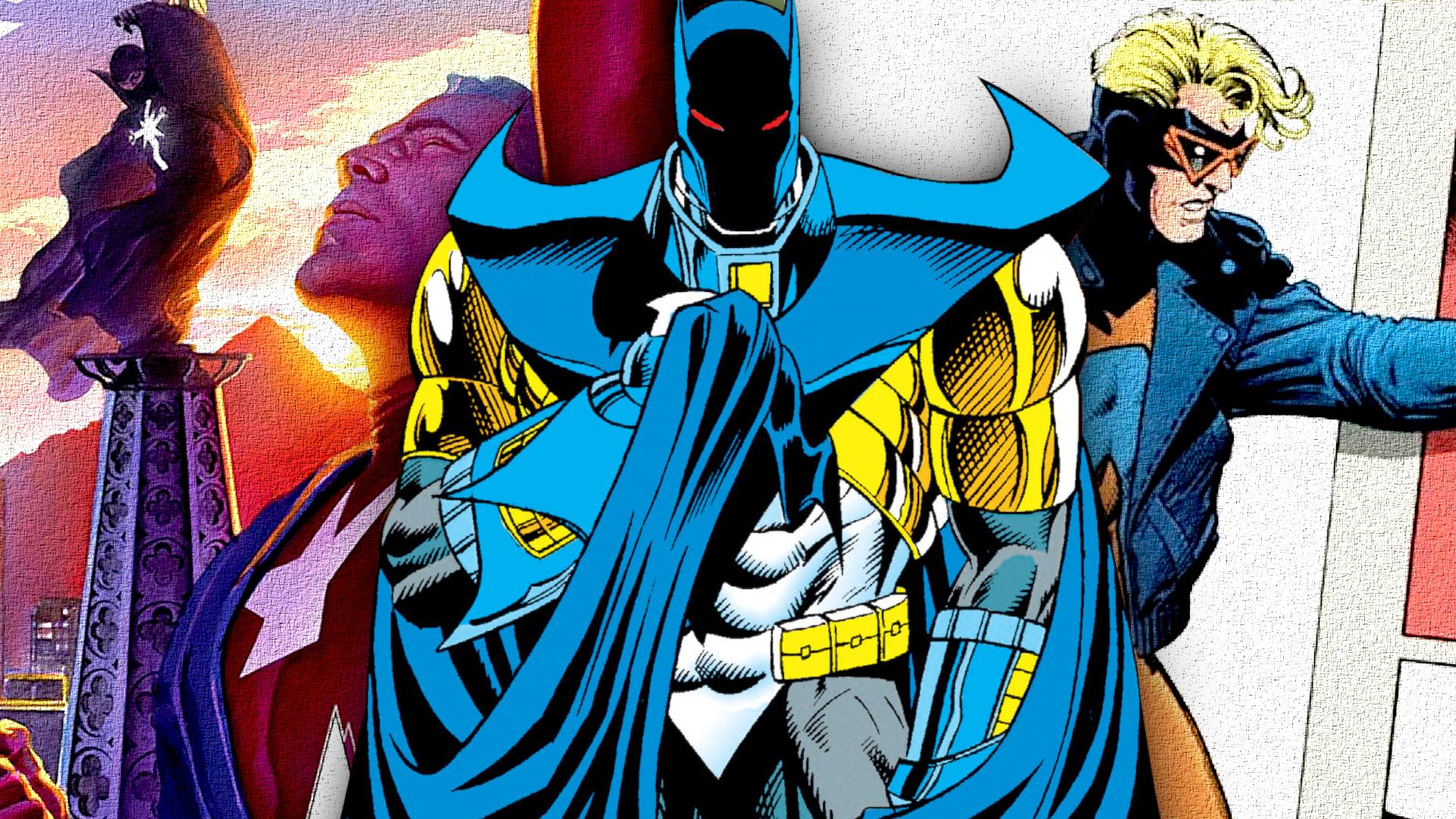
The 1990s were an incredible era of comic books, with remarkable heights in the early decade followed by notable slumping later on, despite soon being propped up by hit adaptations like 1998's Blade. It was arguably the grittiest decade of all for the medium, with rising antiheroes, violent visuals, and subversive storytelling that'd soon become iconic such as The Death of Superman or Knightfall ushering in a new era for iconic IPs, all while major publishers like Valiant continued to emerge and Image Comics was born. Yet, despite much of the calls for realism and grittiness, one particular issue, the final issue of Grant Morrison's Animal Man released in June 1990.
Animal Man #26 continues to be a mind-bending combined farewell and watershed moment to commemorate the end of Morrison's run on the character, and the revelations about why everything has happened to Bernhard "Buddy" Baker both in and out of his superhero persona. It stands as a shining example of breaking the fourth wall, with Morrison featuring as "The Writer" who put Animal Man through his trials and tribulations, ultimately explaining his predicament, how a world can operate without superheroes, and whether fiction is entirely divorced from reality. It's also the finest issue to kick off the 1990s ahead of what'd become DC Comics' Vertigo imprint, living in fans' memories now over 36 years later.
The 1990s Didn't Take Long For All-Timer Comic Issues To Drop
While Animal Man #26 is selected for examination today, it's firstly not intended as a dig or slight against any other of the decade's numerous incredible stories. Acclaimed stories started with a bang such as Image's Astro City featuring cover art by Alex Ross. Despite Neil Gaiman's severely damaged reputation in the present, The Sandman garnered particular acclaim across much of the '90s, with issue #50 being a strong example. X-Men #1 from 1991 featuring Jim Lee as its artist remains the best-selling comic book of all time, and Legends of the Dark Knight held plenty of fantastic Batman stories. But Animal Man's conclusion, at the end of multiple years of thrilling tales and poignant twists, offers a sense of closure that can't be matched.
The aptly-titled issue "Deus Ex Machina" brings a complicated twist to the usual sense of closure, as Morrison confirms in the issue that Buddy would soon have another writer dictating his actions. But even then, Morrison's self-described demiurge persona assures Buddy that, despite being a character and thus susceptible to the potentially cruel, exploitative whims of a creator to manufacture tension, he's able to live in this fictional realm, likely to outlive Morrison and potentially many others.
Reexamining the rest of Animal Man's run from issues #1-26 recontextualizes the suffering of Buddy Baker and those surrounding him. It's this delivery which sends many readers to think long and hard after turning the final page, especially Morrison's "Foxy" denouement following Buddy's family being inexplicably given back to him, where Morrison shows mercy to a bereaved soul desperate for comfort. It reminds readers how dark it can be to create a character to essentially absorb their cruelty as a proxy, and the emotional gravitas of a simple light flashing in the distance, and it's a moment that simply can't be matched in any other comic from the era.
Animal Man Succeeds Specifically By Defying The Trends Of Its Era

Morrison directly mentions the calls for realism in comic books as a big driving factor for Buddy's numerous losses, from being dismembered to literally and figuratively being deconstructed and reassembled. The art of Animal Man is intentionally straightforward, resembling a classic comic book feel despite the intensely trippy storytelling consistently threatening its air of simple superhero innocence. It addresses how, with fictional characters like Buddy Baker being fully realized in a fictional realm, their suffering, and that of others like a suicidal supervillain and a disturbingly-rendered Wile E. Coyote satire, all while Morrison delivers admittedly heavy-handed messaging about animal rights and environmentalism.
The creative team for Animal Man #26 was the following:
- Writer: Grant Morrison
- Penciler: Chaz Truog
- Inker: Mark Farmer
- Colorist: Tatjana Wood
- Letterer: John Costanza
- Editors: Karen Berger, Art Young
Buddy Baker was always an interesting choice of character yet oddly perfect for the deconstruction of comic books and general graphic fiction, and Morrison knew this. The story plainly featured incredibly dark imagery and disturbing scenes throughout its run, all while Animal Man's empathetic personality and earnest dedication to doing good lead him down his journey, in parts exposing a dark world to him that only causes him, in his eyes, to double down on being a force for positive change. The biggest incident that briefly shattered this resolve was instead what sent him on a path to meet the writer dictating his fate, as trauma threatened to destroy Buddy's remaining sense of self.
Massive legacy superheroes like Martian Manhunter and Superman looked ostensibly their usual chiseled, iconic selves and carried on in many cases, while Animal Man was left dealing with the metafictional baggage going on around him. It's strangely surreal to see Superman briefly stop on a busy day of superheroics to chat Buddy up, and to see the Martian Manhunter putting the scare into some bullies taunting Buddy's son, Cliff. But it all serves to heighten the surreal aspects of Morrison's postmodern journey in the end.
As a result, Animal Man's 1988-1990 run is every bit as cerebral as the years of comics surrounding it would be known for, while still maintaining a punchy commentary and an enormously provocative legacy. It's a stunning series that should be considered a must-read for mature comic book fans seeking something challenging and subversive, and a shining example of much of the greatness that'd follow throughout the 1990s through the present.
KioskNews shows a cleaned-up reading view extracted from the publisher’s page — the original always lives on their site, not ours.