Indonesia’s central bank insists it is independent. Investors want proof
Indonesia has spent months trying to persuade investors that its economy is on the right course. A weakening rupiah, mounting budgetary pressures and a series of contentious policy decisions have made that task harder.
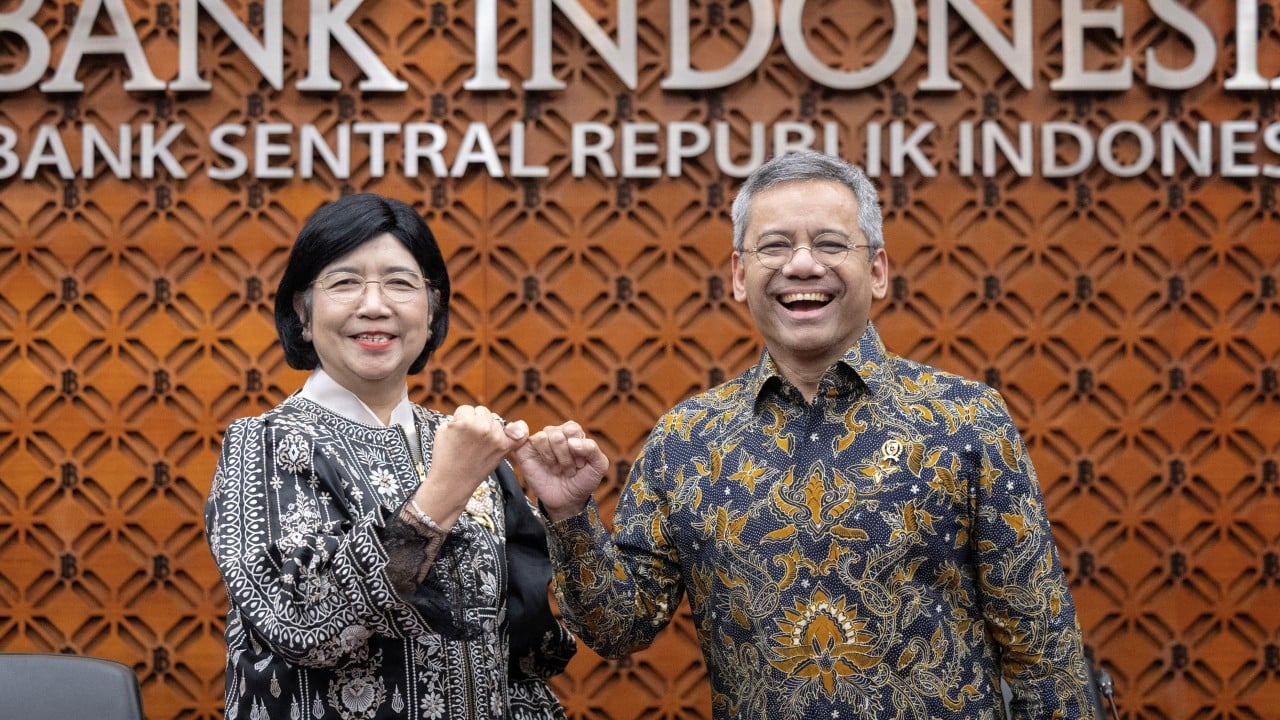
Doubts about the management of Southeast Asia’s largest economy have now coalesced around its central bank, whose independence has come under intense scrutiny recently as President Prabowo Subianto seeks to steer economic policy.
The appointment of Destry Damayanti – initially as acting governor of Bank Indonesia (BI) in late July before her formal appointment last month – was meant to reassure markets. But analysts say that confidence will only return if economic policymaking becomes more credible and decisions affecting the country’s financial health become more transparent.
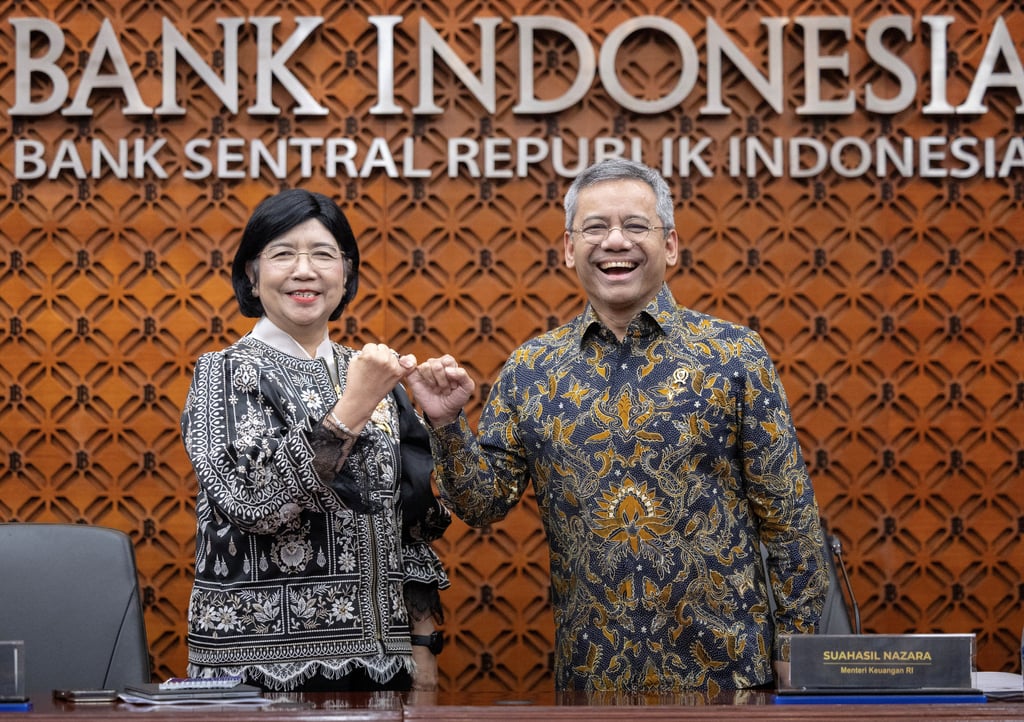
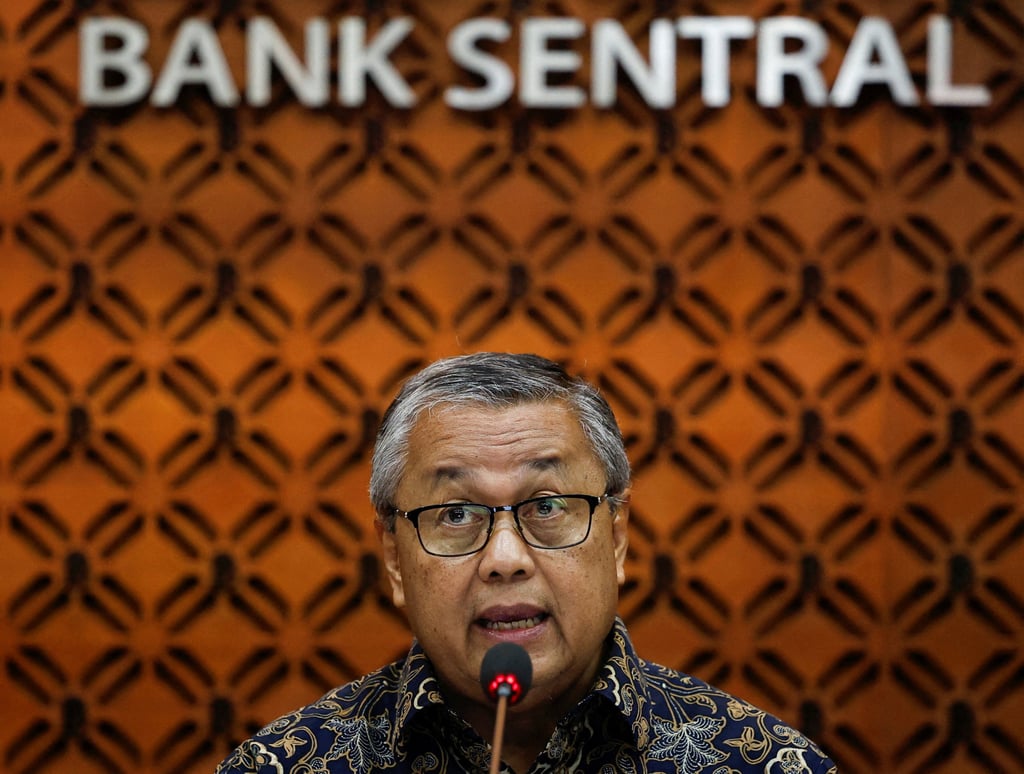
In an interview with Reuters on Monday, Destry insisted the central bank had “full autonomy” to set interest rates while maintaining “synergy” with the government.
“When we’re about to make a policy decision – whether to raise or lower interest rates or to use other incentives – we have full authority to make that decision,” she said.
Her assurances follow a turbulent few months for Indonesia’s economy. The rupiah hit record lows this year, with major credit rating agencies Moody’s and Fitch cutting their outlooks on the country’s sovereign rating from stable to negative.
Conflict in the Middle East has only compounded the challenges. Despite the soaring cost of oil globally, Jakarta has held subsidised fuel prices steady. State institutions have since had their budgets cut to pay for energy imports and Prabowo’s flagship welfare programmes.
On Friday, fears of foreign capital flight were further stoked after index compiler MSCI said in a statement that Indonesia no longer merited emerging-market status, citing “significant concerns” about market dysfunction, “including continued suspected coordinated trading behaviour and lack of evidence of meaningful enforcement”.
The US firm said it was now proposing a downgrade to “standalone” status – worse than previously flagged – which would exclude Indonesian stocks from global indexes tracked by passive investment funds managing billions of US dollars. Indonesian stocks, already the world’s worst performers this year, plunged 11 per cent to multi-year lows on Friday in response – the steepest one-day drop since 1998.
Other developments that have unsettled markets in recent months include a new policy to centralise commodity exports, the abrupt dismissal of former finance minister Purbaya Yudhi Sadewa and his replacement by Suahasil Nazara, and the appointment of Prabowo’s nephew, Thomas Djiwandono, as a deputy governor of the central bank.
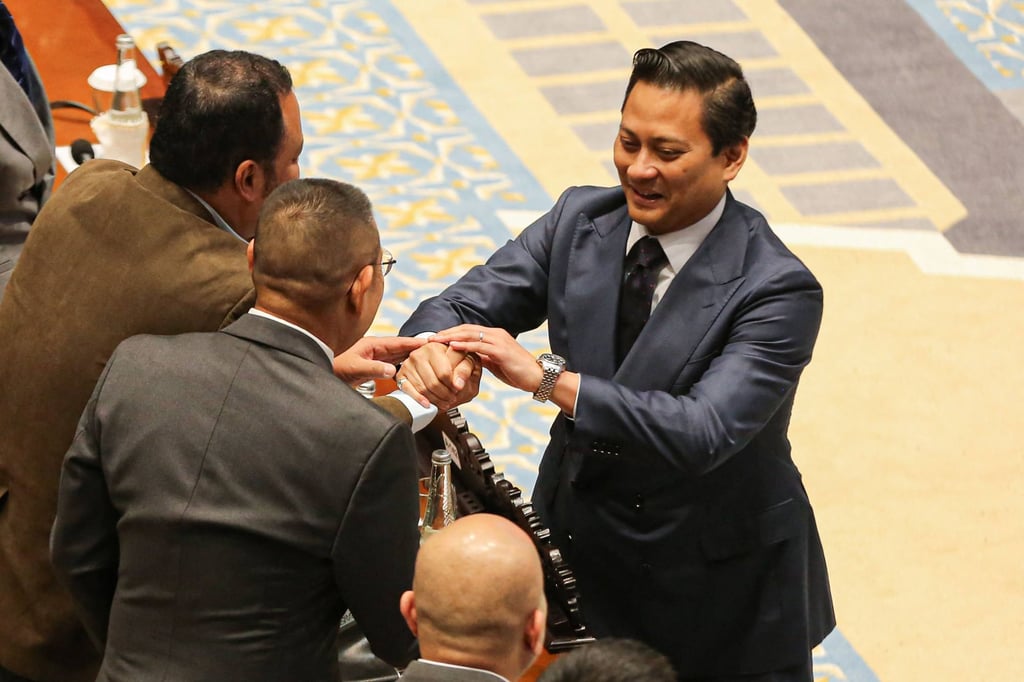
In June, parliament passed a revision to the financial sector law that now requires Bank Indonesia to support economic growth and job creation, in addition to its duties managing money supply, keeping inflation under control, issuing and circulating legal tender, regulating national payment systems and acting as a lender of last resort.
Asked how much the government was involved in monetary policy, Destry said officials had been invited to attend part of the bank’s monthly policy review, adding that she herself had attended meetings with Prabowo.
“In Indonesia, the president is the head of government and the head of state. BI is under the state of Indonesia, so automatically, if the president wants to know about developments, I think it’s normal,” she told Reuters.
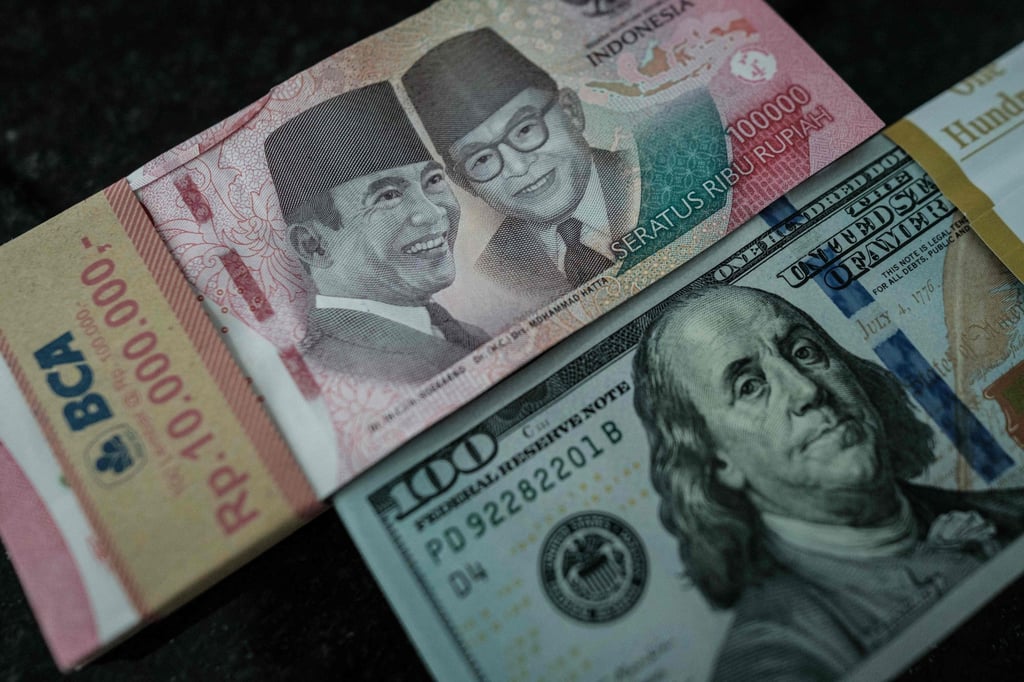
The central bank held its benchmark rate at 5.75 per cent at its latest policy meeting in September, after raising it by a cumulative 100 basis points between May and June to stabilise and support the rupiah, which was trading at a near-record low of 18,070 per US dollar as of Friday afternoon.
Proof over promises
Economists who spoke to This Week in Asia agreed that the new governor’s message was welcome, but said investors would need to see Bank Indonesia demonstrate its independence.
“The governor’s reassurance is a constructive and necessary signal, but it is unlikely to restore investor confidence on its own,” said Josua Pardede, chief economist at Permata Bank.
“Restoring confidence requires a broader and sustained improvement in Indonesia’s economic policy credibility, not merely reassurance from the central bank.”
While Bank Indonesia “remains legally independent”, Pardede said the unexpected resignation of its previous governor and changes to its responsibilities had stoked speculation that its “institutional independence has weakened”.
Destry’s predecessor, Perry Warjiyo, resigned in July citing personal reasons.
Yusuf Rendy Manilet, an economist at the Centre of Reform on Economics Indonesia, called for government-central bank synergy to rest on “clear data”, saying that the bank should, for example, consult the government’s employment figures before setting the benchmark interest rate.
“When that happens, I think BI can be interpreted as still being relatively independent in implementing its policies,” he said.
Yusuf also wanted the bank to explain its purchases of government bonds. According to Reuters, Bank Indonesia bought nearly 300 trillion rupiah (US$16.7 billion) of them between January and September 30 to support economic growth.
“BI must convince investors that its bond purchasing policy has strong justification as a monetary policy and not because it is an extension of the government,” he said.
Deniey Purwanto, a senior researcher at the Institute for Development of Economics and Finance in Jakarta, said the central bank would be fully autonomous only when it could set rates “without considering its impact on government debt costs”.
Downgrade danger
Indonesia ran a deficit of 1.24 per cent of gross domestic product in the first nine months of this year, with the full-year target of 2.85 per cent coming in just under the statutory ceiling of 3 per cent.
Analysts like Pardede say government spending is outpacing tax revenue, citing investor concerns that include the expansion of state spending commitments despite a “relatively narrow tax base”, rising energy subsidies, repeated changes among senior economic officials and “uncertainty surrounding the roles of state-controlled investment and commodity institutions”.
MSCI’s Friday announcement about Indonesia’s market downgrade surprised officials, coming a month ahead of a scheduled review. In January, the index provider had warned about “ongoing opacity in shareholding structures” as well as co-ordinated trading behaviour that affected price information. It suggested a possible downgrade to frontier-market status at the time.
Standalone status is reserved for markets that do not meet even this criteria. Argentina, Lebanon and Palestine are among the markets with the designation, with none in Asia, according to Bloomberg.
Uncertainty surrounding the roles of state-controlled investment and commodity institutions
Meanwhile, higher oil prices could weigh further on both the rupiah and Indonesia’s finances. International benchmark Brent crude has been stubbornly trading above US$100 in recent days following fresh attacks on Saudi Arabia by the Iran-backed Houthis in Yemen, threatening oil supplies and raising fears of a widening Middle East conflict.
Yusuf expects little relief for Indonesia’s currency in the near term, forecasting that the rupiah will remain “quite volatile” against the US dollar through to the end of the year.
Pardede’s prescription for Indonesia’s US$1.3 trillion economy was directed at the government rather than the central bank.
“The government should prioritise disciplined budget execution, transparent public investment governance, regulatory certainty and policies that attract private capital rather than relying excessively on the state to drive growth,” he said.
KioskNews shows a cleaned-up reading view extracted from the publisher’s page — the original always lives on their site, not ours.