Hate paper straws? Asia’s new alternatives are another eco trap
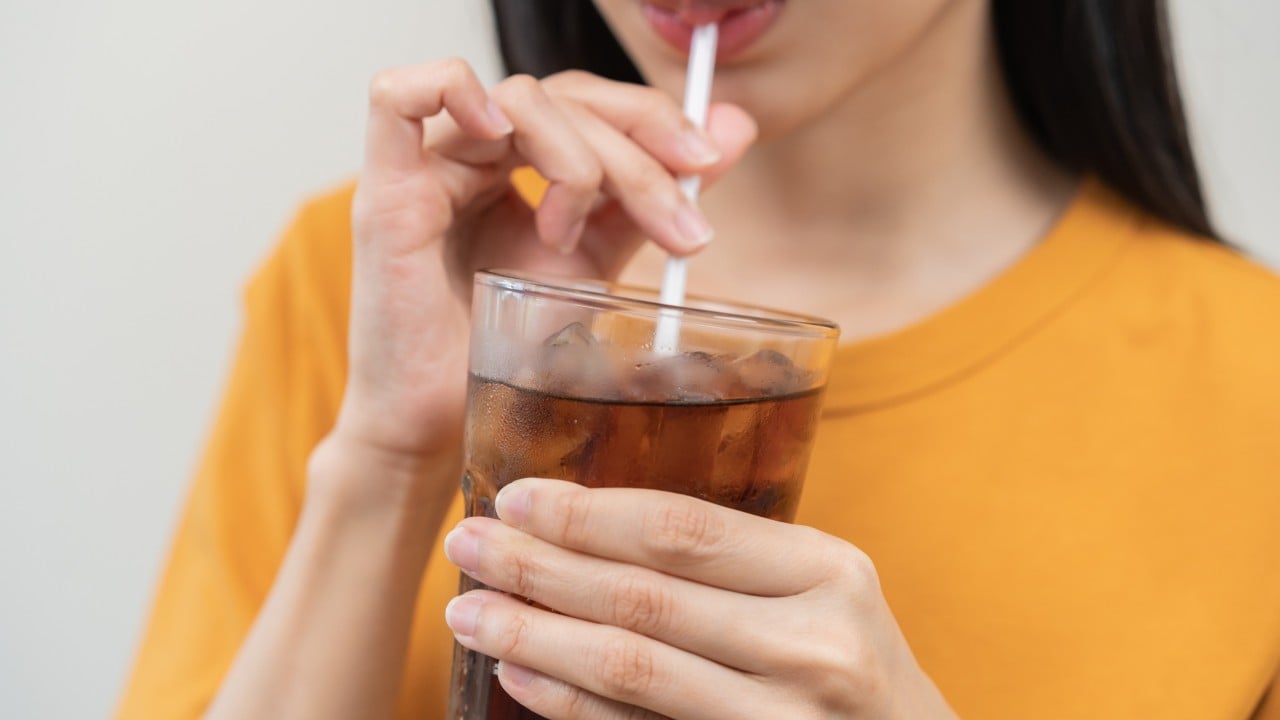
For Singaporean flight attendant Chloe Tan Zi Ling, 35, the problem with paper straws is their impracticality.
“It softens before we can finish the drink, so we have to gulp it down without a straw,” she said, adding that reusable metal alternatives left an unpleasant taste in her mouth.
Her frustration reflects a wider debate over Asia’s shift away from plastic straws, with a recently released South Korean study finding that conventional plastic straws performed better than paper and other substitutes across 10 of 16 environmental impact categories – challenging the assumption that paper is necessarily the greener choice.
The findings have renewed scrutiny of corporate sustainability commitments, with experts warning that companies are adopting plastic alternatives without showing that the changes actually reduce environmental harm across a product’s entire life cycle.
According to the study commissioned by South Korea’s environment ministry, single-use paper straws have 6.33 times the carcinogenic impact of conventional plastic straws across their full life cycle, from production emissions to disposal.
Paper straws were also found to have 2.04 times the acidification impact, a metric assessing emissions’ potential to increase environmental acidity and harm ecosystems.
Researchers evaluated four types of straws: conventional plastic, paper, biodegradable plastic and bio-based polythene. The life-cycle assessment covered 16 categories, including greenhouse gas emissions, human toxicity, particulate matter and acidification.
It found that biodegradable plastic straws carried 3.34 times the carcinogenic risk and 1.98 times the acidification impact of conventional plastic straws.
The report was made public by Kim Wi-sang, a lawmaker from the opposition People Power Party, the Korea Herald reported.
Chain reactions
Major food and drink chains across Asia have already started moving away from paper straws.
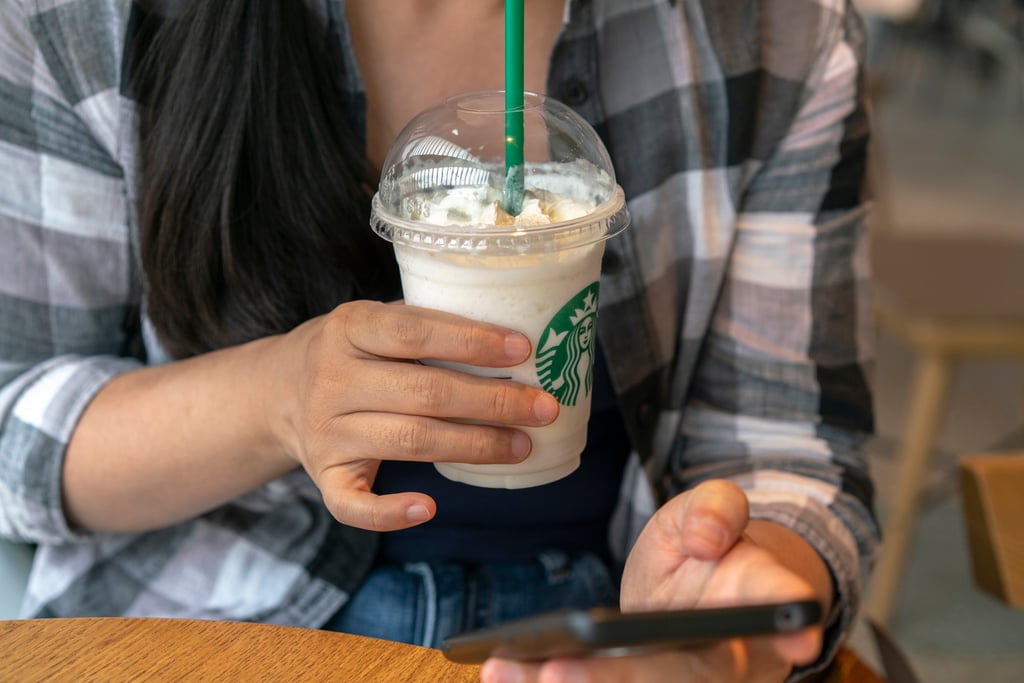
Starbucks Japan began replacing paper straws with biodegradable alternatives in January 2025, five years after it had introduced paper straws as part of its effort to eliminate petroleum-derived plastics.
“Our new straw is made from an innovative, more sustainable material derived entirely from biomass and designed to biodegrade, including in seawater,” Starbucks Japan said in a statement. “Customers have responded positively to its familiar drinking experience.”
More recently, Tully’s Coffee Japan announced in May that it was expanding the use of straws containing biodegradable additives across its nationwide chains of 850 outlets.
The company said it began introducing the new “P-Life” straws in April, following trials at about 45 outlets with the additive intended to make plastic straws more biodegradable.
However, experts say businesses are often driven by regulatory requirements and marketing trends rather than scientific assessments of the environmental consequences of replacing plastic.
“While the reduction in plastic use is commendable, the absence of life-cycle assessments keeps us in the dark about other environmental burdens that result from the shift from plastic to paper,” said Jhud Mikhail Aberilla, a professor of sustainable production and responsible consumption at the University of the Philippines Diliman.
“Most corporate decisions to adopt paper straws seem to be based on regulation or government intervention and marketing trends rather than sufficient scientific evidence.”
Aberilla cautioned that the South Korean study’s findings could not automatically be applied to other parts of Asia, where energy production, transport and waste disposal systems differ.
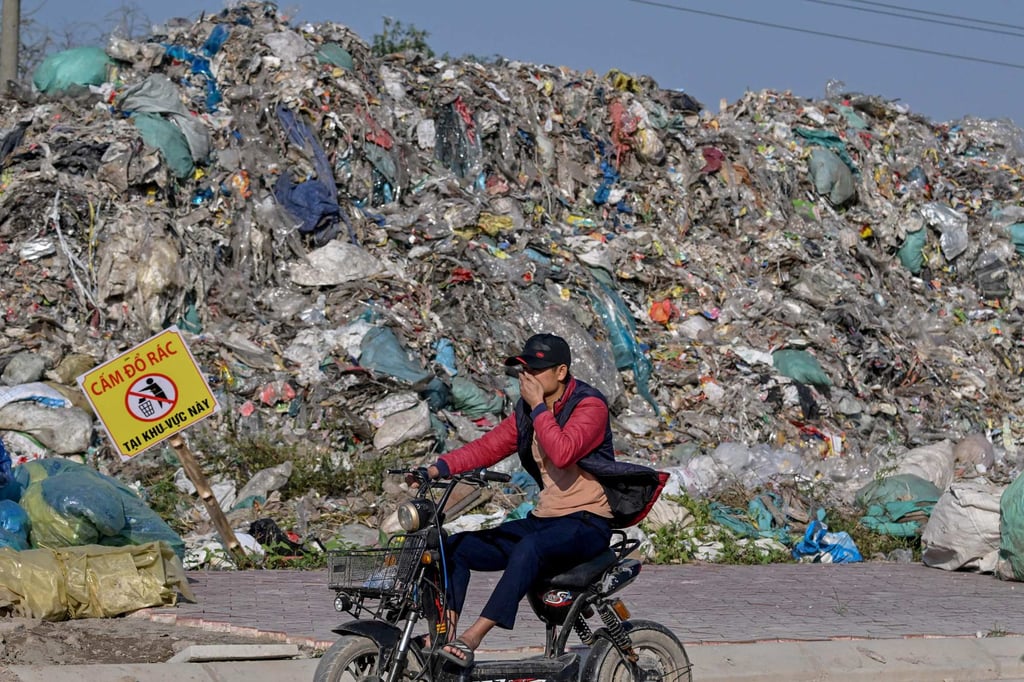
Plastic waste remains a major environmental challenge across the region.
Other scientists said replacing plastic straws with paper alternatives did not necessarily solve the environmental problems associated with disposable products.
“Paper straws may be a better option than plastic, but they shift the impact from plastics to paper without really solving the issue,” said Agamuthu Pariatamby, a professor of environmental science at Sunway University’s Jeffrey Sachs Centre on Sustainable Development.
Paper production required trees to be cut down, he said, while recycling paper also used substantial amounts of energy and water.
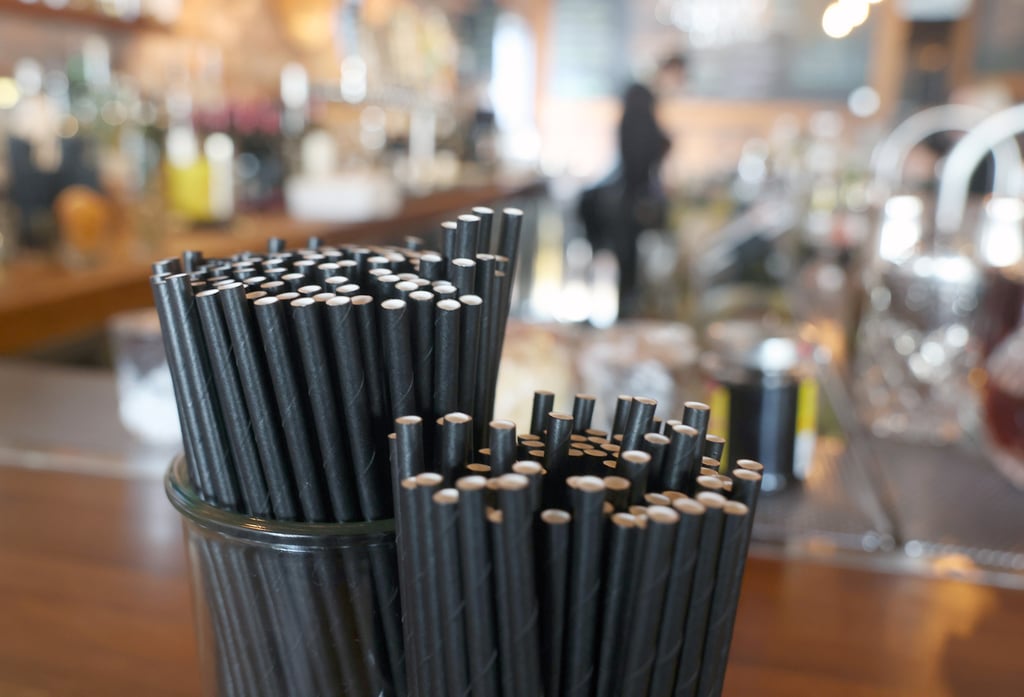
For smaller businesses, switching to biodegradable straws – which are by their very nature perishable – has proved costly.
Frankie Foo Keat Choon, director of Mala Bistronome in Kuala Lumpur, said his restaurant had to fork over 50 per cent more for biodegradable straws than conventional plastic ones.
“Cost-wise, there’s a big difference,” he said, adding that the biodegradable straws were more brittle and only had a shelf life of about a year.
Foo said the decision to switch had been driven by environmental considerations and government policy.
Plastic straws are officially banned in certain regions of Malaysia, such as the federal territories of Kuala Lumpur, Putrajaya and Labuan, as part of food and drink operators’ licensing conditions. Selangor and Penang restrict or prohibit single-use plastic straws under state green initiatives.
Despite the shift, sustainability experts say replacing one disposable material with another does not amount to meaningful environmental progress.
“Sustainability is not a material label. Replacing plastic with paper does not automatically make a product more sustainable,” said Renard Siew, group head of corporate sustainability at Malaysian energy infrastructure company Yinson.
Siew said businesses often responded to consumer sentiment rather than assessing the environmental consequences of their decisions, making the switch as much a public relations exercise as anything.
He called for businesses to prioritise reducing consumption and reusing materials before considering alternatives to plastic.
“Sustainability is not about choosing the lesser evil between two materials,” Siew said. “It is about redesigning the system so that we consume fewer resources and generate less waste in the first place.”
KioskNews shows a cleaned-up reading view extracted from the publisher’s page — the original always lives on their site, not ours.