How Kenya’s sacred Mrima Hill became new front in US-China minerals rivalry
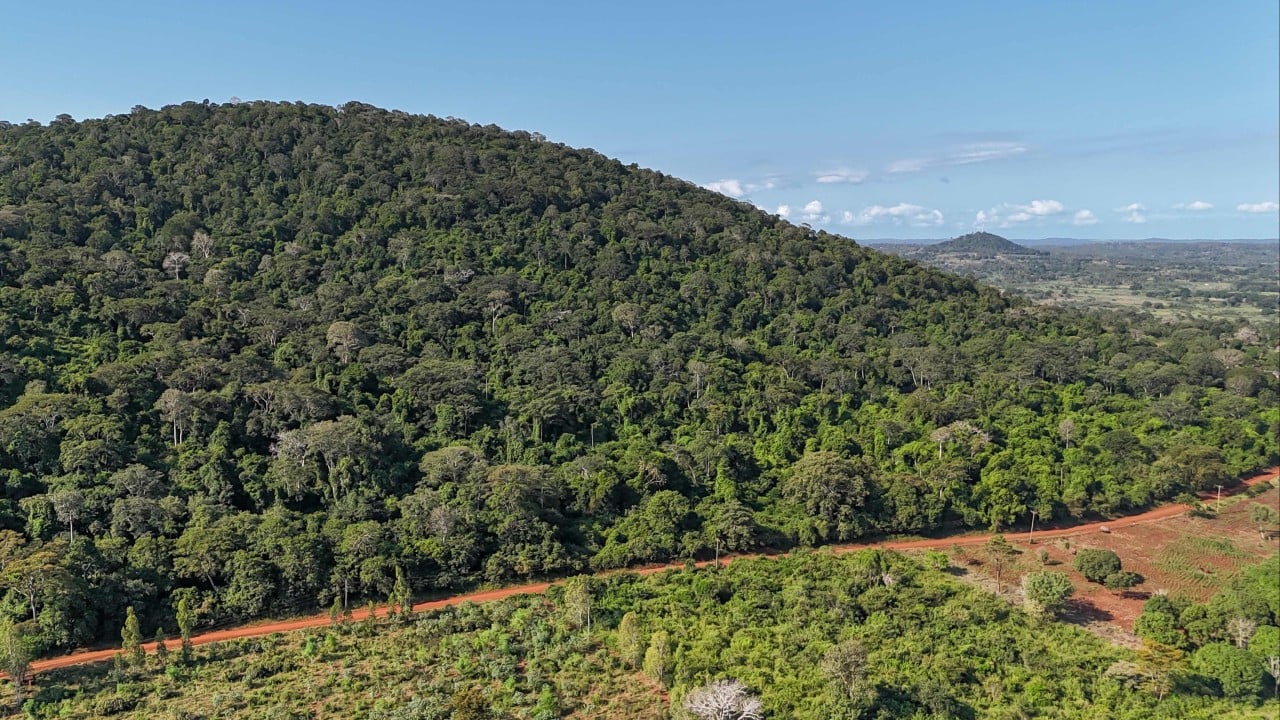
American and Chinese bidders are vying for rights to develop a sacred Kenyan forest rich in rare earths and niobium
4-MIN READ4-MIN
Mrima Hill, a sacred site about 65km (40 miles) southwest of Mombasa on Kenya’s Indian Ocean coast, is emerging as a new front in the US-China rivalry for critical minerals.
US-led and Chinese bidders are competing for rights to develop the site, which is rich in rare earths and niobium, a metal used to make steel stronger and lighter.
American officials have offered to support Kenya’s development of its domestic critical minerals processing industry as Washington seeks to challenge Beijing’s dominance of global rare earth refining.
US Secretary of State Marco Rubio met Kenyan President William Ruto on the sidelines of the UN General Assembly in New York last week. They discussed how Kenya’s critical minerals resources could “position the country as a key player in the sector while presenting opportunities for US firms to provide value addition”.
KioskNews shows a cleaned-up reading view extracted from the publisher’s page — the original always lives on their site, not ours.