10 Crime Shows That Break Every Formula and Do It Brilliantly

Ryan Heffernan is a Senior Writer at Collider. Storytelling has been one of his interests since an early age, with his appreciation for film and television becoming a particular interest of his during his teenage years.
This passion saw Ryan graduate from the University of Canberra in 2020 with an Honours Degree in Film Production. In the years since, he has found freelance work as a videographer and editor in the Canberra region while also becoming entrenched in the city's film-making community.
In addition to cinema and writing, Ryan's other major interest is sport, with him having a particular love for Australian Rules football, Formula 1, and cricket. He also has casual interests in reading, gaming, and history.
Sign in to your Collider account
There is no doubt that crime television has come a long way from the episodic police procedural dramas of yesteryear, with everything from gangland thrillers to harrowing, slow-burn murder mysteries filling the landscape of the genre in the modern day. Having said that, crime TV still has set formulas and styles that repeat themselves, often because they allow for rewarding and exciting storytelling that captures the audience’s interest.
However, it is always exhilarating to see a television series try something new and original, to enjoy a bold departure from the norm that challenges all that has come before it and even rewrites the rules of its specific genre and style. These crime series excel at doing precisely this. Not only do they defy the status quo, but they also deliver some of the best and most iconic viewing experiences the small-screen has to offer, and every one of them is quintessential for all lovers of crime television at its most gripping and innovative.
10 'The Wire' (2002–2008)
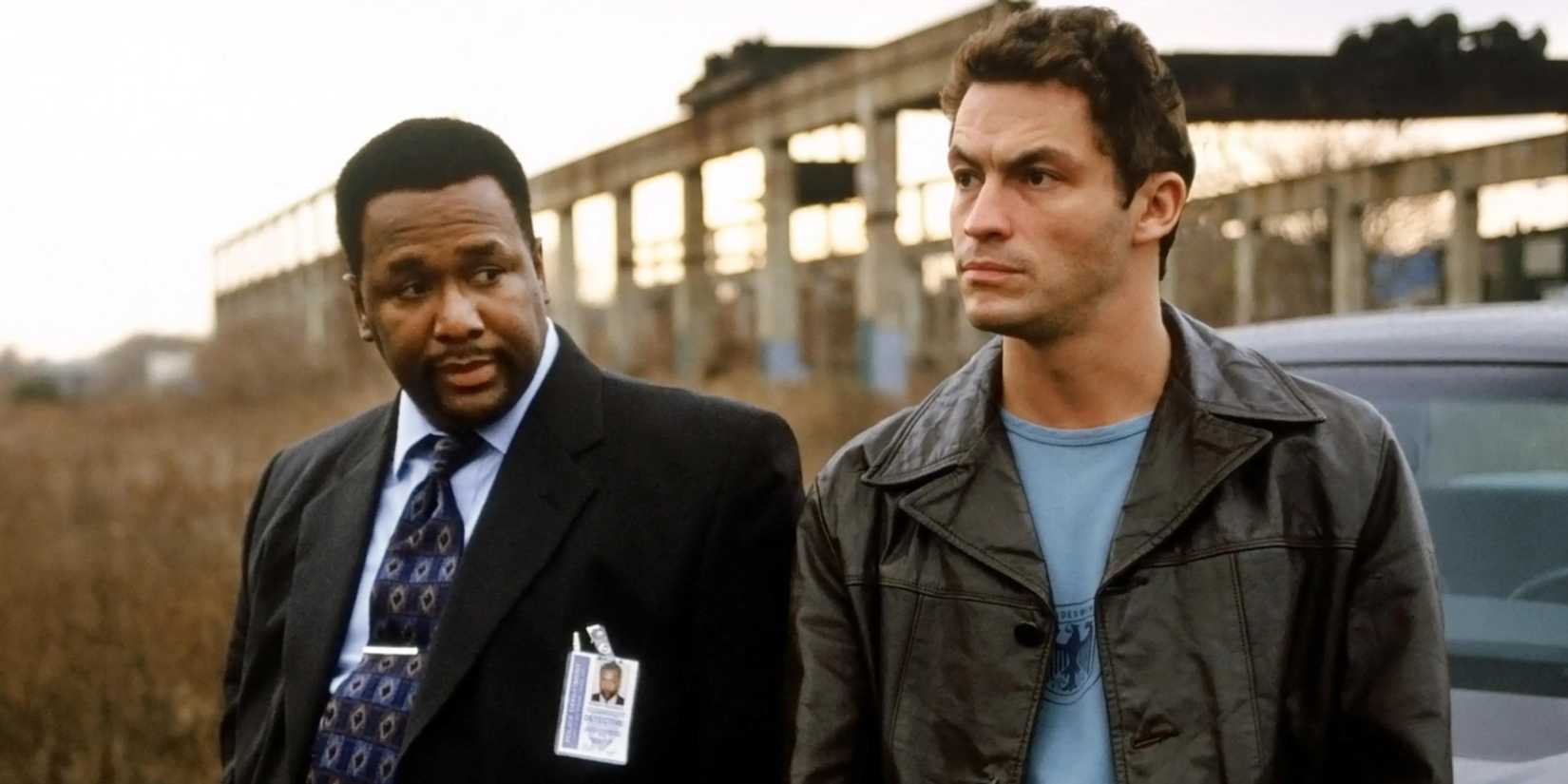
Whereas many crime shows operate with cleanliness, concentration, and confinement, The Wire delivers a sweeping epic, one that prioritizes incisive examinations of institutional failures and the hierarchy of the drug trade over individual character arcs. Set in Baltimore, the series expands drastically over the course of its five-season tenure to depict the interconnected criminal and legal network of an entire city while analyzing, in stunning detail, the systemic faults in everything from the police department and city hall to integral institutions like public education and the media.
Not only does the series’ sprawling endeavor conjure a sense of scope that is unique in crime television, but it also thrives through its commitment to visceral realism and the narrative drive to eschew notions of good and evil in favor of complex moral ambiguity. It results in a perfect crime drama, a character study of an American city’s social infrastructure the likes of which audiences had never seen before, and haven’t seen since.
9 'The Sinner' (2017–2021)

The Sinner unfurls with all the chaos and intrigue of a typical mystery series, but it makes one very clear distinction: there is never any doubt as to who the culprits are. The first three seasons are particularly pointed in this regard as they display who the responsible party is in the opening episode, with the rest of the season following the traumatized Detective Harry Ambrose (Bill Pullman) as he works the case to uncover why a seemingly normal person would be motivated to commit such violent crimes.
Through Ambrose’s investigations, The Sinner finds more ways to stray away from the traditional crime TV formula, from the heavy investment in examining the suspect with profound empathy and an eye towards issues of trauma to the poignant endings that replace the clean closure of justice being served with a sense of tragedy and unfairness. Also employing a slower, more methodical tempo than many other crime series do, The Sinner is a striking break away from genre tropes that exudes agonizing psychological suspense throughout every episode of its four-season run.
8 'The Shield' (2002–2008)

While previous police shows like Hill Street Blues and Homicide: A Life on the Street had dabbled with the issue of police corruption before, no series had explored it with the same ferocity and unflinching detail as The Shield. An underrated gem when it aired, the FX series has gained recognition over the years for its conviction and depth as it follows the Strike Team, a police unit under the command of Vic Mackey (Michael Chiklis) that resorts to unlawful methods not only to combat street crime, but to profit from it as well.
From its pilot episode, The Shield shatters all preconceived notions of police drama TV. It revels in the complex morality and heinous actions of its central characters, blurring the line between cop and criminal while deftly exploring action and consequence through its relentlessly intense seven-season arc. Complimented by its raw, gritty aesthetic and its bold conclusion that questions notions of justice, The Shield shines as one of the most groundbreaking and timeless crime series of all time.
7 'The Fall' (2013–2016)

Another underrated gem of 2010s television, The Fall flips the serial killer mystery formula on its head from the outset, blatantly revealing who the murderer is from the first episode and following his story and the investigating officer’s concurrently. Gillian Anderson stars as Superintendent Stella Gibson, who faces complications both inside and outside the Metropolitan Police Service while striving to catch an at-large serial killer targeting professional women in Belfast. Paul Spector (Jamie Dornan) is the culprit, a bereavement counselor and apparent loving family man who stalks his victims by night.
The criss-crossing structure of The Fall may be bereft of mystery and suspense, but it does cultivate a sense of urgency and unyielding tension that is irresistible. Furthermore, it also nullifies the mythic, monstrous wonder of the killer, refusing to make Spector an enigmatic, unknown villain but rather a sadistic and vile evil hiding in plain sight. Complimented by its emphasis on psychological thrills and dissecting the parallels between Gibson and Spector, The Fall stands as one of the more unique and trope-defying crime series television has seen.
6 'Columbo' (1968–1978; 1989–2003)
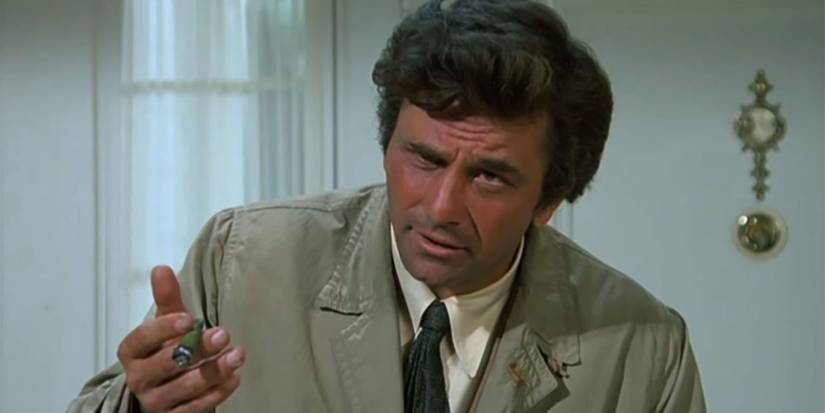
The pioneer of inverted detective plotting in television, Columbo sees each episode open with the crime being depicted, revealing who the perpetrator is, how they carried out the crime, and the motivations behind their actions from the opening minutes. It then falls to the cunning and perceptive homicide detective Lieutenant Columbo (Peter Falk) to piece together what happened before questioning the suspect and poking holes in their alibi with astute observations that see the truth spill out.
It also breaks the mold in Columbo’s character design, with the expert detective presented as being a bumbling and easily distracted man whose humble lifestyle and rumpled appearance are a far cry from the image of police heroism many series both before and since have aspired to. The genius of Columbo is how it uses his disheveled look as a weapon, allowing the perpetrators—who are almost always wealthy elites holding a belief in their own intellectual superiority—to underestimate him and lower their guard. It was a rewarding, thrilling, and triumphant turn for crime television that offered early proof that the genre could expand well beyond its basic tropes.
Collider Exclusive · Villain Personality Quiz Which Criminal Mastermind Would Be Your Nemesis? Lecter · Joker · Moriarty · Chigurh
Four of the finest criminal minds ever put on screen. One of them would look at you and see something worth their time. Eight questions decide which one comes for you, why they picked you, and what they would want when they arrived.
🍷Lecter
🃏Joker
♟️Moriarty
🪙Chigurh
01
What would a criminal mastermind notice about you first? Great villains choose their opponents carefully. Something about you got their attention.
02
How do they make first contact? The introduction tells you everything about what is coming next.
03
What do you actually believe about right and wrong? Every nemesis is really an argument about the thing you believe most.
04
What finally gets under your skin? Everybody has a pressure point. Finding yours is the whole plan.
05
They have made their move. How do you fight back? This is the part of the film where the audience finds out who you are.
06
What would they use against you? A good villain never brings a weapon you have not already handed them.
07
What do they actually want from you? The money is never the point. Something else always is.
08
How does it end between the two of you? Eight questions in, this is the one that decides who comes for you.
The Case File Is Complete Your Nemesis Is…
Four criminal masterminds. One of them was always going to be yours. Here is who comes for you, why they picked you out of everyone available, and what they want from the encounter.
Hannibal Lecter
Your nemesis does not want to beat you. He wants to know you completely, and he is patient enough to wait for it. The frightening part is how good the conversation is.
- Lecter is the most dangerous kind of opponent: the one who finds you interesting. He never raises his voice, because he has never needed to.
- You keep a great deal to yourself and you are careful about what you show. That reserve is exactly the door he would knock on.
- The films understood something other thrillers missed. The horror is not the violence. It is being perfectly understood by the wrong person.
- He would be unfailingly polite about all of it. That is the worst part.
The Joker
Your nemesis is not after money, territory or revenge. He is after a demonstration, and you are the person he has chosen to prove his point on.
- The Joker only picks opponents who believe in something. Your decency is not a defence against him. It is the entire reason he showed up.
- He has no plan you can predict and nothing you can take away, which removes every tool you would normally reach for.
- His whole argument is that you are one bad day away from being him, and you would spend the rest of your life proving him wrong.
- He would call it a magic trick. You would call it the worst night of your life.
Moriarty
Your nemesis respects you, which sounds flattering until you work out what it means. He chose you because nobody else was worth his time.
- Moriarty is the original criminal mastermind, the template every later one borrows from: a mind the equal of the hero's, pointed the wrong way.
- You enjoy being the cleverest person in the room. He is counting on exactly that, and he has already built the room.
- This is the rare nemesis who would be genuinely disappointed if you lost badly. He needs the game to be worth playing.
- It ends the way these things always end. Two people, one problem, and only one way down.
Anton Chigurh
Your nemesis has no personal interest in you whatsoever, and that is precisely what makes him unsurvivable. You are not a rival. You are a stop on the way.
- Chigurh does not negotiate, gloat or explain. He arrives, he asks one question, and the answer was decided long before you opened your mouth.
- You trust yourself to handle things. He is the one problem in the world that has no interest in how capable you are.
- No Country for Old Men rewrote the screen villain by removing the thing audiences quietly rely on: the sense that talking might work.
- Call it. He will wait.
5 'Mindhunter' (2017–2019)
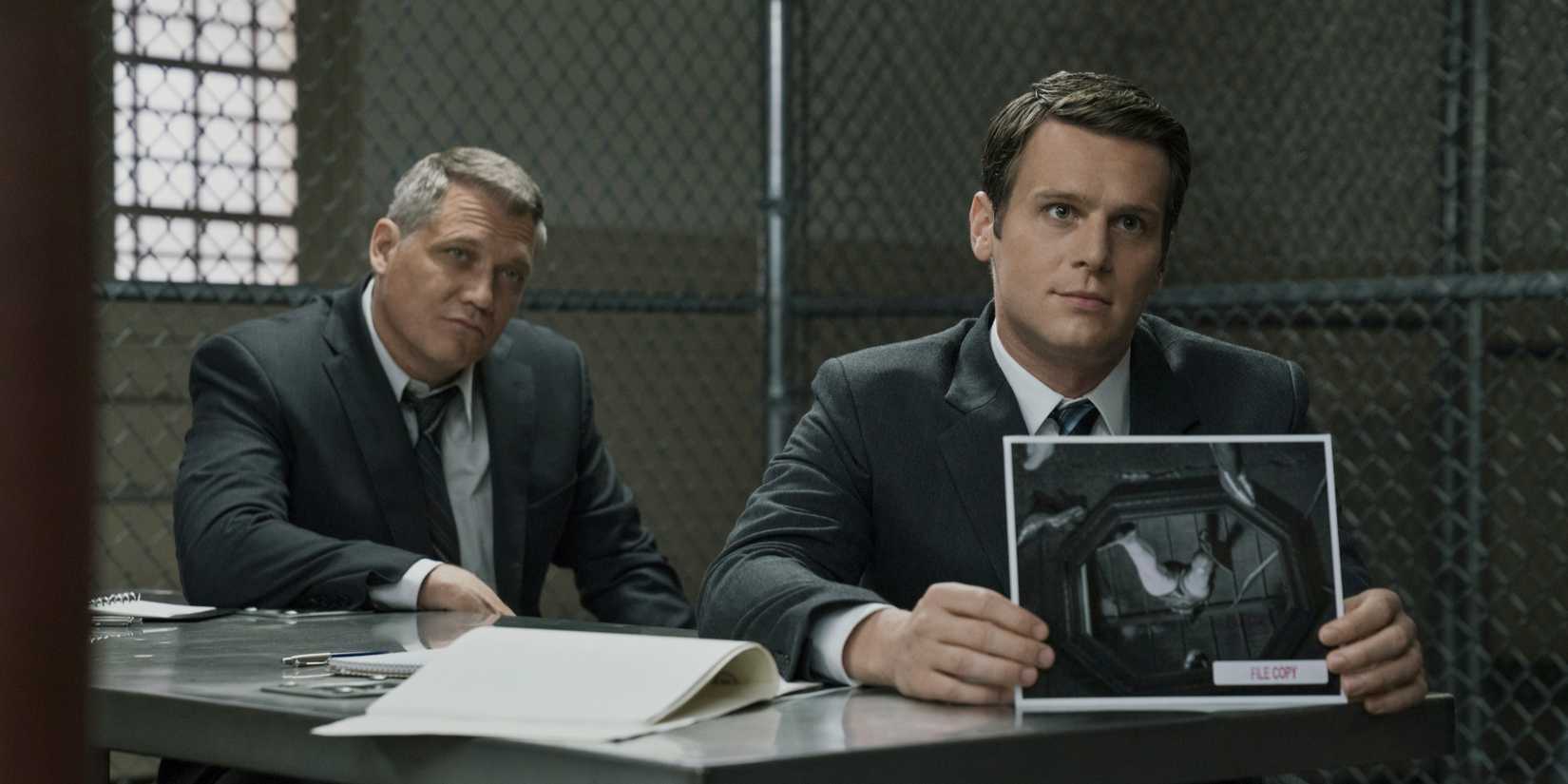
Perhaps Netflix’s greatest ever TV series, Mindhunter offers a wickedly engrossing spin on crime television by focusing on the psychology of serial killers rather than the process of a murder investigation. Set in the late ‘70s, it explores the birth of criminal profiling as it follows two FBI agents and a psychologist as they journey around America interviewing detained serial killers to gain insights into their motivations, methodologies, and past experiences, hoping to find a pattern that can then be applied to active cases.
Rather than adhering to genre conventions of frenzied police chases and life-threatening field work, Mindhunter operates at a more methodical pace as it extracts slow-burning suspense from simple conversations. Even compared to more modern series that do tend to unfold at a more restrained tempo, Mindhunter distinguishes itself with its rich psychological intrigue, darker main characters, and its imposing cinematic style, all of which make it a noteworthy and unique highlight in the modern era of crime television.
4 'Unbelievable' (2019)

One of the most piercing and underrated miniseries of the past decade, Unbelievable handles a horrific true-crime story with astute deftness and craft. It also makes several key departures from crime television tropes to emphasize its core thematic ideas with punishing conviction. Its structure alone is a break away from tradition, with the Netflix series following two separate threads in Marie Adler’s (Kaitlyn Dever) legal and emotional struggle after surviving sexual assault and two Colorado-based detectives’ investigation into a serial rapist.
Another interesting thing Unbelievable does is that it strips the story of any whodunit suspense, instead using Detective Rasmussen (Toni Collette) and Detective Duvall’s (Merritt Weaver) narrative as a means to explore the inner workings of institutional failure, while Adler’s arc of cruel, dehumanizing legal processes and even criminal charges exposes the impact the legal system’s pitfalls have on victims of heinous crimes. It also shifts the focus away from the notoriety of the perpetrator, finding its dramatic might in its three exceptional lead performances and its sprawling tale of injustice and police process.
3 'Twin Peaks' (1990–1991)

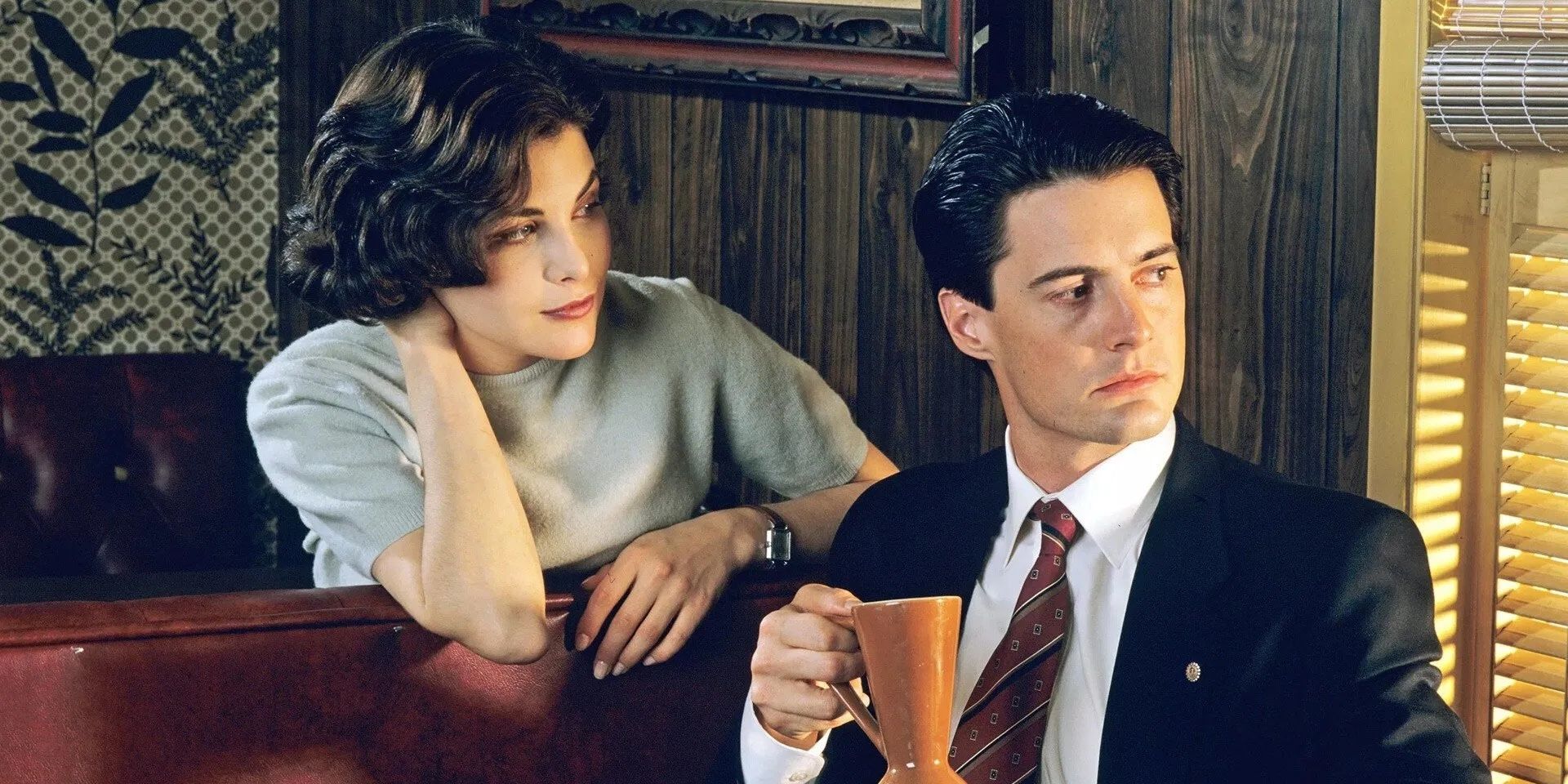
While crime television in the 20th century was largely renowned for its strict adherence to rigid formulas and tropes, there were many series that pushed back against the norm. None did so more than Twin Peaks, which served as a perfect marriage between the traditional form of murder mystery television and David Lynch’s eccentric genre-meshing and atmospheric tension to deliver what is still considered to be one of the most daring and brilliant crime shows of all time.
Following FBI agent Dale Cooper (Kyle MacLachlan) as he travels to the titular small town to investigate the murder of a teenage girl, the series expands far beyond the perceived boundaries of crime TV by incorporating everything from supernatural horror to black comedy. Twin Peaks occupies an air of surreal, dreamlike eeriness, which was as groundbreaking at the time as the series’ decision to trade episodic, case-of-the-week police procedure for one serialized, continuous plot thread.
2 'True Detective' (Season 1) (2014)

Today it seems as if most cop shows that come out are moody, slow-burning thrillers that invest even more in the detectives’ personal lives than the case they are investigating, but it wasn’t that long ago that this character-focused approach to the genre was unheard of. The first season of True Detective was the major pioneer of this style, with the eight-episode season following two cops in rural Louisiana whose efforts to apprehend an occult serial killer take an enormous toll on their lives throughout the 17-year investigation.
Instead of fast-paced action, True Detective anchors its suspense in its exploration of the depths of human depravity, elements of cosmic horror and philosophical nihilism, and the enigmatic, unreliable nature of the two lead detectives as narrators. Everything from the plot beats to the central character dynamic, the methodical pacing, and the heavy investment in atmospheric unease and character drama actively defied genre norms, with True Detective’s first season completely flipping the nature of police procedural television on its head while delivering what many consider to be the greatest single season in the history of the medium.
1 'The Sopranos' (1999–2007)
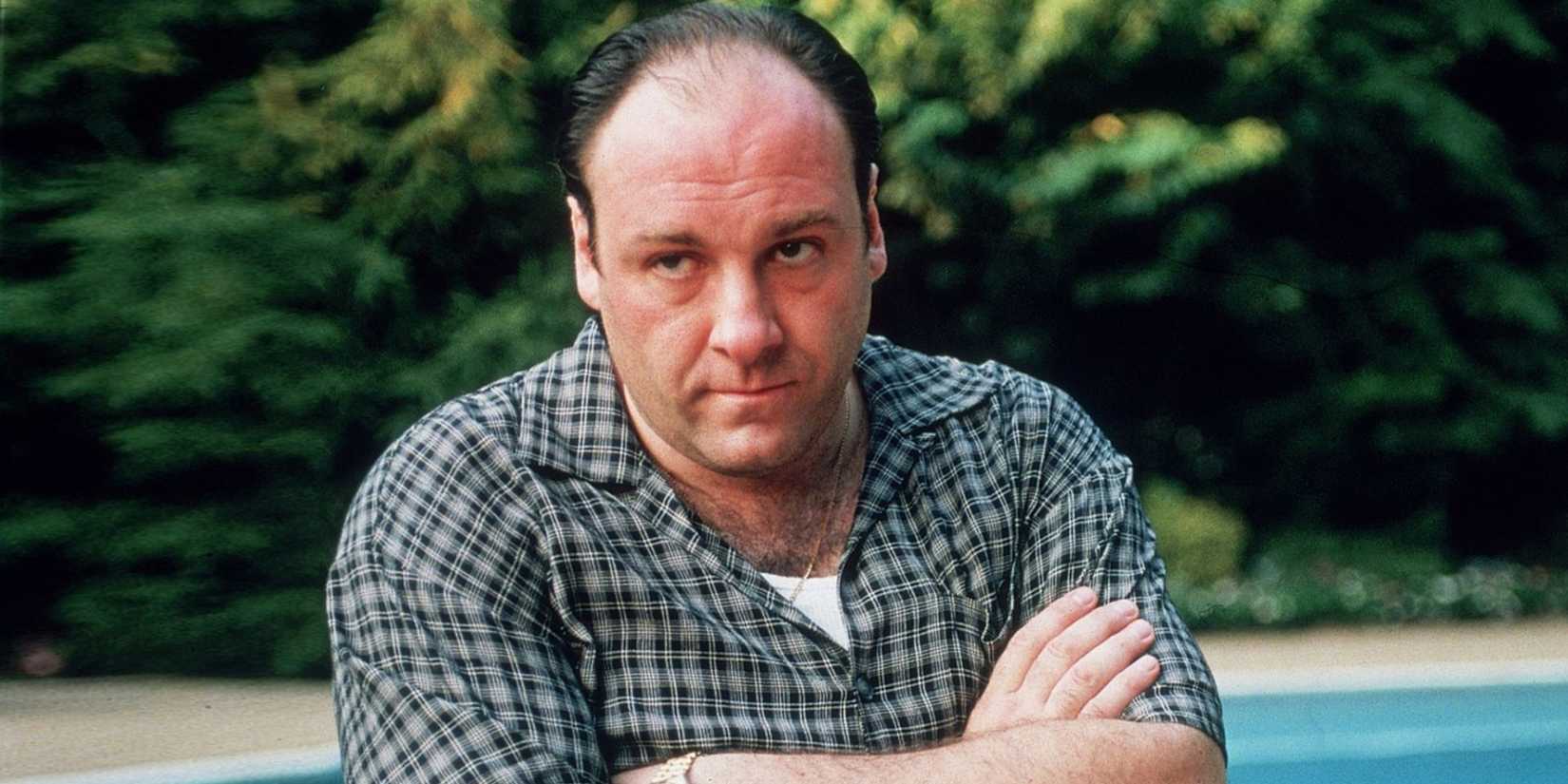
The defining spearhead of television’s golden era which emerged in the early 2000s, The Sopranos didn’t just defy crime drama tropes; it recalibrated the landscape of television storytelling at large. Across a daring serialized narrative that spans six seasons, it follows New Jersey mob boss Tony Soprano (James Gandolfini) as his struggles to navigate a litany of obstacles in his violent profession and spiraling personal life lead him to begin seeing a therapist in secret.
Through everything from the unrivaled intensity of its performances to its depictions of violence and graphic content, and even to its in-depth exploration of a complex and challenging anti-hero, The Sopranos’ departures from the status quo not only made for what is still viewed by many to be the greatest crime series of all time, but also ushered in a new age of prestige drama on the small screen. Understandably, the show’s legacy revolves around the craft of its storytelling, but it should never be forgotten just how daring and groundbreaking it was for the medium.
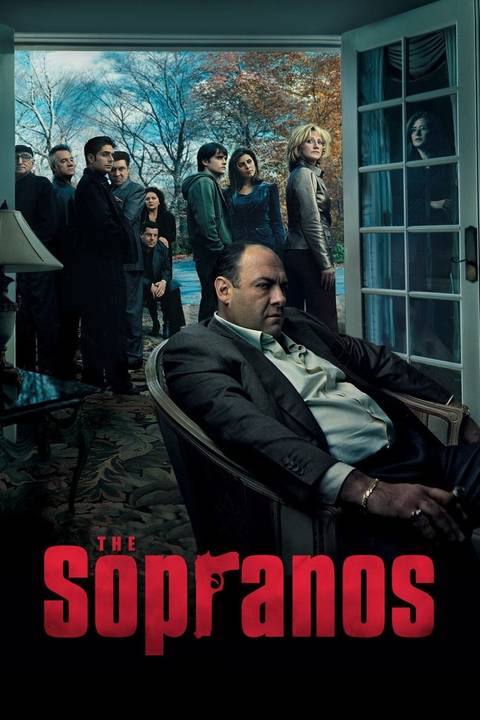
The Sopranos
- Release Date
- 1999 - 2007-00-00
- Network
- HBO
- Showrunner
- David Chase
- Directors
- Tim Van Patten, John Patterson, Alan Taylor, Jack Bender, Steve Buscemi, Daniel Attias, David Chase, Andy Wolk, Danny Leiner, David Nutter, James Hayman, Lee Tamahori, Lorraine Senna, Matthew Penn, Mike Figgis, Nick Gomez, Peter Bogdanovich, Phil Abraham, Rodrigo García
KioskNews shows a cleaned-up reading view extracted from the publisher’s page — the original always lives on their site, not ours.