Rare Easter Island jewellery bought for £100 by British collector sells for £75,000 at auction
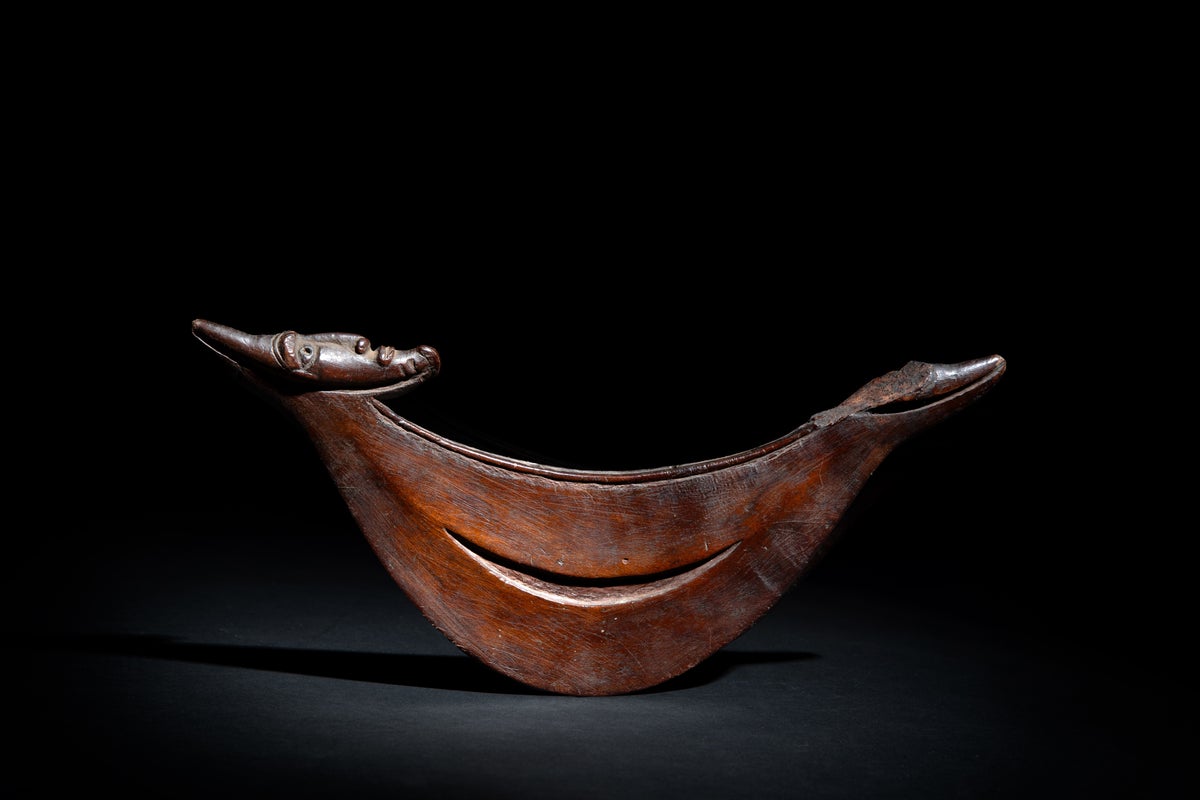
A damaged wooden pendant bought for under £100 eight months ago has sold at auction for £75,000, after triggering an international bidding war.
The buyer originally spotted the late 18th- or early 19th-century item at a provincial auction house.
After placing a low opening bid, he secured the piece without competition as no other prospective bidders showed interest.
He later brought the relic to Woolley & Wallis, a specialist auction house in Salisbury, Wiltshire, which focuses on tribal items.
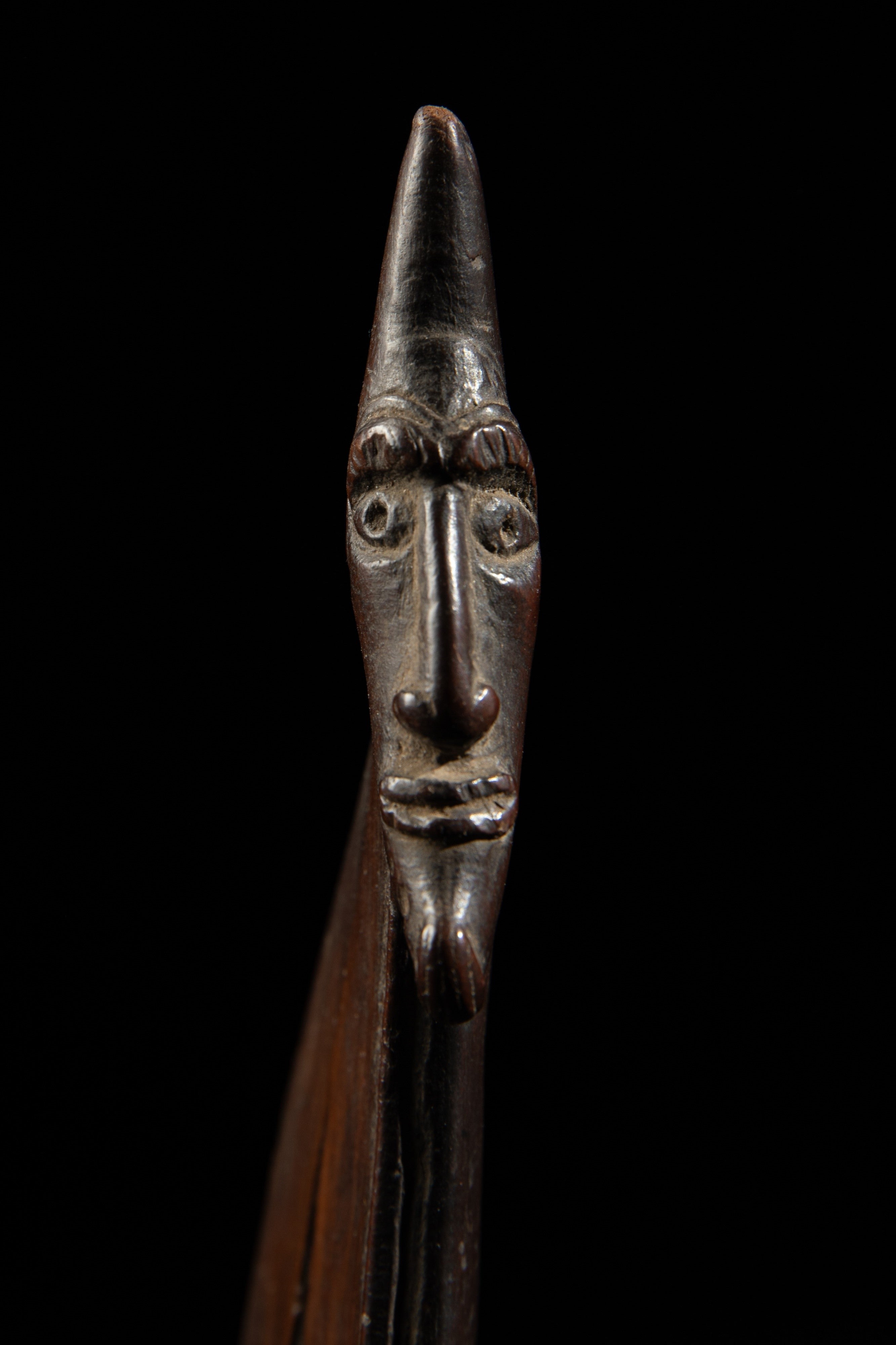
Specialists identified the 10.5-inch artifact as an important piece of jewellery from Easter Island in the Polynesian South Pacific, which was visited by the British explorer Captain James Cook in 1774.
The island, known locally as Rapa Nui, is known for its huge stone statues, called moai. It is one of the most isolated inhabited places in the world.
Despite missing its second head, the pendant, which was traditionally worn during ceremonial dances and likely belonged to island royalty, was valued between £10,000 and £20,000.
Had the piece remained complete, auctioneers estimated it could have been worth £600,000.
Ultimately, the collector's initial hunch paid off as intense global demand pushed the final sale price well beyond its guide valuation.
A European collector paid a hammer price of £60,000 for it, with auctioneers fees taking the final figure handed over to £75,800.
That is 758 times what it cost in January.
“The seller found it at auction in the UK at the beginning of the year. He thought it looked important and ended up buying it for less than £100, so he's made quite a good return,” Luke Hobbs, Woolley & Wallis specialist, said.
“It is very rare and only a couple are known to have come on to the market, as most ended up in museums when they were brought to Britain in the 19th century.
“It is sadly missing one of its heads, or it could have been worth £600,000.
“We have no idea when or how it came over to this country.
“But it would have been worn by royalty at important ceremonies or festivals.
“The vendor had been interested in tribal art for years and this was his moment of glory.”
KioskNews shows a cleaned-up reading view extracted from the publisher’s page — the original always lives on their site, not ours.