India not a sporting superpower, but can make presence felt at Asian Games
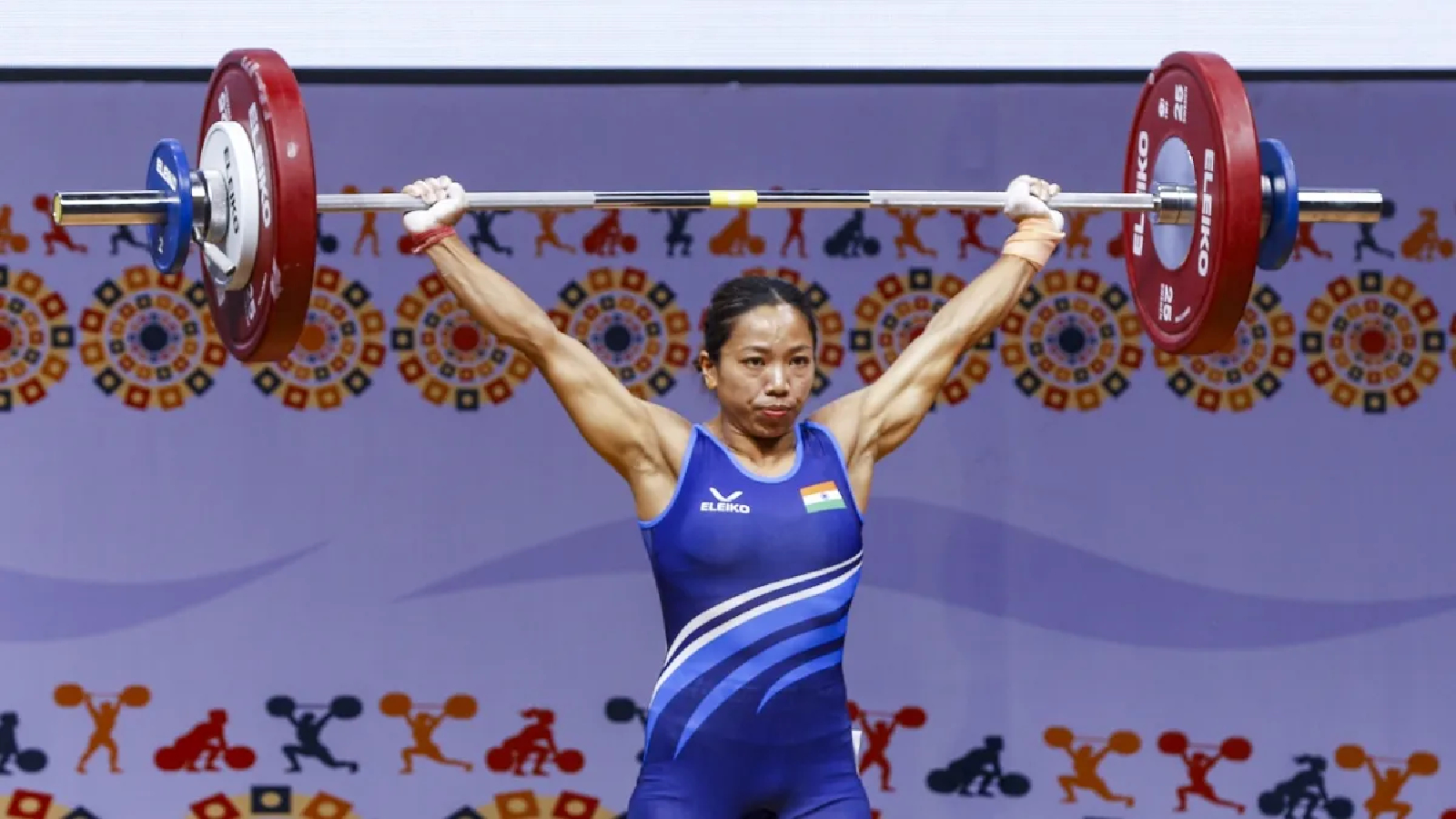
For India's 2026 Asiad batch, the Asiad medal, no matter how much hype it creates, is just the dip for the Olympic Games at Los Angeles in two years. (PTI Photo)
India has won 778 medals at Asian Games till date from 19 editions – 183 of them being gold. China has 3,570 in all, with 1,674 gold; that too from 14 outings.
Those numbers – and a small, unassuming knick-knack tucked inside the goodie-bag given to every Aichi-Nagoya Asian Games athlete – can put the next fortnight into perspective. It’s a small fist-sized sauce-plate, the Japanese trick for portion control, never overwhelming the dish with the dip.
For India’s 2026 Asiad batch, it’s a metaphor – the Asiad medal, no matter how much hype it creates, is just the dip for the Olympic Games at Los Angeles in two years. Japanese cutlery is designed for small bites. Nagoya is the smallest start for what needs to be achieved at LA ’28. It has 20 Olympic quotas on offer.
ALSO READ | Mumbai club cricketer Vinay Iyer will coach Japan against India at the Asian Games
Both hockey teams could do with nailing down that Olympic qualification – for 20 years ago, they didn’t secure Beijing participation. The men’s team has won two Olympic bronzes since, but an Asiad gold is something best sealed before dreaming too big.
A Nagoya gold in archery will perhaps be the most significant, with the sport offering six individual and two team quotas. The gettable one is in the Compound mixed team event, a discipline Indians have long dominated, but the stakes have never been this high to prove the Koreans can be denied.
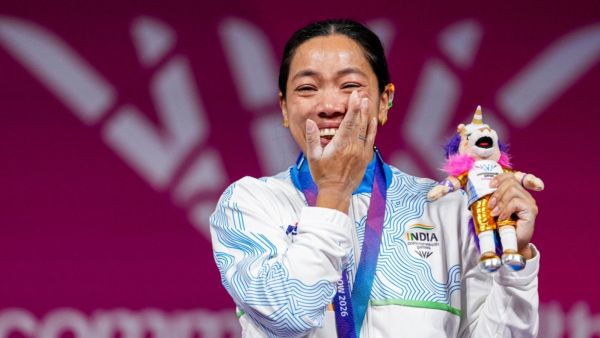 Mirabai Chanu on the podium at the medal ceremony after she won her third consecutive Commonwealth Games gold (PTI Photo)
India are not exactly favourites in Recurve either. But Dhiraj Bommadevara is considered a generational talent. He will need tonnes of adaptability in cloudy, windy conditions though to beat Koreans such as Sim Woo-jin, though both gold and silver fetch quotas. There’s no Deepika Kumari in the women’s entries, and the likes of Ankita Bhakat will need to be at their best to grab a coveted final.
Story continues below this ad
Another notable omission is that of Manika Batra in table tennis, though India got a medal courtesy Ayhika (another shocking absence) and Sutirtha Mukherjee, who will compete at Nagoya. There are no Olympic quotas available, but a men’s doubles medal from Manav Thakkar and Manush Shah might start a happy streak.
Making a racket
Squash and tennis offer a men’s singles and women’s singles quota each to the winner. And while Anahat Singh has the Malaysian leader in Asia in her sights, it is in tennis with Sumit Nagal that India can dream. Dhaksineswar Suresh has been on a roll these last 12 months, but he won’t be fielded in singles – curiously. The quota is quite alluring though. Surfing, dinghy sailors and triathlon are other LA-coded golds, with a lesser Indian likelihood though.
But there are other battles and match-ups that offer intriguing storylines.
ALSO READ | Room allocation delays, long travel, accred woes: chaos greets athletes at Nagoya
Story continues below this ad
Like weightlifter Mirabai Chanu’s pursuit of the elusive Asiad podium, or a badminton singles gold – a good time for Lakshya Sen and Ayush Shetty to spring back to life. India also hasn’t won a rowing gold since Dattu Baban Bhokanal, Sawarn Singh, Om Prakash and Sukhmeet Singh got home the Quadruple sculls top spot in 2018, but lightweight’s Ujjwal Kumar has had a good year.
The Asian Games really gets exciting on match-ups though: CWG 60kg champion boxer Sachin Siwach taking on Uzbeki royalty Abdumalik Khalolov. Or 51 kg breakout pugilist Sakshi Chaudhary going up against Chinese Olympic champ Wu Yu for gold. Or Jyothi Yarraji, who won a silver at Hangzhou, once again getting flanked by old Chinese rivals, Wu Yanni and Lin Yuwei, in the 100m hurdles.
The first medal up for grabs will pit 10m Air Rifle shooters Elavenil Valarivan-Tilottama Sen-Sonam Uttam Maskar against the latest Chinese sensation, Wang Zifei.
All of India’s attention has shifted to Pistol though, as seeking redemption in Japan is former world champion Rudrankksh Patil. Interestingly, Patil won the world title while still a teen in 2022, but failed to qualify for the Paris Olympics. The boy who won bronze when Patil won gold, Chinese Sheng Lihao, spearheads their shooting bunch, while only 21 years old, but already a double Olympic champion.
Story continues below this ad
Redemption due
There are a few other names that haven’t fulfilled their touted potential. India has endless patience for the talent of 97kg wrestler Deepak Punia, but Nagoya might be a good place to put it past Russian-born Bahrain heavyweight, Akhmed Tazhudinov. India hasn’t won an Asiad wrestling gold since Vinesh Phogat and Bajrang Punia’s 2018 triumphs, when Deepak picked silver.
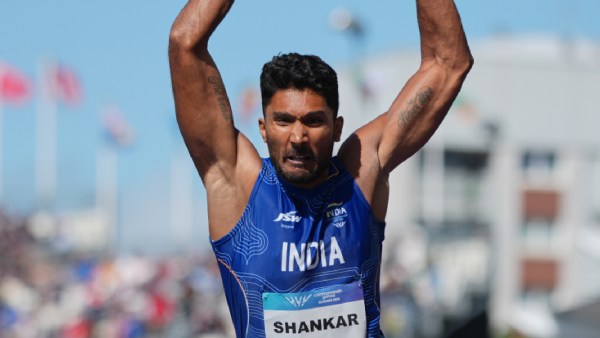 India’s Tejaswin Shankar competes in the men’s decathlon long jump at the Commonwealth Games in Glasgow, Scotland, Thursday, July 30, 2026. (AP Photo/Alastair Grant)
Asiad medals tend to rain on India in track and field. However, gold could be hard-earned. High jumper Pooja bombed at the Commonwealth Games but redemption could come at Nagoya – she has Uzbek Barnokhon Sayfullayeva, a pair of Kazakhs and Chinese Jiawen Lu snapping at her heels. Rumesh Pathirage looms large on the javelin field, but Yashvir Singh and Rohit Yadav have a chance to keep India interested if they can get into 87m+ territory.
Sarvesh Kushare and Tejaswin Shankar can carry forward their success train from the CWG, and the sprinters are due to ‘not’ mess up.
While two kabaddi golds are demanded, the superstar cricket teams too can pay their dues, with a fuss-free march to gold. Temporary stands are being erected at a baseball stadium that seats 500. Jasprit Bumrah and Shreyas Iyer can send the humble Asiad into a higher entertainment sphere.
Story continues below this ad
A slightly sentimental feeling tinges badminton. It might well be the last Asian Games for HS Prannoy, Kidambi Srikanth and PV Sindhu. Though Sajan Prakash never quite medalled at this stage, his effort to slash a second from his timing will be followed by Indian fans.
© The Indian Express Pvt Ltd

Shivani Naik is a senior sports journalist and Assistant Editor at The Indian Express. She is widely considered one of the leading voices in Indian Olympic sports journalism, particularly known for her deep expertise in badminton, wrestling, and basketball. Professional Profile Role: Assistant Editor and Columnist at The Indian Express. Specialization: While she covers a variety of sports, she is the primary authority on badminton for the publication. She also writes extensively about tennis, track and field, wrestling, and gymnastics. Writing Style: Her work is characterized by "technical storytelling"—breaking down the biomechanics, tactics, and psychological grit of athletes. She often provides "long reads" that explore the personal journeys of athletes beyond the podium. Key Topics & Recent Coverage (Late 2025) Shivani Naik’s recent articles (as of December 2025) focus on the evolving landscape of Indian sports as athletes prepare for the 2026 Asian Games and beyond: Indian Badminton's "Hulks": She has recently written about a new generation of Indian shuttlers characterized by power and physicality, such as Ayush Shetty and Sathish Karunakaran, marking a shift from the traditionally finesse-based Indian style. PV Sindhu’s Resurgence: A significant portion of her late-2025 work tracks PV Sindhu’s tactical shifts under new coaching, focusing on her "sparkle" and technical tweaks to break out of career slumps. The "Group of Death": In December 2025, she provided detailed tactical previews for Satwiksairaj Rankireddy and Chirag Shetty’s campaign in the BWF World Tour Finals. Tactical Deep Dives: She frequently explores technical trends, such as the rise of "backhand deception" in modern badminton and the importance of court drift management in international arenas. Legacy and History: She often revisits the careers of legends like Saina Nehwal and Syed Modi, providing historical context to current Indian successes. Notable Recent Articles BWF World Tour Finals: Satwik-Chirag have it all to do to get through proverbial Group of Death. (Dec 2025) The age of Hulks in Indian badminton is here. (Dec 2025) Treadmill, Yoganidra and building endurance: The themes that defined the resurgence of Gayatri and Treesa. (Dec 2025) Ayush Shetty beats Kodai Naraoka: Will 20-year-old be the headline act in 2026? (Nov 2025) Modern Cinderella tale – featuring An Se-young and a shoe that fits snugly. (Nov 2025) Other Sports Interests Beyond the court, Shivani is a passionate follower of South African cricket, sometimes writing emotional columns about her irrational support for the Proteas, which started because of love for Graeme Smith's dour and doughty Test playing style despite being a left-hander, and sustained over curiosity over their heartbreaking habit of losing ICC knockouts. You can follow her detailed analysis and columns on her official Indian Express profile page. ... Read More
KioskNews shows a cleaned-up reading view extracted from the publisher’s page — the original always lives on their site, not ours.