Netflix's 36-Episode Superhero Series Started An Anti-MCU Genre, But Marvel Is Having The Last Laugh

Craig began contributing to Screen Rant in 2016 and has been ranting ever since, mostly to himself in a darkened room. After previously writing for various outlets, Craig's focus turned to TV and film, where a steady upbringing of science fiction and comic books finally became useful. Craig has previously been published by sites such as Den of Geek.
Craig is an approved critic on Rotten Tomatoes.
LinkedIn: https://www.linkedin.com/in/craig-elvy-5b31a3381/
Is superhero fatigue real? It hardly matters, because seven years since that phrase began gaining traction, the red capes are still coming. And the blue, black, green, and white ones too. DC may have spent that time figuring out whether it wanted to be an Extended Universe or a Universe, but the good ship Marvel has never dipped below full flight, with Captain Feige currently preparing to land the turbulent Multiverse Saga and launch the so-called Mutant Saga after welcoming back the X-Men from 21st Century Fox.
Regardless of whether it's superheroes causing our fatigue or just the specter of middle age, 2019 was undeniably the end of an era for the Marvel Cinematic Universe. Avengers: Endgame represented everything Marvel had been building toward since Tony Stark first discovered that karma had a sense of humor, and the Russos' CGI extravaganza released to a tsunami of critical acclaim mixed with cold, hard cash.
The triumphant climax of Avengers: Endgame also began to ask questions about the MCU's future. About whether the Marvel style of filmmaking could continue indefinitely, or if the sight of Thanos' big purple chin disintegrating into nothingness should bring the curtain down on an era of superheroes dominating cinema.
With Avengers: Endgame elevating the MCU to peak popularity, it's hardly surprising that the same year also saw a sharp counter-movement. Given that these 'anti-MCU' releases would have been in development for years beforehand, they likely weren't intended as a big middle finger to Marvel. Equally, the fact that they all debuted the same year as Marvel Studios' biggest movie is unlikely to be coincidental, as if a rebellion against Marvel's superhero mold was brewing in the air.
Netflix's The Umbrella Academy Released As A Counter To The MCU

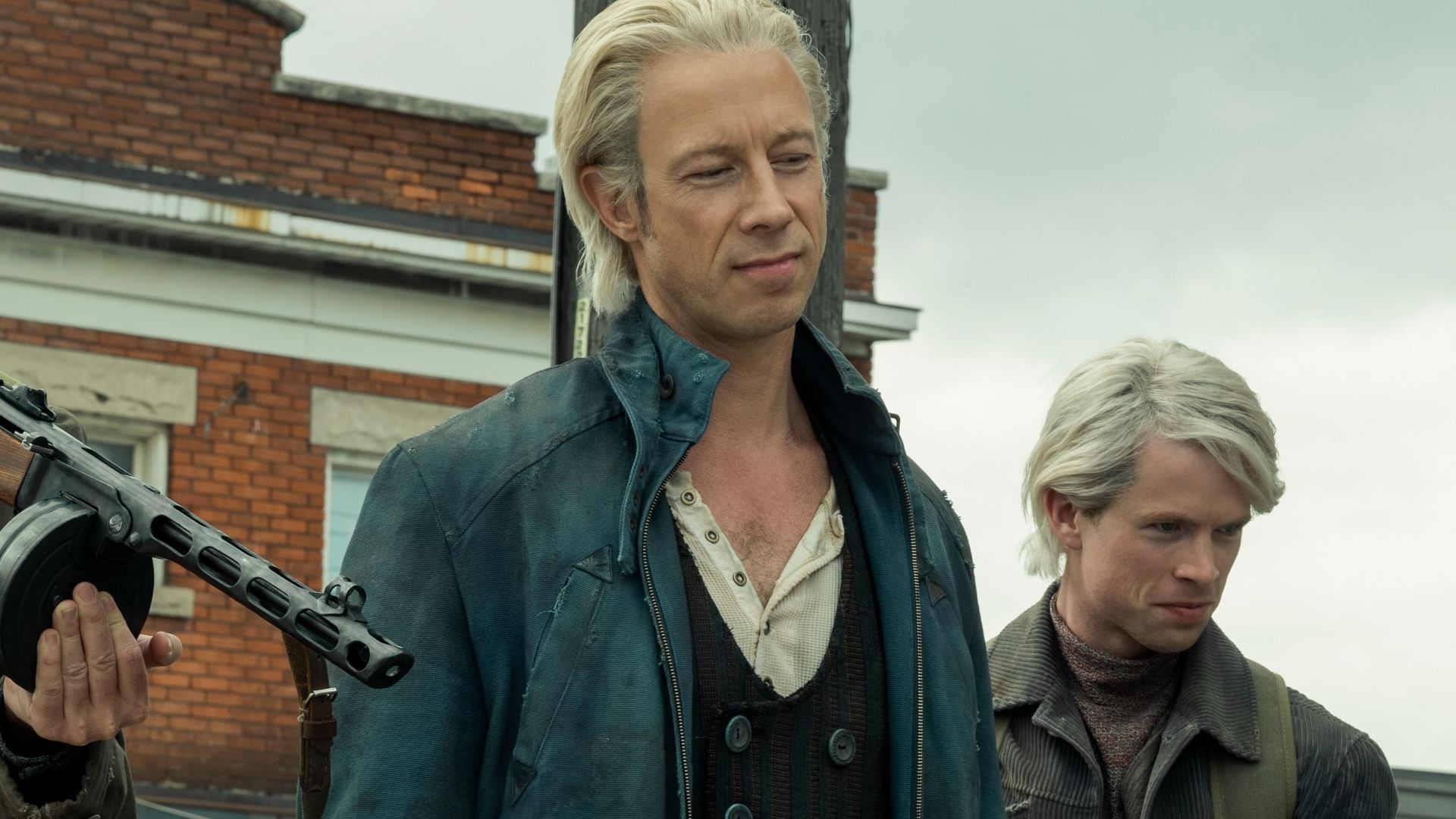
Debuting in February 2019 on Netflix, The Umbrella Academy adapted the Gerard Way and Gabriel Bá comic book of the same name, and like its source material, spun a tale of subversive superheroes plagued by dysfunction, moral ambiguity, and mandatory dance routines. At its heart, The Umbrella Academy still sat firmly within the superhero genre, pitting heroes against villains in world-saving endeavors, and incorporating an arsenal of kooky superpowers.
In its approach, however, The Umbrella Academy couldn't have deviated further from the MCU. Quirky and silly, The Umbrella Academy steered away from the narrow mainstream avenue that Marvel coveted, while storylines revolved more around interpersonal drama than fending off nefarious threats. Eschewing the genre norm of fact-paced, action-packed narratives, The Umbrella Academy unfolded more like a moody conspiracy series, swapping punches and judo throws for punchlines and character growth.
The real point wasn't just that The Umbrella Academy pitched itself as different to the MCU, but that Netflix's series actively criticized and deconstructed the very concept of superheroes. Each of the Hargreeves siblings carried emotional baggage stemming from a childhood of fighting crime. It was the antithesis of the MCU. Marvel had spent more than a decade drilling into viewers that heroes are intrinsically good (and should be considered villains if not), while The Umbrella Academy posed the counterargument that superheroes and super-culture posed the real problem. It wasn't without meaning that season 1's main villain idolized the Umbrella Academy as their #1 fan.
The Umbrella Academy Was Part Of An Anti-MCU Wave
The Umbrella Academy may have fired the starting gun, but it was just one single participant in the cultural riot against Marvel's monopoly. July 2019 saw the opening gambit of Prime Video's sibling series to The Umbrella Academy, The Boys - two shows very far apart in execution, but very close together in philosophy.
Whereas The Umbrella Academy poisoned the superhero formula with a dollop of black, gothic gloom, The Boys decided the genre needed more exploding body parts, more C-bombs, and much, much more milk. Again, The Boys' true agenda was to smash down the idea of superheroes as godlike figures to be worshiped, and delve into the darker corruption that superpowers would inevitably create in a real-world scenario.
Barely a month later, Joker premiered in theaters, bursting the comic book movie rulebook like a cheap balloon on its way to Oscar glory. Deadpan in its delivery, Joker's absence of heroes performed a dark social commentary routine that shone a satirical light on how narrow the MCU's remit had been since its inception.
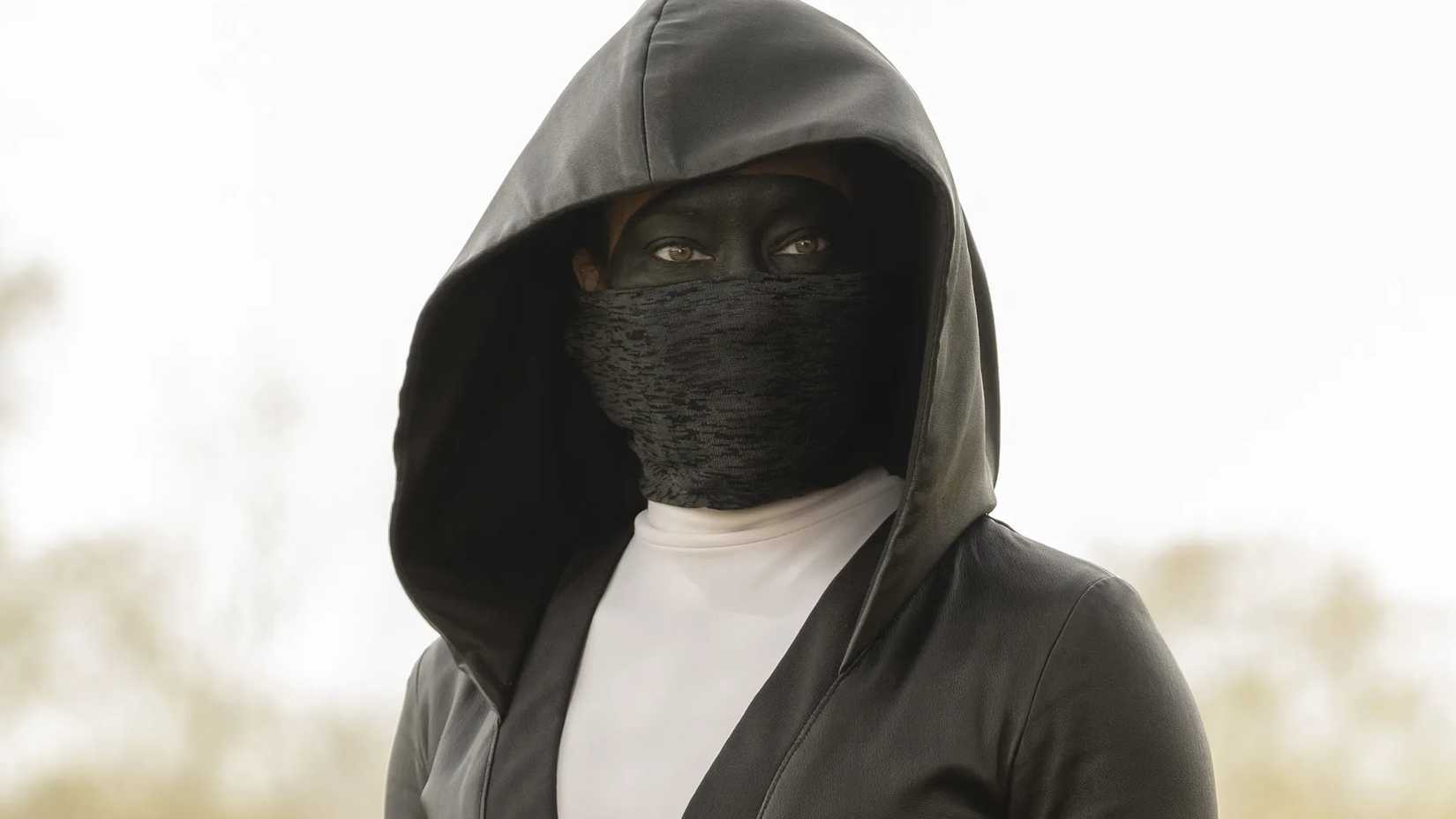
Finally, the end of 2019 brought us Damon Lindelof's Watchmen on HBO. Alan Moore's comic had already been the definitive anti-superhero work for years, and Watchmen's TV debut took that theme to its inevitable conclusion. The short version: lots of people were miserable. Especially the clones.
The MCU Had The Last Laugh

Marvel may have been basking in the glow of box office glory by the time 2019 faded into 2020, but superiority was rapidly being replaced by skepticism, as screens big and small started enjoying success with sideways takes on capes and cowls. And with Marvel's own path looking uncertain after Thanos' defeat and the Infinity Saga's finale, the torch looked destined to pass from the clean-cut, family-friendly era of superhumans to a more diverse, cynical period of comic book adaptations.
Fast-forward seven years to 2026, and things didn't quite play out that way.
The Umbrella Academy ran for three strong seasons before Netflix let it limp to a premature end in a questionable final run. The Boys turned into the kind of franchise it parodied, spawning multiple spinoffs and a subsection of viewers that questioned whether Homelander was really the villain. The less said about Joker: Folie à Deux, the better. Only Watchmen's legacy remains untarnished, with Damon Lindelof declining to make a second season, and the 2019 miniseries still standing on its own lofty merits today.
The MCU, meanwhile, has just reached new heights of success with Spider-Man: Brand New Day. There have been missteps along the multiverse road, and the sheen of critical invulnerability enjoyed throughout the 2010s protects Marvel no longer, but as it continues to rewrite cinematic history books for fun, the MCU's enduring dominance shows no sign of slowing. The hype surrounding both Avengers: Doomsday and the new X-Men cast are testament to that.
The Umbrella Academy and its cohorts may have scored a temporary victory against the big machine of superheroes back in 2019, but Marvel had the better endgame.
KioskNews shows a cleaned-up reading view extracted from the publisher’s page — the original always lives on their site, not ours.