India, Nepal need to protect gains of past, build ties of future
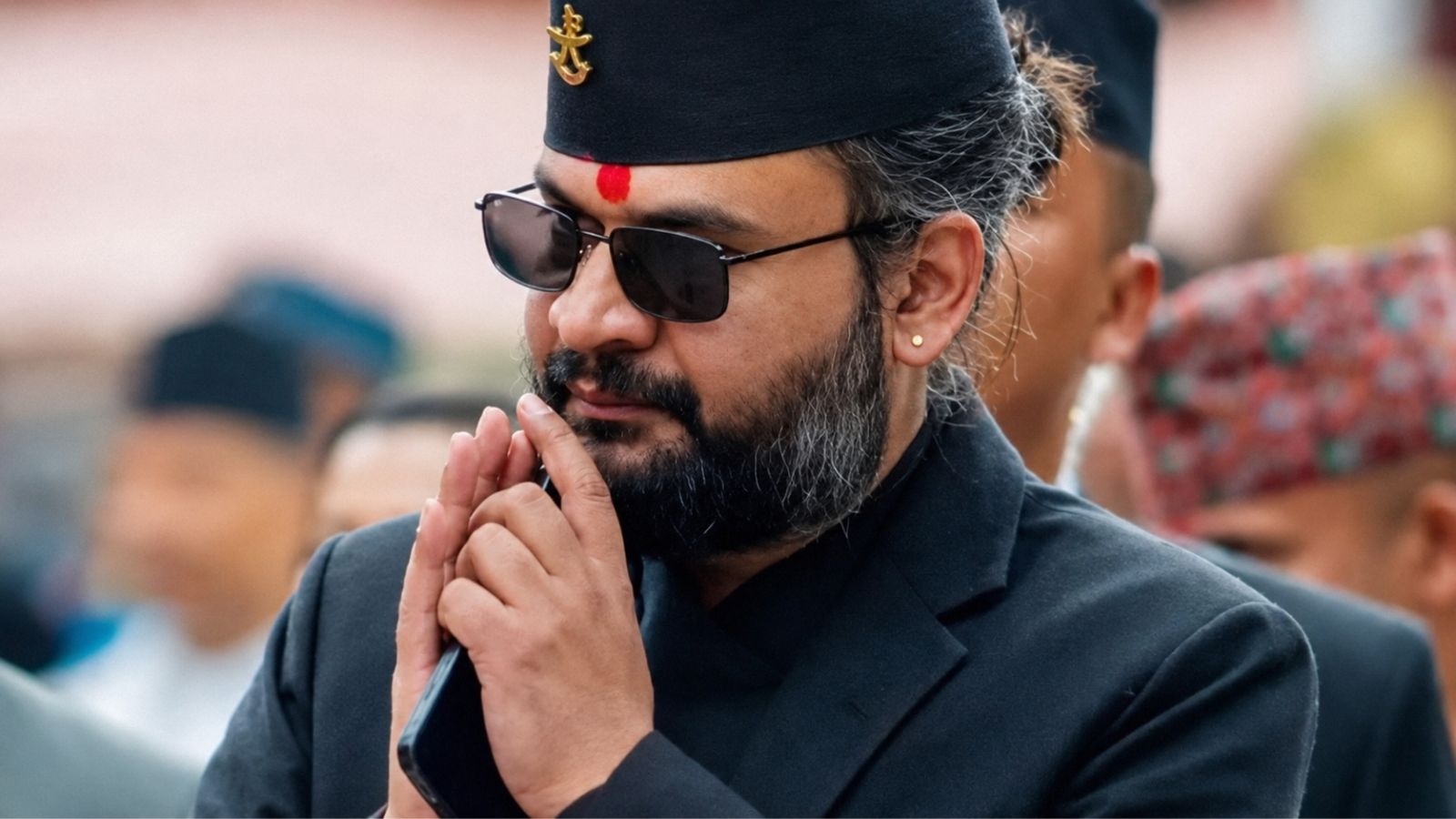
Nepal Prime Minister Balen Shah will visit India later this month, his first foreign visit for bilateral talks since assuming office earlier this year. It will also give Prime Minister Narendra Modi the first opportunity for a direct interaction with Shah and offer both countries a chance to strengthen their relationship.
Shah assumed power following the Rastriya Swatantra Party’s (RSP) landslide victory in the March elections. The emphatic mandate overturned the prevailing view that no single party could secure a majority on its own, given Nepal’s electoral system — an assessment reinforced by elections since 2015. The victory also reflected the frustration among Nepalis, particularly the youth, with traditional political parties. The new government has prioritised development and service delivery and set an ambitious economic growth target. Its record over eight months suggests improvements in some areas, though growth and job creation remain challenges. Recent natural disasters, including the floods in late August, have created additional hurdles.
India has engaged the new government from the outset. Modi spoke to Shah and RSP president Rabi Lamichhane soon after their electoral victories. Foreign Minister Shisir Khanal, Finance Minister Swarnim Wagle and Home Minister Sudan Gurung have visited India in recent months. Lamichhane also visited India at the BJP’s invitation in early June.
A new vision for engagement — focused on strengthening and integrating both economies for mutual benefit and creating opportunities for their youth — would complement Shah’s emphasis on economic development and development diplomacy. It would also be in keeping with India’s Neighbourhood First Policy. During his first visit to Nepal as Prime Minister in 2014, Modi had proposed “HIT” — highways, infoways and transmission ways — as a blueprint for enhanced engagement. There has been considerable progress since. The India-Nepal trade agreement set a target of 10,000 MW of power exports over 10 years. Today, Nepal exports close to 1,200 MW of electricity to India during the wet season. The Arun-3 hydropower project is being built by the Indian public sector undertaking Satluj Jal Vikas Nigam, while several others are in the planning stages. New transmission lines have facilitated power trade. Trade has benefited from Integrated Check Posts in Birgunj, Biratnagar and Nepalgunj, alongside a new cargo rail line. Digital financial connectivity has also been established, with UPI widely available in Nepal, facilitating increased tourist traffic from India.
For Indian companies looking to invest in Nepal, the two countries could develop a framework encouraging regional supply chains. For instance, Nepal could become a centre for manufacturing ancillary components for Indian-made products. The India-EU FTA also opens new opportunities in this regard. Realising this potential would require considerable policy work by both governments.
Creating opportunities for young people, including connecting Nepali entrepreneurs with India’s vibrant start-up ecosystem, could establish enduring linkages. A good beginning has been made through the INSPAN programme, which connects Nepali start-ups with IIT Madras’s incubator, Pravartak. Such initiatives need expansion. Cooperation in higher education, including establishing IIT campuses, would fit into this framework of youth engagement. Sports, particularly cricket, offer another avenue for cooperation. While Nepali players have occasionally trained in India, institutionalising such programmes and organising regular matches should be priorities for both sides.
Nepal, with its numerous religious sites, attracts large numbers of Indian tourists and pilgrims. A train service between Ayodhya and Janakpur would connect these historic cities, deepen cultural bonds and contribute to Janakpur’s economic development.
After the Bhotekoshi-Rasuwa floods, India provided relief material and technical assistance to Nepal. The country will need assistance with reconstruction and rehabilitation. Foreign Secretary Vikram Misri discussed this during his visit to Nepal earlier this month. Finalising an assistance package before Shah’s visit would send a positive signal. In the long term, the two countries should establish an early warning system for the Himalayan region.
On pending boundary issues, the two countries have adopted a pragmatic approach over the past two years, convening meetings of survey officials and the Boundary Working Group and beginning border pillar repairs. Given the issue’s sensitive nature, further complicated by developments in 2020, these efforts need to be sustained.
A robust framework for deepening long-term economic cooperation, alongside pragmatic management of sensitive issues, will be key to a successful visit.
KioskNews shows a cleaned-up reading view extracted from the publisher’s page — the original always lives on their site, not ours.