Tesla’s $30,000 Cybercab comes with a $299 monthly catch
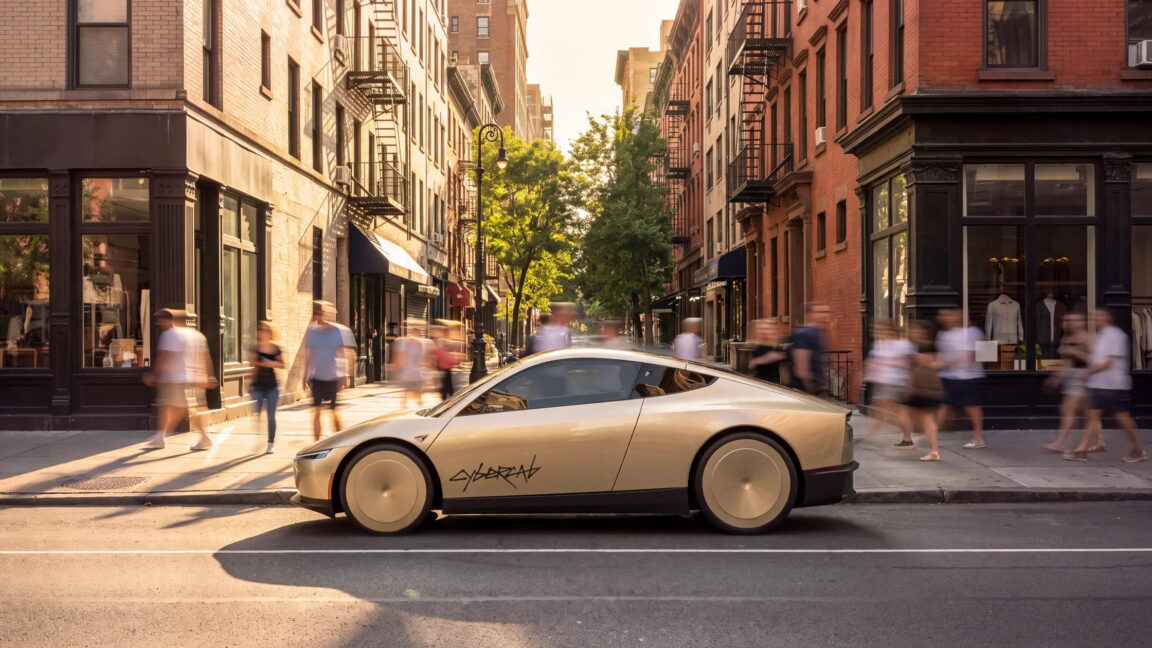
There is always a catch. Or in the case of Tesla’s self-driving Cybercab, several.
Last Friday night, Tesla said it had invited “select customers” to purchase their very own Cybercabs. The two-seat, gold vehicle is unlike any other on the market: It lacks a steering wheel and brake pedals, and is primarily driven by software. (Other autonomous vehicle companies, including Alphabet’s Waymo and Amazon’s Zoox, offer self-driving rides on ride-hail networks, but don’t let people buy their cars.) Tesla’s “limited release” will supposedly offer some people (unclear how many) the opportunity to pay $29,900 to take delivery in December.
From there, though, the Cybercab will need constant cash infusions to stay on the road.
The business model raises questions about what people will actually get when they buy a Cybercab. “You’ll never really own the car,” says Ivan Drury, the director of insights at Edmunds. “It’s more like $30,000 to buy into a franchise.”
According to documents posted on Tesla’s website, the vehicle “will not operate” without what Tesla is calling an “autonomy subscription,” a monthly fee that will start at $299. If owners don’t pay on time and in full, their self-driving cars won’t work. If they try to operate the vehicles in areas that don’t support the service—right now, they’re restricted to portions of cities in Florida and Texas—their self-driving cars won’t work. (That area can expand, contract, or “relocate” at any time.)
If owners do anything that Tesla deems “unauthorized or inappropriate,” the company says it can suspend or cancel the subscription—and their self-driving cars won’t work. If the vehicle loses connectivity, the self-driving cars won’t work. (“Tesla is not responsible for carrier, spectrum, environmental, or other external outages,” its “autonomy agreement” says.)
KioskNews shows a cleaned-up reading view extracted from the publisher’s page — the original always lives on their site, not ours.