Court declares adopted child born in Malaysia a citizen
A child born in Malaysia whose biological parents remain unidentified is entitled to Malaysian citizenship by operation of law, the High Court in Ipoh has ruled.
Justice Moses Susayan said the government had failed to establish that the child was a citizen of another country or that his biological mother was not permanently resident in Malaysia.
He said the child should not be made to suffer because of false information supplied by the adults responsible for his original registration.
“The child had no voice in the original registration and committed no fraud,” he said in his 25-page grounds of judgment.
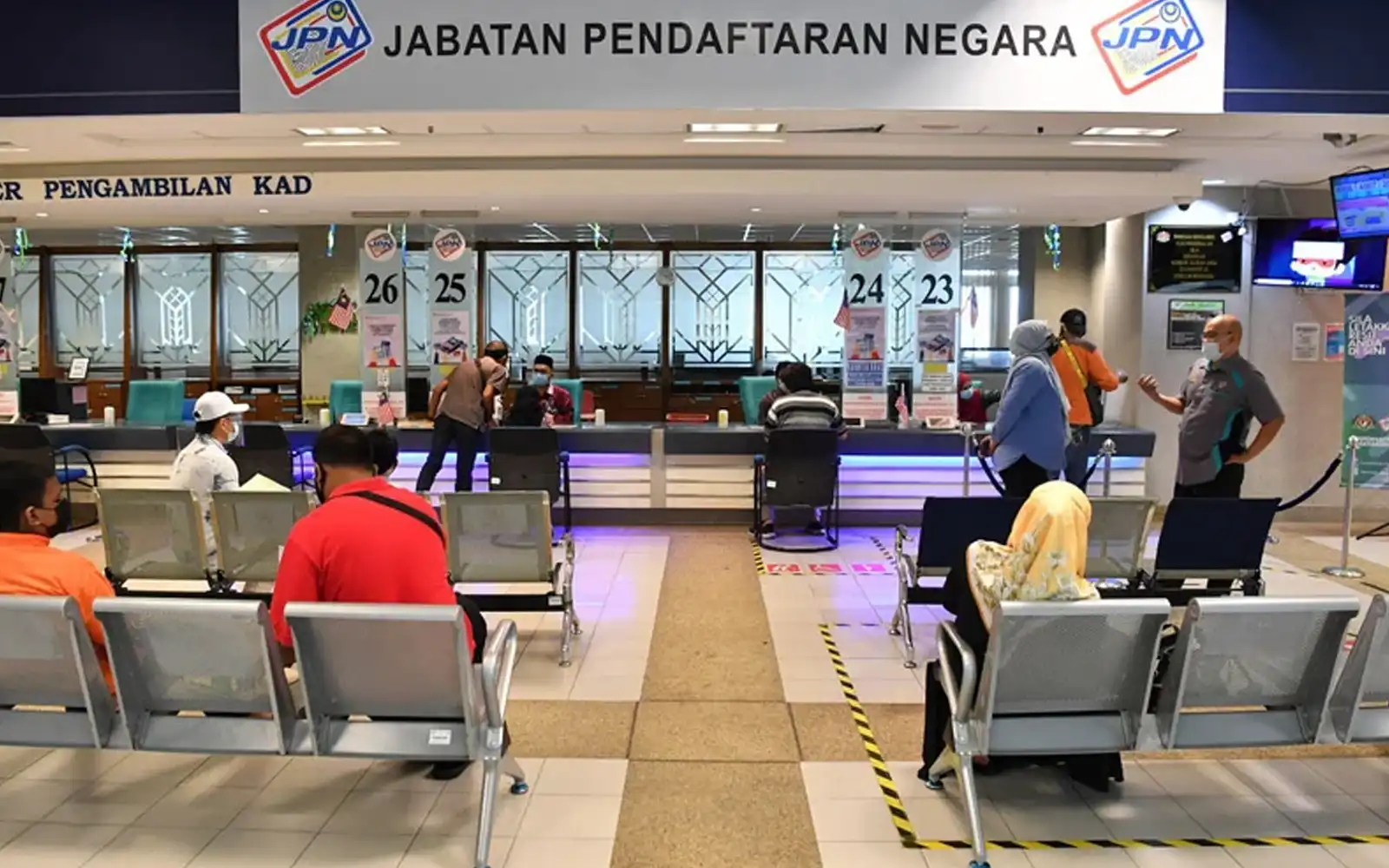
The case concerned an application by an adoptive couple, acting on their own behalf and as litigation representatives of the child, after the national registration department (JPN) removed their names as parents from the original birth record.
The couple had initially registered the child as their own before the JPN discovered they were not its biological parents. A subsequent birth certificate recorded the parental particulars as unavailable.
The second applicant (the adopted mother) was prosecuted over the false information supplied during the registration process and punished accordingly. The couple later obtained an adoption order.
However, the child was listed by JPN as a non-citizen.
Susayan ruled that the child qualified for citizenship under Section 1(a) of Part II, read with Section 19B of Part III of the Federal Constitution’s Second Schedule, which provides a presumption for newborn children found abandoned.
He said the provision must be interpreted broadly to protect abandoned newborns whose biological parents cannot be traced.
“The child should not bear the consequences of both the adults’ wrongdoing and an inconclusive investigation,” he said.
The judge also found that the child qualified under Section 1(e), as there was no evidence to show it was a citizen of another country or had acquired foreign citizenship within one year of birth.
He rejected the government’s contention that the onus was on the couple to prove that the child was not a citizen of any other country.
The court ordered JPN and government to rectify the child’s birth records and issue a birth certificate and MyKad reflecting its Malaysian citizenship within 30 days.
Agalya Munusamy and Kritika Padmanapan appeared for the adopted parents, while senior federal counsel Norazlinawati Arshad represented the government.
Subscribe to our newsletter and get news delivered to your mailbox.
KioskNews shows a cleaned-up reading view extracted from the publisher’s page — the original always lives on their site, not ours.