Prime Video's 16-Episode Sci-Fi Masterpiece Deserves Kudos For Making Video Game Adaptations Look Easy

Ben Sherlock is a Tomatometer-approved film and TV critic who runs the massively underrated YouTube channel I Got Touched at the Cinema. Before working at Screen Rant, Ben wrote for Game Rant, Taste of Cinema, Comic Book Resources, and BabbleTop. He's also an indie filmmaker, a standup comedian, and an alumnus of the School of Rock.
Over the past couple of years, shows like Arcane and Cyberpunk: Edgerunners have broken the video game adaptation curse. Going back to Bob Hoskins’ Mario movie and Dwayne Johnson’s FPS-styled Doom movie and Angelina Jolie’s Tomb Raider movies, video game adaptations have been notoriously terrible for about as long as they’ve been getting made. The immersive, firsthand experience of a video game is tough to translate into the more hands-off, third-person experience of a movie or TV show.
But in recent years, the adapters of video games have finally figured out how to do it. Older video game adaptations have made one of two mistakes: offering a diluted version of the original gameplay without a controller, or deviating so wildly from the source material that it no longer resembles the same thing. Shows like Fallout and The Last of Us have fixed those problems. They’re faithful enough to the games to please fans, but different enough to justify their own existence and pull in new fans who aren’t familiar with the source material.
The writers of both Fallout and The Last of Us have used the freedom of the TV medium to flesh out the characters and expand the worldbuilding of the original video games. Both Prime Video’s Fallout series and HBO’s Last of Us series have successfully turned a beloved post-apocalyptic video game franchise into a prestige TV drama, but the former is even more impressive than the latter.
Fallout bested The Last of Us when it survived the sophomore slump. The Last of Us fell apart in its second season, as it sanitized Ellie’s story and gave away crucial plot twists much too soon, but Fallout delivered an awesome season 2. But Fallout was already more impressive than The Last of Us, because the Fallout games were much trickier to translate into live-action.
The Last Of Us Was Much Easier To Adapt For Television Than Fallout

The TV adaptations of Fallout and The Last of Us both deserve their flowers, but one was much easier to translate into a new medium than the other. The Last of Us was already tailor-made for a film or television adaptation: its plot is linear and episodic, its story and characters are even stronger than its action and gameplay, and the cutscenes are so well-written and so well-acted and dripping with so much rich subtext that they already felt like watching an HBO drama (a lot of those cutscenes survived the adaptation process verbatim, because there was no room for improvement).
The Last of Us games keep their audience on straight rails, following a single predetermined narrative. But the Fallout games are much more flexible. Whereas The Last of Us games are steadfastly story-driven, the Fallout games are sprawling RPGs allowing the player to create their own character and choose their own adventure. The Last of Us showrunner Craig Mazin just has to do what the games did and not mess it up, but Fallout creators Jonathan Nolan and Lisa Joy faced a much bigger challenge adapting their post-apocalyptic gaming franchise.
Whereas the story of The Last of Us games is the exact same for everyone, the story of each Fallout game depends entirely on the player’s individual choices. Everyone’s Fallout experience is different, and Nolan and Joy had to figure out a way to collate all those different Fallout experiences into a single, cohesive, linear TV drama.
And, somehow, they pulled it off. Nolan and Joy styled Fallout as an ensemble piece, switching between the perspectives of various different protagonists and antiheroes. Video games are locked into one character’s point of view, but television has the freedom to flit between several different P.O.V. characters. Amazon’s Fallout show jumps back and forth between the rich kids in the Vaults, the mutants on the wasteland, and the soldiers fighting a losing battle.
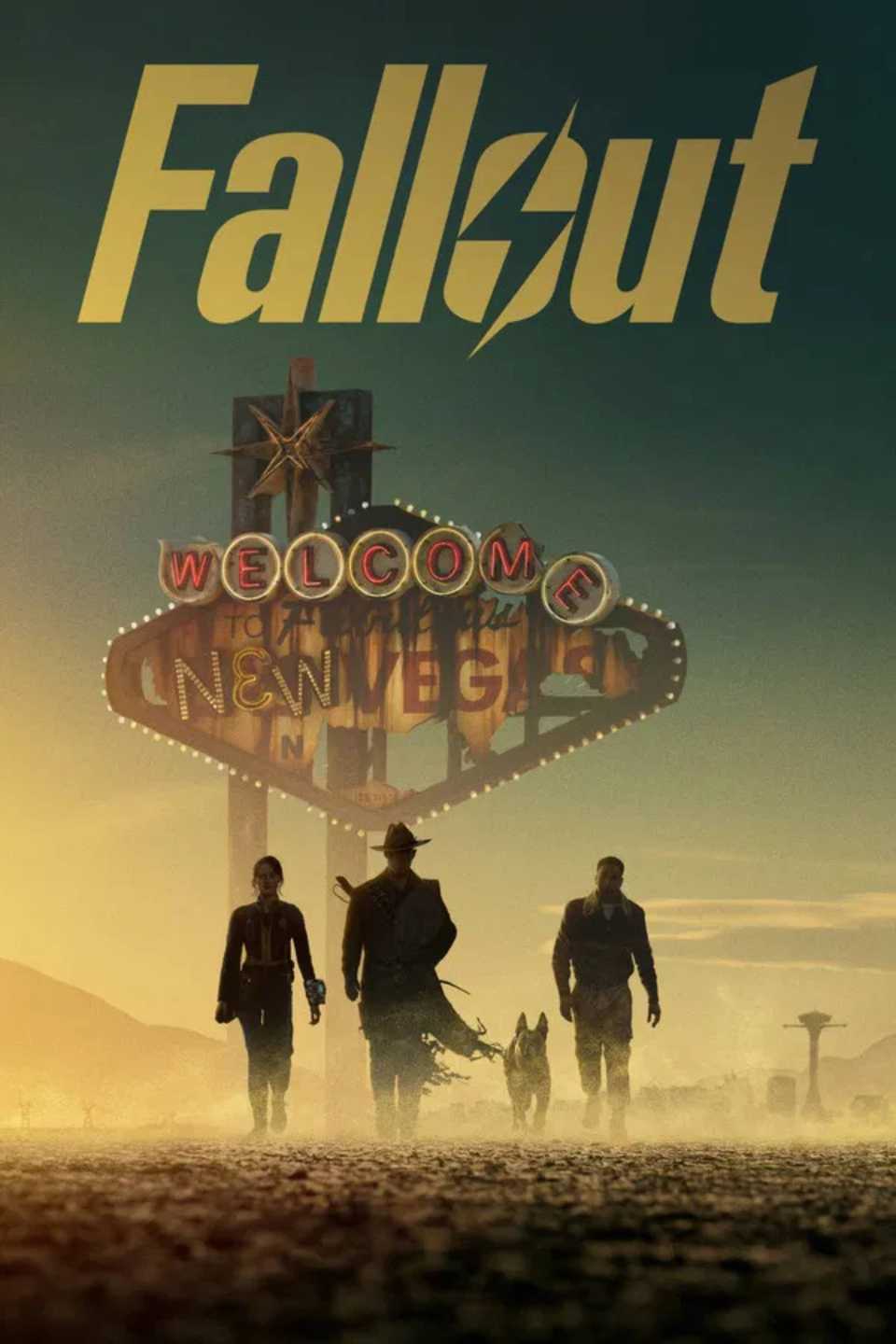
Fallout

8/10
- Release Date
- April 10, 2024
- Network
- Amazon Prime Video
- Showrunner
- Lisa Joy, Jonathan Nolan
- Directors
- Frederick E. O. Toye, Wayne Che Yip, Stephen Williams, Liz Friedlander, Jonathan Nolan, Daniel Gray Longino, Clare Kilner
KioskNews shows a cleaned-up reading view extracted from the publisher’s page — the original always lives on their site, not ours.