Who is Gadi Eisenkot, the former army chief challenging Netanyahu in Israel’s election?
Gadi Eisenkot, a former Israeli army chief, is the main challenger to Netanyahu in the October 27 election. Here is who he is and what he wants.
3 min readOct 25, 2026 09:56 AM IST First published on: Oct 25, 2026 at 09:56 AM IST
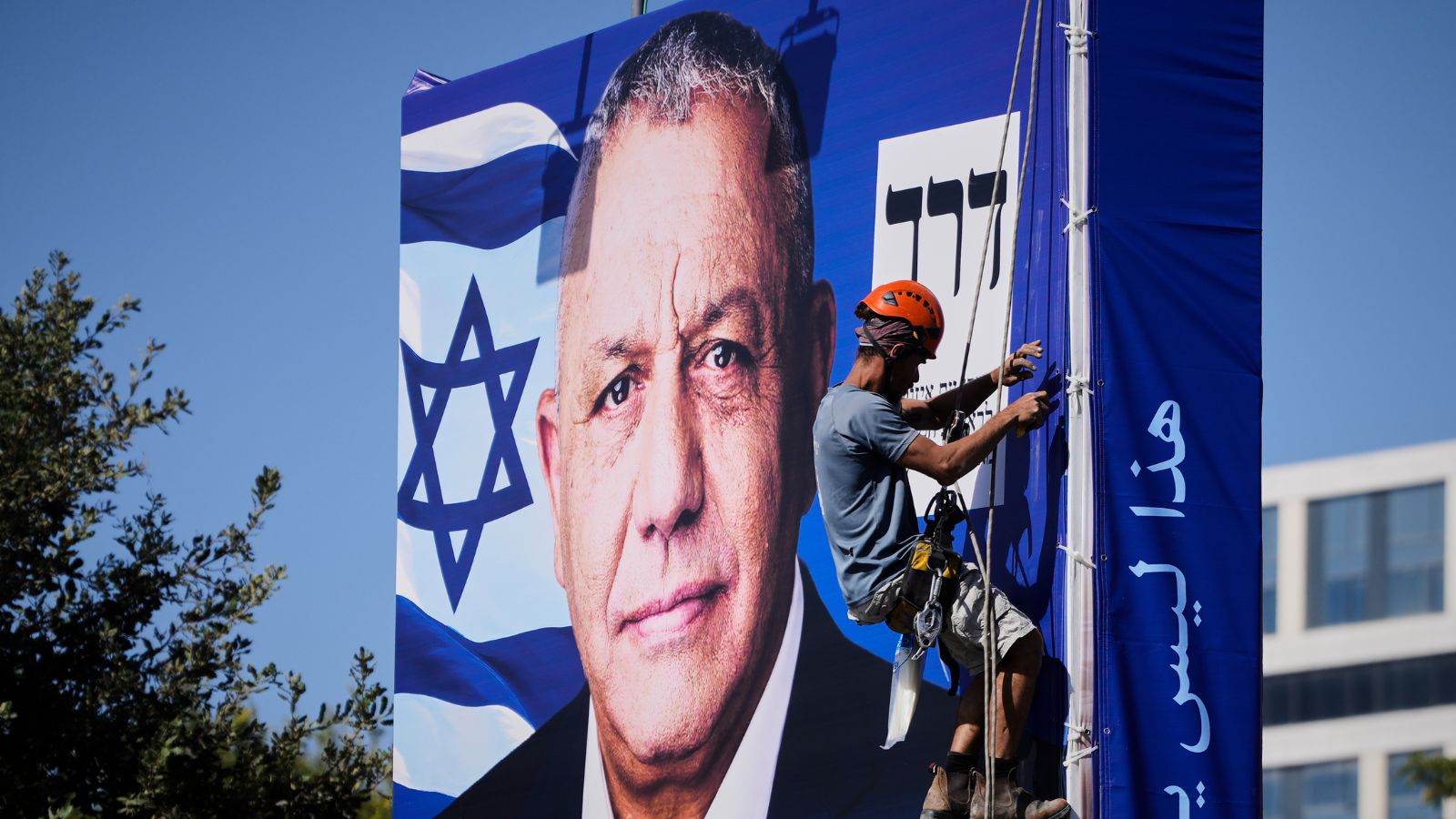
A worker hangs a campaign billboard featuring Gadi Eisenkot, leader of Yashar ("Straight") party, ahead of Israel's general election in Jerusalem. (Photo: AP)
Gadi Eisenkot, 66, a former head of the Israeli army, is the main challenger to Prime Minister Benjamin Netanyahu in Israel’s election on October 27, according to CNN. A year ago, he polled in single digits. Now most polls give his Yashar party 20 to 23 of the 120 Knesset seats, more than Netanyahu’s Likud. If elected, the son of Moroccan immigrants — Eisenkot — would be Israel’s first Mizrahi prime minister. But the most seats do not guarantee power, and polls show neither Netanyahu’s bloc nor the anti-Netanyahu bloc is on track for the 61 seats needed for a majority.
Who is Gadi Eisenkot?
Eisenkot is the second of his nine siblings and a father of five. He joined the Golani Brigade in 1978 and, after 40 years in the army, served as chief of staff from 2015 to 2019 under Netanyahu. In 2016, he backed a military trial of a soldier who shot a wounded Palestinian attacker in Hebron, despite pressure from Netanyahu and other right-wing politicians.
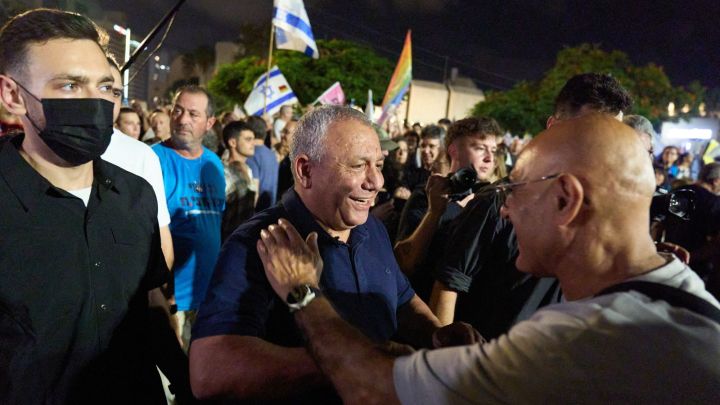
He made his political debut in 2022 with Benny Gantz. After the October 7, 2023 attack, the two joined Netanyahu’s war cabinet, but left in June 2024, saying there was no clear post-war plan. His youngest son, Gal, 25, was killed in Gaza in December 2023, and two nephews also died in combat. Eisenkot wrote in April 2026 that he swore his son’s sacrifice “would not be in vain”.
What will it take to win?
Under Israel’s system, the president gives the task of forming a government to the lawmaker most likely to build a coalition, not always the leader of the biggest party. Eisenkot’s path runs through left, right and centrist parties, and in some cases may need Arab parties.
Eisenkot says he will try to govern even without 61 seats, possibly as a minority government backed from outside by Arab parties, but right-wing parties might refuse.
Story continues below this ad
How is he different from Netanyahu?
His billboards call him “a warrior, a leader, a unifier”. He promises a state inquiry into the failures of October 7, which Netanyahu has resisted, and national service for all citizens, including ultra-Orthodox Jews, who now have broad exemptions.
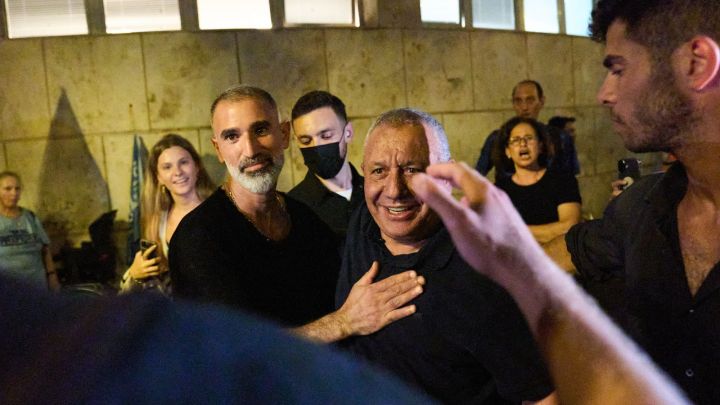
On security, he is a hawk and backed Israel’s operations in Gaza, Lebanon and Iran. He shares Netanyahu’s aim of stopping Iran from getting a nuclear weapon, but says military gains need diplomacy. On Gaza, he wants Hamas out of power within 18 months. He has called supporters of a two-state solution “delusional”, but opposes formal annexation of the West Bank and has promised to act against settler violence.
Trump gave Netanyahu his “complete and total endorsement” on Sunday and said anyone else would be a “wrong leader”. CNN said a government led by Eisenkot, without far-right partners Itamar Ben-Gvir and Bezalel Smotrich, would likely be more moderate and give Trump more room for regional diplomacy, including with Saudi Arabia.
The Express Global Desk at indianexpress.com which delivers authoritative, verified, and context-driven coverage of key international developments shaping global politics, policy, and migration trends. The desk focuses on stories with direct relevance for Indian and global audiences, combining breaking news with in-depth explainers and analysis. A major focus area of the desk is US immigration and visa policy, including developments related to student visas, work permits, permanent residency pathways, executive actions, and court rulings. The Global Desk also closely tracks Canada’s immigration, visa, and study policies, covering changes to study permits, post-study work options, permanent residence programmes, and regulatory updates affecting migrants and international students. All reporting from the Global Desk adheres to The Indian Express’ editorial standards, relying on official data, government notifications, court documents, and on-record sources. The desk prioritises clarity, accuracy, and accountability, ensuring readers can navigate complex global systems with confidence. Core Team The Express Global Desk is led by a team of experienced journalists and editors with deep expertise in international affairs and migration policy: Aniruddha Dhar – Senior Assistant Editor with extensive experience in global affairs, international politics, and editorial leadership. Nischai Vats – Deputy Copy Editor specialising in US politics, US visa and immigration policy, and policy-driven international coverage. Mashkoora Khan – Sub-editor focusing on global developments, with a strong emphasis on Canada visa, immigration, and study-related policy coverage. ... Read More
KioskNews shows a cleaned-up reading view extracted from the publisher’s page — the original always lives on their site, not ours.