Chances are, US-China truce will be extended at Shenzhen Apec summit
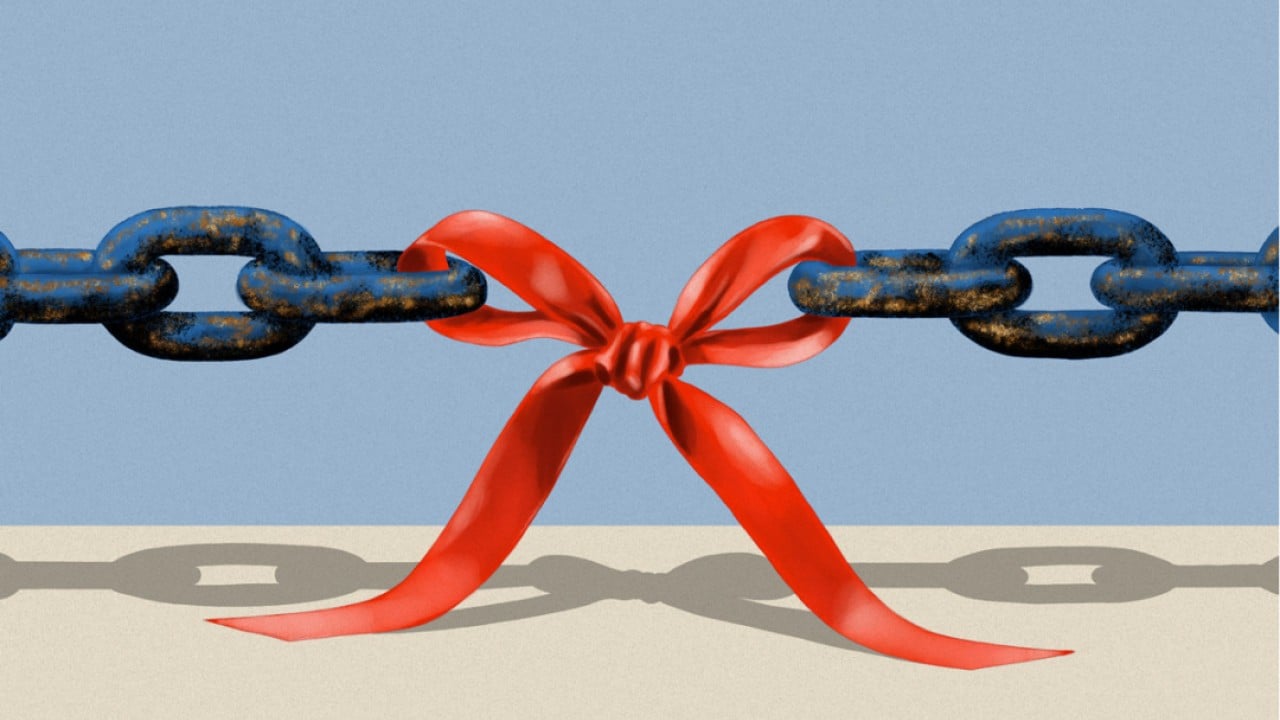
At their October meeting in South Korea last year, US President Donald Trump and Chinese President Xi Jinping, recognising mutual vulnerability to export restrictions, agreed to suspend some of the most draconian measures they had imposed on each other: US port fees on Chinese-built vessels and Chinese export controls on rare earths. They also announced further summit-level talks.
The leaders have since met twice: Trump visited Beijing in May, Xi visited Washington in September. They are expected to meet again at the Asia-Pacific Economic Cooperation (Apec) summit in Shenzhen later this month.
Some analysts have proclaimed the arrival of strategic empathy, perhaps even cooperation. Yet the reality hardly warrants such optimism. China remains the rising power and the United States the power in relative decline.
Political scientist Graham Allison famously described this predicament as the “Thucydides Trap”, drawing an analogy with Athens and Sparta. Just as the rise of Athens relative to Sparta led to the Peloponnesian War, so might China’s growing power bring it into conflict with America.
Allison, however, overlooked the role of political leadership in the formulation of grand strategy, and thus in determining the intensity of competition. King Archidamus of Sparta, recognising that the city state could not impose its objectives on Athens through a land campaign alone, advocated peace, the development of naval power and renewed negotiations with Athens at a later stage, when the relative balance of power would be more favourable to Sparta.
Unfortunately for ancient Greece, Archidamus, whom Thucydides described as a prudent statesman, lost the argument to the demagogic ephor Sthenelaidas, who demanded immediate war.
Xi cites Thucydides trap to Trump during summit
Today, total war between nuclear powers would be suicidal. Washington and Beijing must decide how intensively to compete below the threshold of direct military confrontation.
Yet the spectrum of competition below that threshold is wide. At its aggressive end lie proxy wars, operations designed to undermine domestic political order, unattributed sabotage and efforts to weaken a rival’s commercial position in strategically important sectors.
Think of the exclusion of Hong Kong-based CK Hutchison Holdings from Panama’s ports and the cancellation of contracts involving Chinese oil companies in Venezuela. Two nuclear powers possessing credible second-strike capabilities may avoid direct war without eliminating intense conflict in the grey zone.
For now, both appear to have chosen the less confrontational end of that spectrum, ushering in a period of detente. Its durability will depend on whether they can reduce their economic vulnerabilities – the US in rare earths and China in advanced semiconductors – and whether their leaders can agree on the “vital core interests” each must respect.
China attempted this in 2013. At the Sunnylands summit, Xi proposed to then US president Barack Obama that the two countries respect each other’s vital interests under a “new model of major country relationships”. Although Obama initially appeared receptive, the American foreign policy establishment ultimately persuaded him to reject the proposal.
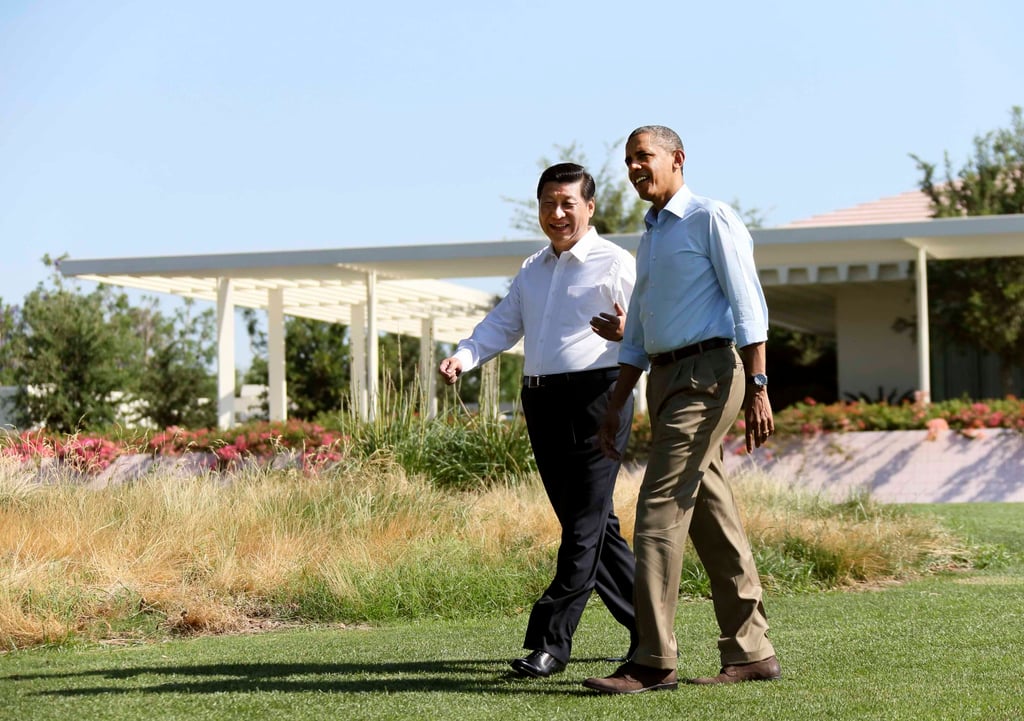
Today, Beijing appears to have revived the spirit of that proposal, seeing an opportunity with Trump.
SCMP Plus is a new premium news platform that gives you an
all-inclusive edge to stay ahead on China news.
To access our exclusive content you’ll need to subscribe.
Already a subscriber?
LOG IN
Trump’s statements on Taiwan, which he increasingly appears to regard as a bargaining chip, have unsettled the American foreign policy establishment. In September, Xi asked Trump to oppose Taiwan independence, rather than maintain Washington’s formulation that it does not support Taiwan independence.
Trump has not endorsed Beijing’s formulation. Yet in a recent Fox News interview, he remarked: “If we had smart presidents, the Taiwan problem with China wouldn’t exist. Nobody would care.”
More significantly, Trump appears to be using arms sales to Taiwan as a bargaining instrument, stalling a US$14 billion arms package that has passed congressional scrutiny. Any Trump-Xi agreement could, however, prove short-lived. The shift in Congress next year or a new White House occupant could restore the status quo ante.
In any event, the relationship between the US and Chinese leaders will be critical to consolidating the detente and developing cooperation on issues, especially nuclear non-proliferation and the establishment of a regulatory framework for artificial intelligence.
An easing of Sino-American competition would also offer breathing space to countries caught between the two giants.
Greece provides a telling example. A maritime nation, Greece faced pressure when Washington announced port fees on Chinese-built vessels and intensified efforts to undermine Chinese state-owned shipping giant Cosco’s investments at the port of Piraeus. The US-China October truce brought relief to Greece’s shipping industry. The Greek government also managed to cooperate with its American ally on the development of Elefsina port.
The Shenzhen meeting could consolidate this geoeconomic truce. There is, however, a danger.
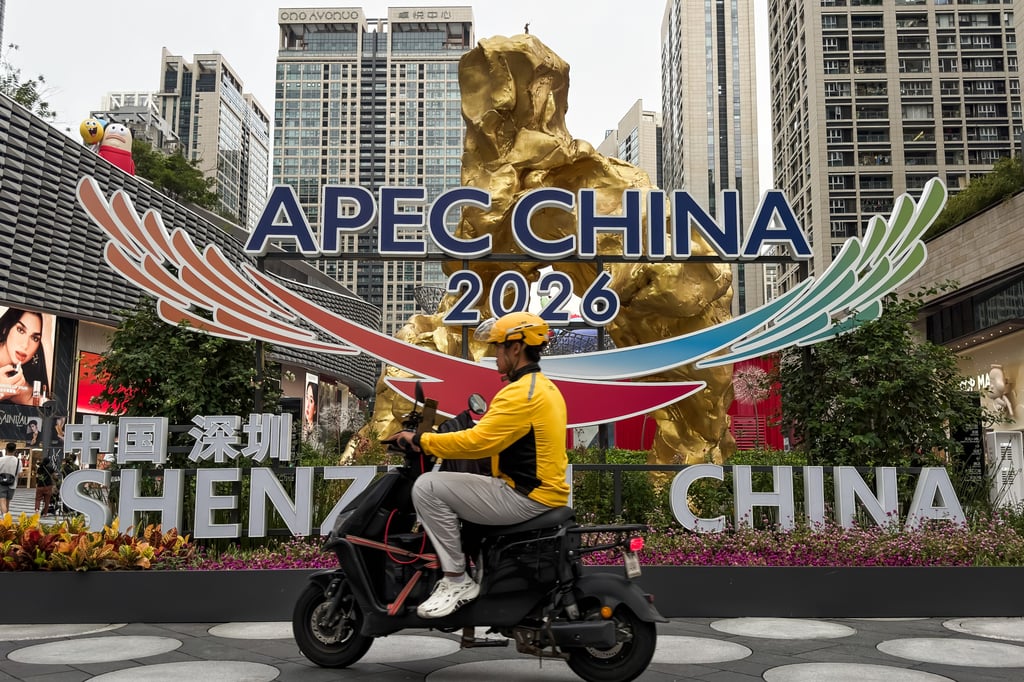
Shenzhen is the powerhouse of China’s technology industry. Huawei Technologies, a global leader in 5G telecommunications, DJI, which commands more than 70 per cent of the global civilian drone market, and electric-vehicle giant BYD are all headquartered in the city.
Its skyline, futuristic skyscrapers and spectacular drone light shows give the impression the future is already unfolding in China’s Pearl River Delta. Such a spectacle might unsettle Trump and the American delegation. Until recently, senior American officials were describing China as a power in decline.
According to Thucydides, fear in Sparta generated by the rise of Athenian power was the decisive psychological factor leading to war.
Yet Trump has shown that he respects power and seeks friendly relations with powerful leaders. Perhaps they are the only ones he considers his equals.
Russian President Vladimir Putin, also expected in Shenzhen, sees an opportunity and has proposed a US-Russia-China meeting. Putin reportedly aspires to revive the logic of Yalta, with great powers negotiating their respective spheres of influence.
Europe is absent. Not at the table, it may well be on the menu.
KioskNews shows a cleaned-up reading view extracted from the publisher’s page — the original always lives on their site, not ours.