9 Best Novels Based On Video Games

Tom is a Senior Staff Writer at Screen Rant, with expertise covering everything from hilarious sitcoms to jaw-dropping sci-fi epics.
Initially he was an Updates writer, though before long he found his way to the TV and movies team. He now spends his days keeping Screen Rant readers informed about the TV shows of yesteryear, whether it's recommending hidden gems that may have been missed by genre fans or deep diving into ways your favorite shows have (or haven't) stood the test of time.
Tom is based in the UK and when he's not writing about TV shows, he's watching them. He's also an avid horror fiction writer, gamer, and has a Dungeons and Dragons habit that he tries (and fails) to keep in check.
Video game novelizations are a hugely underappreciated medium among gamers and readers alike. Movies and TV shows based on games are finally enjoying something of a golden era, with adaptations increasingly matching the quality and appeal of their source material. However, novels based on video games have been flourishing for decades, quietly proving that interactive worlds can be just as satisfying when there’s no screen or controller to be seen.
The best video game novels also offer far more than recognizable references and nods to names and places that only gamers will understand. Many significantly expand their game's lore, world building, and characters while remaining riveting reads in their own right. Far from being simple attempts to cash in on an existing property, the best videogame novelizations are all solid books that have much more to offer than simple fanservice.
9 Resident Evil: The Umbrella Conspiracy By S.D. Perry (1998)
The Spencer Mansion Becomes An Even More Claustrophobic Nightmare On The Page

Few video games seem less suited to a straightforward novelization than the original Resident Evil. Much of the 1996 survival-horror classic's appeal comes from solving puzzles, conserving ammunition, and gradually discovering exactly what Umbrella was up to in the facility beneath the Spencer Mansion. Somehow, S.D. Perry's 1998 novel The Umbrella Conspiracy translates that experience surprisingly well by turning the first Resident Evil game's relatively sparse story into a full horror narrative while still capturing the essence of the player experience.
The first Resident Evil novel broadly retells the original game's events, following S.T.A.R.S. members Chris Redfield and Jill Valentine as they investigate the mansion and uncover the T-virus experiments hidden beneath it. S.D. Perry adds characterization, internal perspectives, and original material, making the conspiracy feel more substantial without losing the game's suffocating atmosphere (or, at times, its quirkiness, such as Barry’s infamous “Jill sandwich” line). Better still, The Umbrella Conspiracy became part of Perry's larger Resident Evil novel series, which mixes adaptations with original stories across seven books.
8 Assassin’s Creed: Brotherhood By Oliver Bowden (2010)
Ezio's War Against The Borgias Gains More Historical Weight

Ezio Auditore's story was already unusually rich for an action game, but the novelization of Assassin's Creed: Brotherhood turns it into the foundation of a full-blown historical adventure novel. Oliver Bowden's adaptation follows Ezio's campaign against Cesare Borgia and the Templars in Renaissance Rome, covering the broad narrative of the 2010 game while putting considerably more emphasis on the people and politics surrounding its central conflict.
Removing the need to sprint across rooftops and liberate districts inevitably changes the experience, but it also gives the story room to breathe. Ezio's responsibilities and evolution into a leader of the Assassin Brotherhood flourish with greater narrative attention, while Renaissance Italy becomes more than an elaborate playground for assassination missions. Bowden wrote numerous Assassin's Creed novels, including Renaissance, Revelations, and Forsaken, but Brotherhood is the peak of the franchise on the page, weaving historical intrigue and conspiracy fiction into a story that’s satisfying even to those who’ve never played an Assassin’s Creed game.
7 Ico: Castle In The Mist By Miyuki Miyabe (2011)
The Minimalist Fantasy Of A PS2 Classic Becomes A Much Bigger Dark Fairy Tale
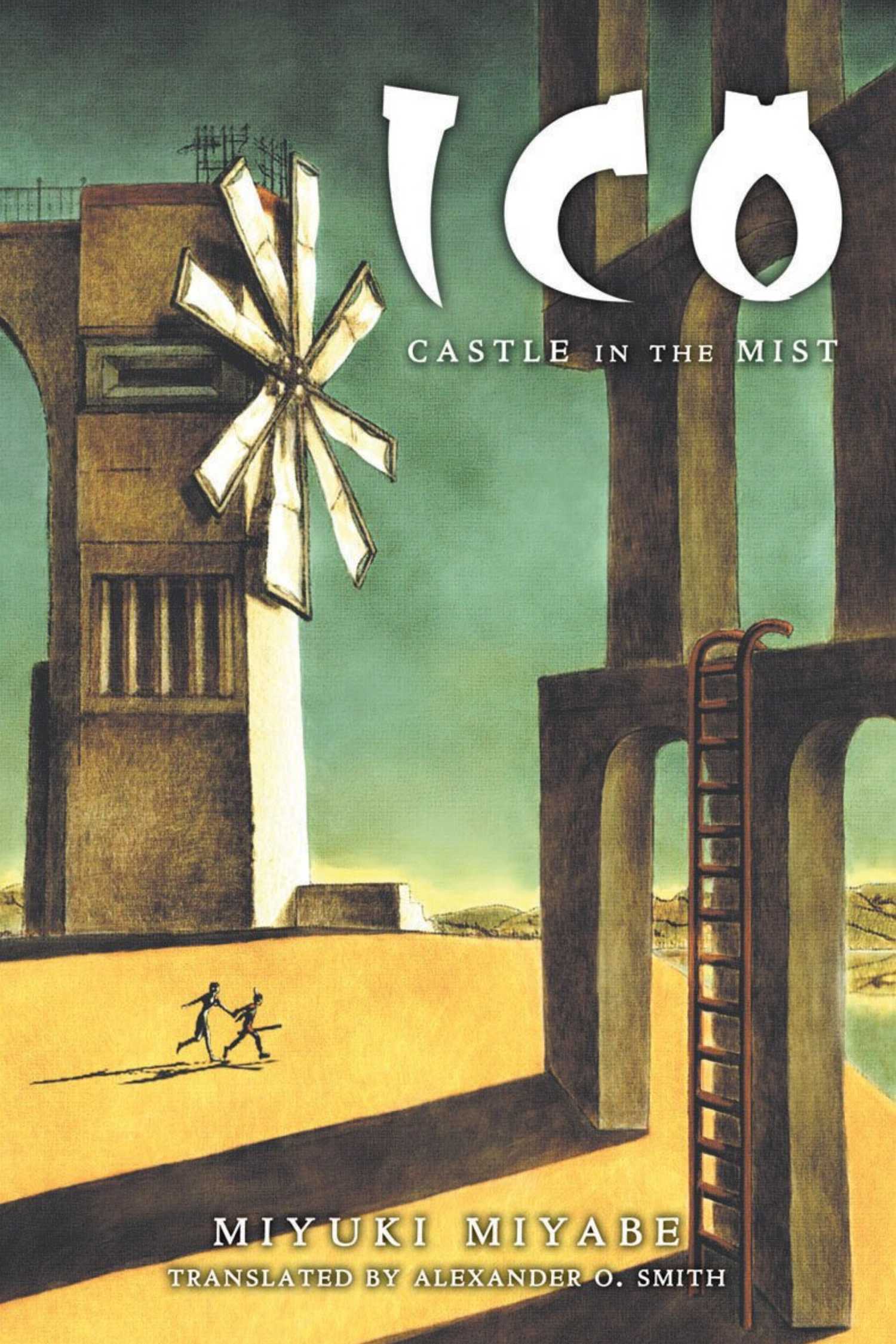
A cult classic on the PS2, 2001’s Ico deliberately explains remarkably little. Its enormous castle, mysterious Queen, and horned protagonist are presented with a minimalist approach that creates the feeling of a half-remembered fairy tale. That ambiguity is central to the game's identity, meaning famed Japanese author Miyuki Miyabe faced the difficult task of expanding its mythology without destroying the mystery that made the PlayStation classic so compelling.
2011’s Ico: Castle in the Mist succeeds by treating the game as inspiration rather than something that must be rigidly transcribed. Miyabe substantially expands Ico's history and the surrounding mythology, creating a sprawling fantasy story from material that was intentionally understated on screen. The result feels almost like folklore that existed before the game itself. Unlike many novels based on video games, it doesn't require extensive familiarity with its source material, either. It's a haunting standalone fantasy novel whose melancholic atmosphere ensures that, despite all its additions, it still feels unmistakably like Ico.
6 Gears Of War: Aspho Fields By Karen Traviss (2008)
The Locust War Feels More Human Away From The Battlefield

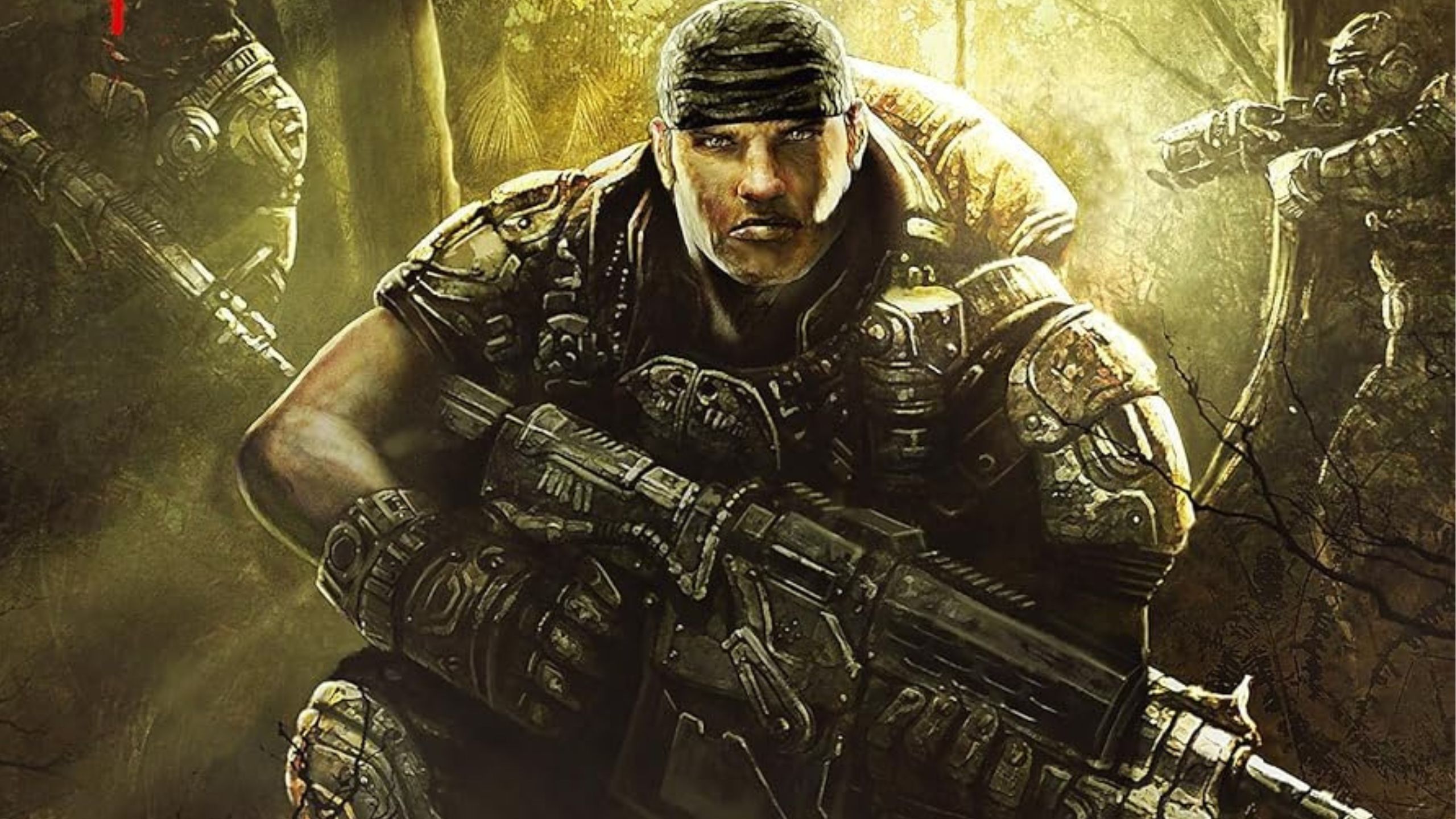
Gears of War may be famous for chainsaw bayonets and muscular soldiers fighting subterranean monsters, but author Karen Traviss recognized back in 2008 that its universe had considerably more dramatic potential. Gears of War: Aspho Fields takes place between the first and second games. However, it also expands earlier events in the timeline, exploring the Pendulum Wars and the battle that gave the novel its title through the memories of Marcus Fenix and his fellow Gears.
That expanded perspective transforms events that could have remained background Gears of War lore into personal history. The friendship between Marcus and Dominic Santiago becomes more textured, while Carlos Santiago's story gives Dom's family history considerably more emotional weight. Traviss subsequently wrote several more Gears of War novels, but Aspho Fields is where the book series starts and, for many fans, remains the highpoint. It’s a great military sci-fi novel in its own right, and proved that, for a franchise that focuses on spectacle and gameplay, the world of Gears of War has a surprising amount of substance.
5 Dead Space: Martyr By Brian Evenson (2010)
Dead Space's Most Important Religious Mystery Becomes Cosmic Horror

A screen and controller definitely aren’t required for the Dead Space universe to be terrifying, and this 2010 novel by author Brian Evenson proves it. Dead Space: Martyr takes place centuries before the games, focusing on geophysicist Michael Altman and humanity's discovery of the Black Marker. Anyone familiar with Dead Space immediately knows the implications, but Evenson turns the fact that readers already know what’s coming into a source of dread rather than allowing it to undermine the book’s central mystery.
At its core, Martyr explores one of the games' biggest pieces of background mythology: Altman's connection to Unitology. The interstellar doomsday cult is incredibly important in the Dead Space games, and the novel reveals far more about its origins. Evenson's skills as a horror writer ensure that Dead Space: Martyr works as a bleak cosmic-horror novel about obsession, institutional secrecy, and contact with something humanity cannot properly comprehend. It’s Lovecraftian sci-fi horror at its finest, to the point that the fact it’s based on a video game feels almost coincidental.
4 Bioshock: Rapture By John Shirley (2011)
Rapture's Collapse Is Even More Fascinating Than Exploring Its Ruins

Few game franchises have a setting as iconic or curiosity-inspiring as Bioshock and Bioshock 2. However, by the time Jack reaches Rapture in the first game, Andrew Ryan's underwater utopia is already dead. Audio diaries and environmental details allow players to reconstruct what happened, but the city's destruction largely belongs to the past. This is why John Shirley's BioShock: Rapture should be considered essential reading. It turns that background tragedy into the main event, chronicling Rapture's construction, rise, ideological fractures, and eventual descent into chaos with incredible depth.
Bioshock: Rapture turns familiar figures like Frank Fontaine, Brigid Tenenbaum, and Sander Cohen into active participants in Rapture’s downfall rather than collectable voice notes or bosses to defeat. What’s more, the true terror of being trapped beneath the sea during the emergence of Splicers can be properly experienced without the safety of Vita-Chambers to respawn in. The destructive ending may be a foregone conclusion for those who’ve played the games, but knowing that Rapture will eventually fall doesn’t make the story of its collapse any less satisfying.
3 Mass Effect: Revelation By Drew Karpyshyn (2007)
An Iconic Gaming Galaxy Was Expanding Before Commander Shepard Even Arrived

Published shortly before the original Mass Effect, Revelation wasn't created simply to reproduce Commander Shepard's adventure in prose. Instead, Drew Karpyshyn (one of the game's lead writers) used the novel to establish important history surrounding David Anderson, Saren Arterius, and humanity's still relatively new position within Citadel space. Its central mystery begins with an attack on a human research facility, eventually drawing Anderson into a conspiracy with much larger consequences.
The result is part science-fiction thriller and part enormously effective piece of worldbuilding. Moments and concepts that players encounter as historical in Mass Effect gain context, particularly Anderson and Saren's relationship and the tensions between humanity and the wider galactic community. Even separated from the games, however, the mix of investigation and political tensions make Revelation a fast-moving space-opera thriller that will appeal to any sci-fi reader. Revelation also launched a larger run of novels, with Karpyshyn continuing the story with three additional Mass Effect books.
2 Minecraft: The Island By Max Brooks (2017)
A Narrative-Free Sandbox Becomes The Foundation For A Clever Survival Novel

Part of the beauty of Minecraft is that it doesn’t have a narrative. It’s a true creative sandbox. While this is great for players, it also means there isn't an obvious Minecraft story to adapt. However, World War Z author Max Brooks weaponized this as his 2017 novel The Island's greatest advantage. Essentially, Brooks turned the experience of playing Minecraft into the story itself. An unnamed narrator awakens alone in a strange block-based world and has to learn its rules through experimentation, failure, and some extremely dangerous encounters with the creatures that emerge after sunset.
By taking the game's familiar mechanics seriously, Max Brooks took the narrative-less Minecraft and forged an incredibly entertaining story from it. Crafting, hunger, shelter, and resource gathering become genuine survival problems. The Island is also incredibly accessible to younger readers but not at the expense of depth, as its exploration of the importance of persistence and adaptation to problem-solving make for a truly exciting read. It also spawned follow-ups, including Brooks' Minecraft: The Mountain and Minecraft: The Village, turning the seemingly plotless sandbox into an unexpectedly effective series of literary survival adventures.
1 Halo: The Fall Of Reach By Eric Nylund (2001)
Master Chief's Origin Turned A Fledgling FPS Franchise Into The Vast Sci-Fi Universe It Became

The Halo novels have been demonstrating for decades just how suited games are for literary adaptations, and few capture why quite like The Fall of Reach. Eric Nylund's book was originally published in 2001 shortly before Halo: Combat Evolved, and instead of merely retelling the game's campaign, it dramatically expanded the universe surrounding it. The novel traces John-117's journey from a child selected for the SPARTAN-II program through his brutal training and military career, while humanity's war against the Covenant moves toward the devastating battle for Reach.
Eric Nylund transformed Master Chief from an intentionally blank player avatar into a figure with psychological depth (a quality he’d gain in later games but, during the first, was absent). Both Master Chief and the world around him receive additional context that helped establish Halo as a sci-fi universe capable of supporting more than a series of first person shooters. Literally dozens of Halo novels followed, with Nylund himself writing 2003’s First Strike and 2006’s Ghosts of Onyx. Few video game novelizations have been more influential: The Fall of Reach didn't simply expand Halo lore, it helped prove that games could be the perfect inspiration for rich and rewarding reading experiences.
KioskNews shows a cleaned-up reading view extracted from the publisher’s page — the original always lives on their site, not ours.