Boom in weight-loss drugs could lead to fall in beer sales, Heineken warns UK pubs
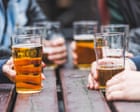
Heineken has warned British bars and pubs that the boom in popularity of weight-loss drugs could lead to a fall in sales of beer and cider.
The world’s second largest brewer sent a presentation to British hospitality customers earlier this month warning that GLP-1 use – led by Ozempic and Wegovy – can reduce the desire to drink alcohol, which could lead to “fullness and fewer serves” of pints in pubs and bars.
The document, revealed by Reuters, warned that the GLP-1 era could lead to the tradition of the multi-pint drinking session becoming a less frequent occurrence.
The Netherlands-headquartered company offered advice including promoting half pints, low- and zero-alcohol options and pairing drinks with small plates of food, or risk declines in customer visits and spending.
GLP-1 use has soared as consumers seek a quick, easy solution to rapid weight loss, with 10 million people turning to medication in the US last year, according to research by JP Morgan.
Heineken, the world’s second largest brewer after AB InBev, said the presentation was shared with customers as part of its regular engagement with UK businesses to help them understand how consumer habits are evolving.
“We see some changes in consumption behaviour among (GLP-1) users and will continue to monitor how these behaviours evolve in 2027,” the company told Reuters.
Trends the brewer has identified in GLP-1 users include opting for smaller serves, lower alcohol drinks and more premium products, which Heineken said also aligns with broader changes in the market as the habits of younger generations change.
As well as its eponymous lager, Heineken also owns brands such as Amstel, the Mexican lager Sol, and Strongbow cider.
The Guinness maker, Diageo, has told investors that any impact from GLP-1 drugs becoming mainstream should be manageable, while Carlsberg told Reuters that data did not currently support the view that the use of weight-loss drugs affected beer consumption trends.
after newsletter promotion
However, surveys by research companies including Circana, NIQ and KAM have pointed to reduced drinking by GLP-1 users.
According to Heineken, there was almost £14bn in sales of beer in British pubs, bars and restaurants in the year to February, with less than £300m of that from no- and low-alcohol products.
KioskNews shows a cleaned-up reading view extracted from the publisher’s page — the original always lives on their site, not ours.