Hong Kong mother spared trial over neglect of chronically underweight daughter
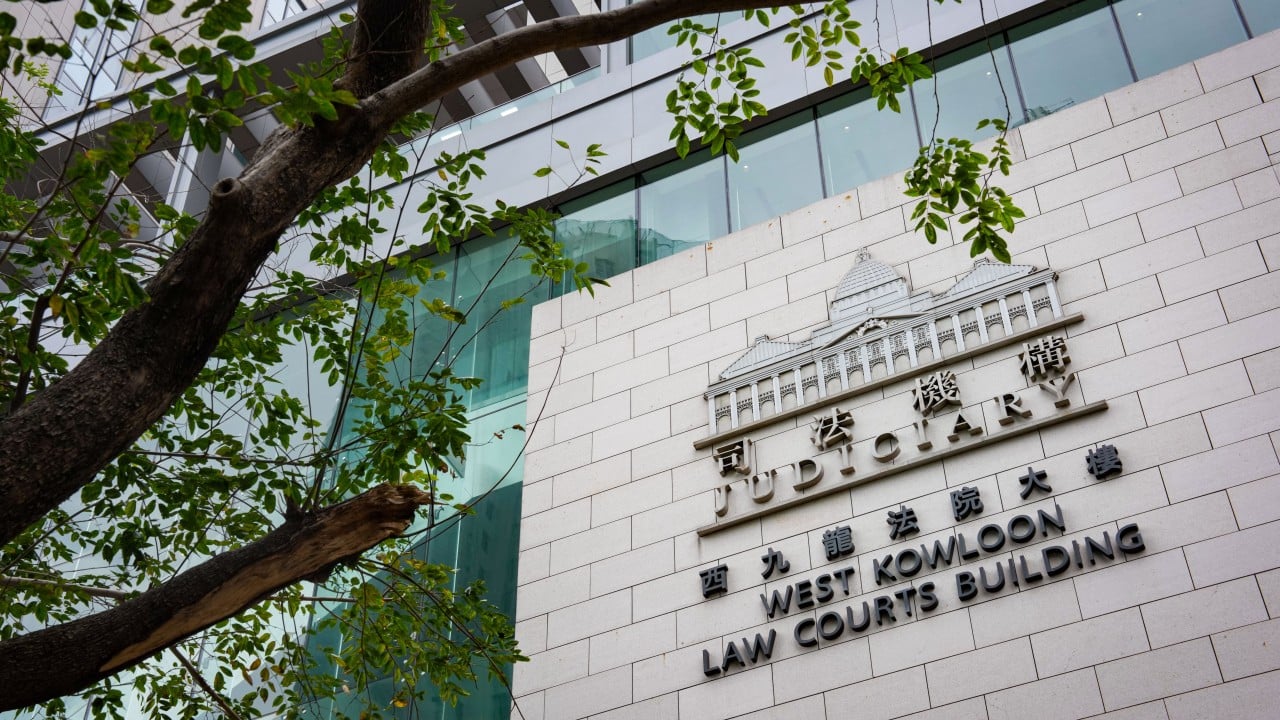
A Hong Kong mother accused of neglecting her 12-year-old daughter who had been chronically underweight has been spared trial as the prosecution agreed to place her on a good behaviour bond, with the justice department saying public interest is generally a key factor in such decisions.
The South China Morning Post has learned that prosecutors at West Kowloon Court dropped a child abuse charge against the 53-year-old housewife earlier this month in exchange for her agreeing to a three-year bind-over order.
Her daughter dropped from 24.9kg to 20.9kg (55lbs to 46lbs) from March to April in 2023. The mother admitted she sometimes failed to follow doctor’s advice and feed her daughter three times a day.
The girl’s weight at the time was about 8kg below the third percentile for her age. She had been underweight since age six, and at one point in 2021 was placed on a feeding tube in hospital.
At the hearing on October 8, the mother, who was only identified by her initials FPYC, promised not to commit any child abuse in the next three years. If she violates the bind-over order, she will have to pay HK$3,000 (US$382) and face a more serious penalty.
A summary of the facts of the case was not read out in court but was made available to the media.
According to the court documents, the girl’s school sent one of its social workers to her home in April after she had been regularly absent for months.
The social worker found the home was unsanitary and insisted on sending the girl to hospital, despite her mother’s objections. The girl stayed in hospital for more than a month.
The mother was arrested two months after her daughter was released and she was formally charged in May 2025.
The mother told police officers she “did not know how to take care of her daughter”.

The court document revealed that the girl had been under the “custody of school” upon discharge from hospital, which suggested that a Child and Protection Order had been issued by the Juvenile Court.
Such an order is pursued when law enforcement or social workers need the court’s intervention to protect a child.
The prosecutors did not identify the type of school the daughter was placed in or the care plan.
The court also did not hear an explanation from the prosecution as to why they withdrew the charge.
Without commenting on a specific case, the Department of Justice told the SCMP that it must conduct an “objective and professional analysis based on the available evidence and relevant law” when deciding whether to prosecute a case, including child abuse offences.
“Generally speaking, prosecutors will decide whether to agree to the bind-over procedure based on the actual facts of the case, the evidence and applicable law. It strictly follows the factors listed in Paragraph 10.7 of the Prosecution Code and ensures it is in the public interest,” it said.
According to the code, a bind-over arrangement is considered appropriate for first-time suspects who admit wrongdoing and pledge to be on good behaviour.
Other rationales for the order include the views of the victim and the attitude of the suspect towards their wrongdoing. Prosecutors will also consider whether the consequences of a harsher punishment for the offender would be out of proportion to the gravity of the alleged offence.
Public interest in pursuing the prosecution, the likely penalty, the age, criminal record and mental state of the suspect can also be taken into consideration.
Recently, a coach was spared from prosecution after she admitted to slapping an eight-year-old boy and ordered him to stand under the sun at a training camp in 2024.
The 51-year-old woman was originally charged with a count of ill-treatment or neglect by those in charge of a child and another of assault by a person caring for a minor.
She agreed to a three-year good behaviour bond in exchange for the charges being dropped.
KioskNews shows a cleaned-up reading view extracted from the publisher’s page — the original always lives on their site, not ours.