ASDD voters get way back to electoral rolls without Form 6, but not in all states
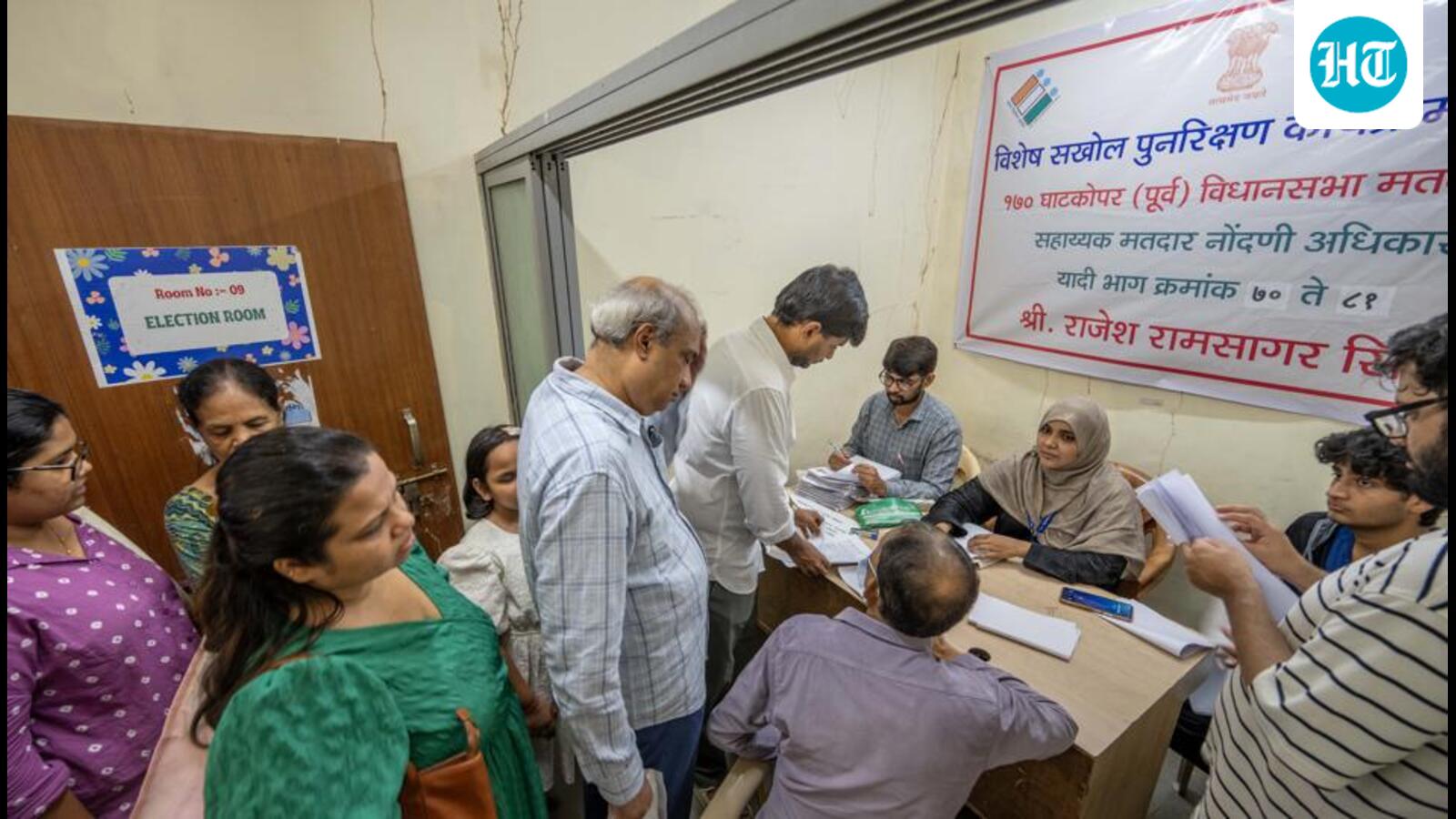
Electors marked Absent, Shifted, Dead or Duplicate (ASDD) and left out of the draft electoral rolls can now be included without filing Form 6, the standard application for new voters. In a letter dated November 6, the Election Commission of India (ECI) said such electors can submit the Special Intensive Revision (SIR) Enumeration Form along with a short signed statement in Delhi, Maharashtra, Haryana, Andhra Pradesh, Jharkhand, Telangana and Nagaland, where the revision is still underway.
It will also be applicable for those who have not filed Annexure-B explaining why they missed the earlier round. Those who shifted within the state can file Annexure-C with the new address and address proof, and do not need Form 8, which is meant for enrolled voters to update or modify their details in the electoral roll.
On October 28, the Supreme Court questioned the ECI on why deleted voters were being made to fill Form 6 to return to the rolls, and why Form 8 could not be used. A Chief Justice of India Surya Kant-led bench, hearing pleas on the Delhi SIR, noted that Form 6 is meant for first-time voters. It asked the ECI to consider accepting late enumeration forms.
This relief is not uniform.
Voters who were marked ASDD in the states during SIR Phases 1 and 2 are not being offered this route. An ECI official told HT that the panel has no plans to roll out a similar drive in those states. “The SSR [Special Summary Revision] has already been announced in those regions. We would not be launching this drive there,” the official said.
SSR is a revision for changes to existing rolls. The ECI’s October 15 SSR order covers 17 states and Union Territories, including Bihar, Uttar Pradesh, West Bengal, Tamil Nadu, Kerala and Gujarat. The draft roll is due on November 12. Claims and objections can be filed until December 11. Disposal is due by December 28. The final rolls are due on January 4.
The mechanism announced on November 6, which allows electors to use enumeration forms to get back on the rolls, works only because SIR is still ongoing in those seven states. The enumeration form is an SIR instrument, and accepted forms are slotted into a final roll that has not yet been published. In Phase 1 and 2 states, that stage is over. Phase 2, for instance, began on November 4, 2025, with enumeration running to December 4. There is no pending final roll left, so the same template cannot simply be re-run.
That explains why the same mechanism is unavailable. It does not explain why no equivalent help exists. Read in full, the SSR order does not mention ASDD electors, deleted electors, or the restoration of old EPIC numbers, the unique alphanumeric identifiers printed on every Elector Photo Identity Card. It treats the existing rolls, which in these states are SIR final rolls, as the base.
It names four instruments: Form 6 for inclusion, Form 6A for overseas electors, Form 7 for objections and deletions, and Form 8 for shifting, corrections, EPIC replacement and marking of persons with disabilities.
Form 8 is described to be filed “by the person to whom that entry relates”. A wrongly deleted elector has no entry, so on the order’s text, Form 8 does not apply to them, and the Enumeration Form is not listed anywhere. The only route the document actually provides is Form 6, filed as a fresh applicant. This means they will have to declare themselves as first-time voters, even if they are not. Something that voters in states where SIR is ongoing will not have to do.
Former Chief Election Commissioner OP Rawat said that confusion regarding these electors will clear out once the ECI issues notification regarding SSR in Phase 1 and Phase 2 states. “Actually, SSR will also entertain applications of deleted voters who have been part of ASDD lists during SIR or belonged to logical discrepancy. Which form they need to use will depend on SSR guidelines issued by the ECI,” he said.
KioskNews shows a cleaned-up reading view extracted from the publisher’s page — the original always lives on their site, not ours.