South Korean drama ‘Doctor X’ triggers fresh row over Gwangju Uprising depiction

South Korean medical drama Doctor X: Mafia in White has become the latest target of political controversy over how fictional works portray history, after a National Assembly petition demanded a halt to its airing over its depiction of the 1980 Gwangju Uprising.
The petition, posted on Saturday on the National Assembly’s petition website, calls for a review of the drama’s production and a halt to its broadcast. It has gathered the 100 supporters required to be made public. The petitioner said Episode 6, which aired on Saturday, depicted the 1980 pro-democracy movement in Gwangju despite its having no connection to the plot.
“The uprising remains a political issue, with the ruling and opposition parties and the left and right divided on some aspects,” the petitioner said. “Broadly, no one would dispute that it is a painful chapter of history, but it is hard to accept a drama abruptly using the uprising, which is still politically contested in its details.”
The episode featured a character suffering the effects of a gunshot wound to the head sustained during the uprising, along with flashbacks to Gwangju in 1980 and scenes of tear gas and bullets striking ordinary citizens.
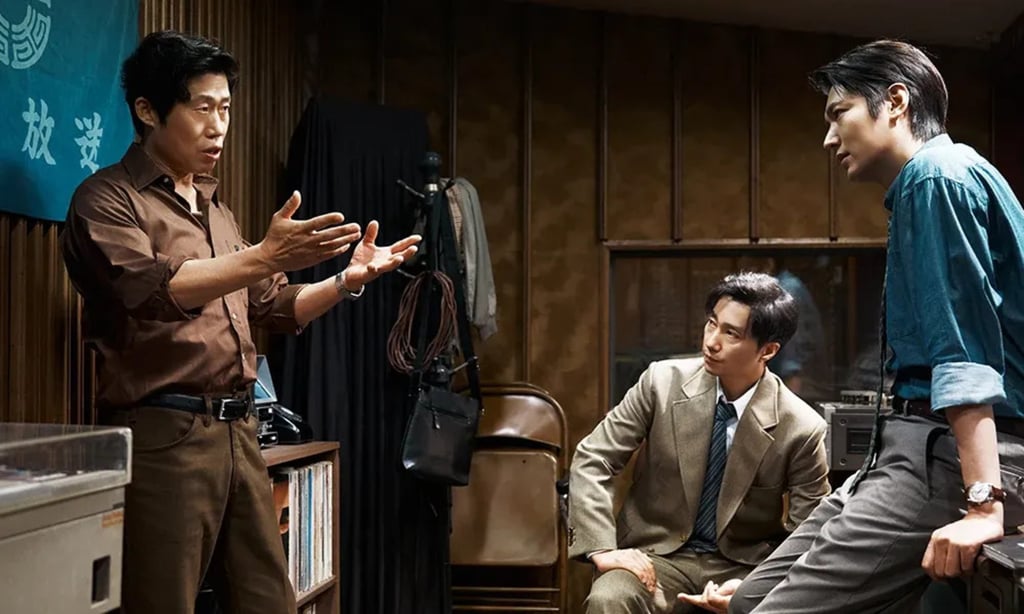
The South Korean series is an adaptation of the Japanese medical drama Doctor X: Surgeon Michiko Daimon. The Gwangju Uprising storyline does not appear in the Japanese original and was introduced by the Korean production, making it a deliberate creative choice specific to the local adaptation.
Shortly after the episode aired, Lee Ok-kyu, chief producer of the drama, posted its poster on social media with the phrase “no fear”, without elaborating.
The pro-democracy movement erupted in the southwestern city of Gwangju in 1980, when people stood up against the imposition of martial law extended nationwide by the military junta led by Chun Doo-hwan, who would become president later that year.
The crackdown left hundreds dead or missing and it has since been recognised as a pivotal moment in South Korea’s long road to democratisation, though some in far-right circles denigrate the movement.
The controversy is the latest in a string of disputes over fictional portrayals of history. Last month, director Hur Jin-ho’s historical thriller The Assassin(s) sparked a growing political dispute and defamation investigation over its depiction of the 1974 shooting that killed then first lady Yuk Young-soo.
Attempts to insult or ridicule the Gwangju Uprising have emerged, particularly this year, despite it being long recognised as a pro-democracy movement.
On May 18, Starbucks Korea launched a “Tank Day” promotion, using the phrase in a way widely condemned as denigrating the pro-democracy movement. The backlash drew responses from consumers and politicians alike.
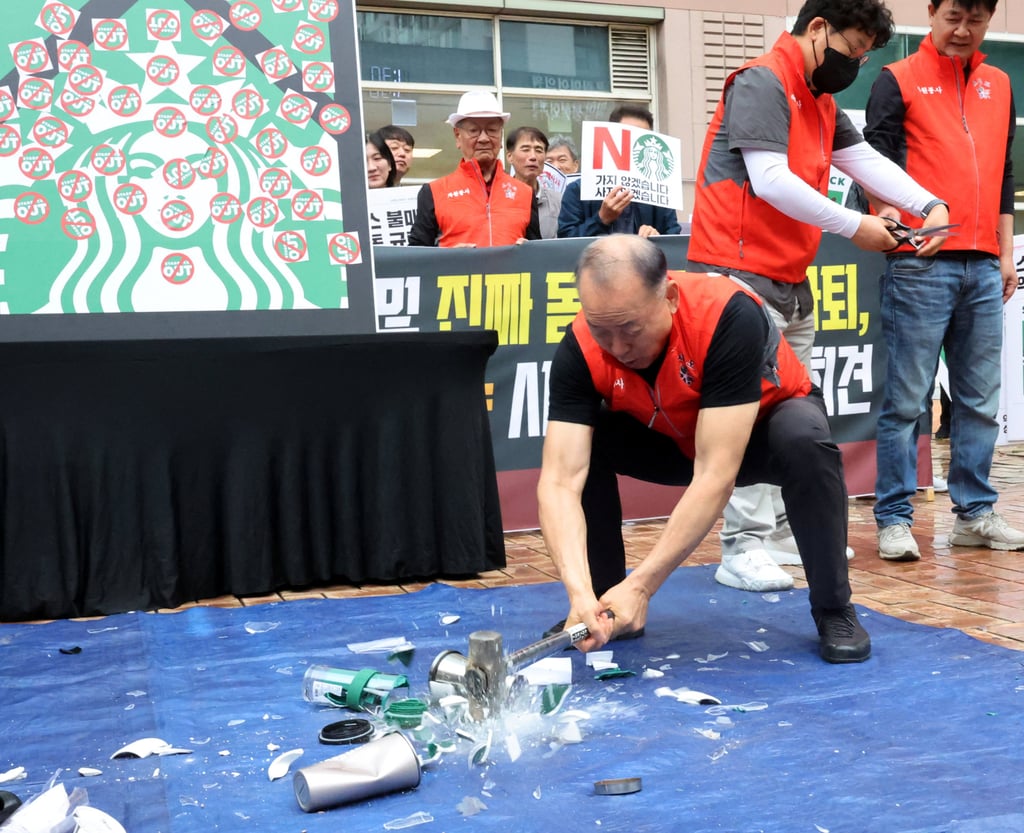
In June, the Paichai High School baseball team was embroiled in controversy after some players repeatedly chanted “Let’s go, let’s go, let’s go to Starbucks” in unison during a match against Gwangju Jeil High School, evoking the promotion. One even shouted “Tank Day”.
False claims about the pro-democracy movement, including assertions that it was a riot or involved North Korean troops, are also common online and continue to circulate among far-right circles.
The May 18 Foundation said in May that it found 5,182 posts, comments and videos distorting or denigrating the uprising between February and November last year, up roughly 200 per cent from the same period a year earlier.
Under a 2021 special act, distorting or defaming the uprising can carry up to five years in prison, though enforcement has been limited.
National Police Agency data submitted to Representative Yang Bu-nam of the Democratic Party of Korea showed police booked 120 suspects under the act from 2021 through April this year, with only 67 referred to prosecutors.
KioskNews shows a cleaned-up reading view extracted from the publisher’s page — the original always lives on their site, not ours.