PunchNigeria Ebola-free after patient’s evacuation to Switzerland — WHOESPNSuffocating defense, JSN lift Seahawks to victoryESPN DeportesCuándo se entrega el Balón de Oro 2026: nominados, fecha, sede y todos los detallesBollywood HungamaJohn Abraham joins Indian Superbike League as Strategic Advisor: "It’s time to get India racing"The Jerusalem PostDamascus struggles to assert control in southern Syria amid ISIS threat, Druze tensions - analysisInquirerMarcos admin urged to adopt industrial policy, alternative miningNotJustOkPretty Nun Lyrics by ChellaZDF heuteEntdecken Sie das ZDF-NachrichtenstudioPopular ScienceCelebrate the flavors of fall with three spicy recipesХабрСвой тренажёр печати для детей: три ошибки и одна догадка, которая сработалаRTL BoulevardSabina uit B&B Vol Liefde boekt succes met erotische content: 'Tot nu toe loopt het heel erg goed'Screen RantLegend Of Zelda: Ocarina Of Time Remake Gets Official Last-Minute Update
The Daily Newsstand · Free, Always
Monday, October 26, 2026

Climate damage to Philippine ports could cost US$70b a year by 2100
Translate

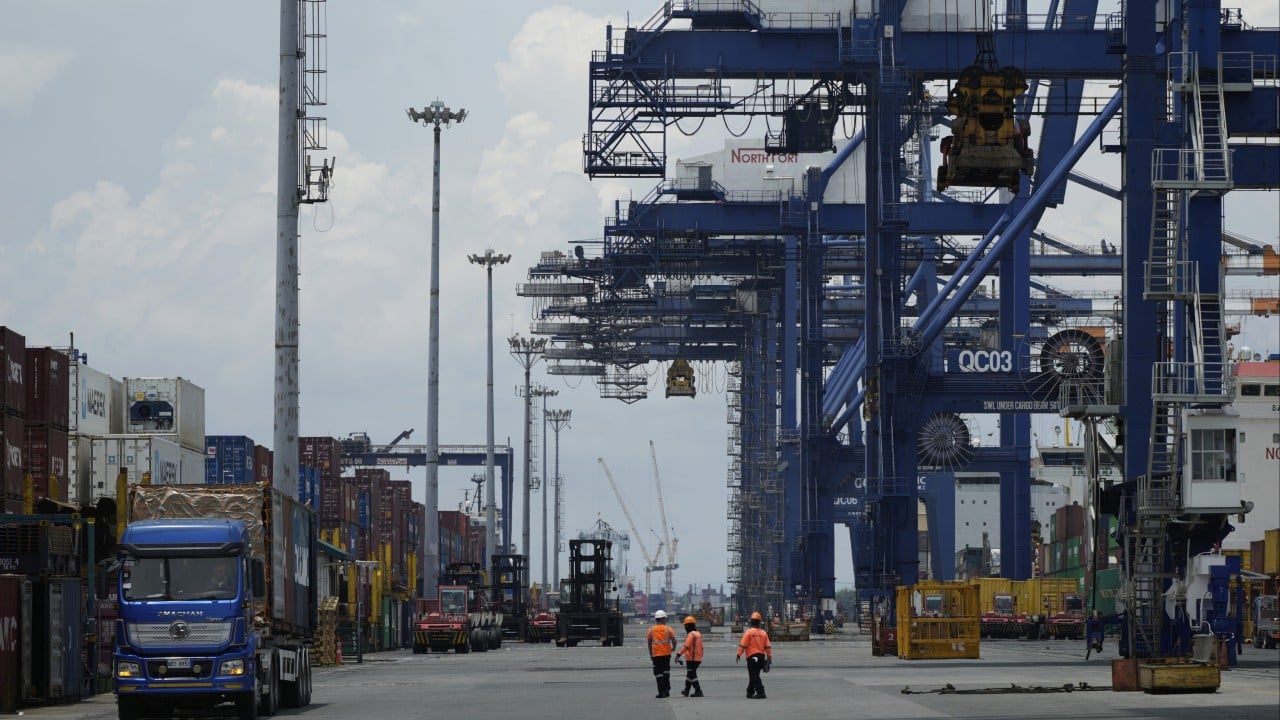
The Philippines faces the highest climate-driven port damage costs in Southeast Asia, with annual losses projected to hit US$70.2 billion by 2100, the Asian Development Bank (ADB) has warned.

Analysts say the damage could cripple supply chains, drive up food prices and threaten livelihoods, urging Manila to adopt a more coordinated approach to flood protection rather than simply strengthening port infrastructure.

In its latest report titled “Asia-Pacific Climate Report 2026: Coastal Risks on the Rise – Actions for a Resilient Future”, the ADB said the Philippines could sustain US$20.6 billion in port damage under a moderate-emissions scenario, in which sea levels were projected to rise by 50cm to 80cm.

View the original on South China Morning Post →

KioskNews shows a cleaned-up reading view extracted from the publisher’s page — the original always lives on their site, not ours.