Netflix's 13-Episode Superhero Masterpiece Is Everything The Boys Should Have Been

Nicolas Ayala is a Senior Writer for the Comics team at ScreenRant, with over five years of experience writing about Superhero media, action movies, and TV shows.
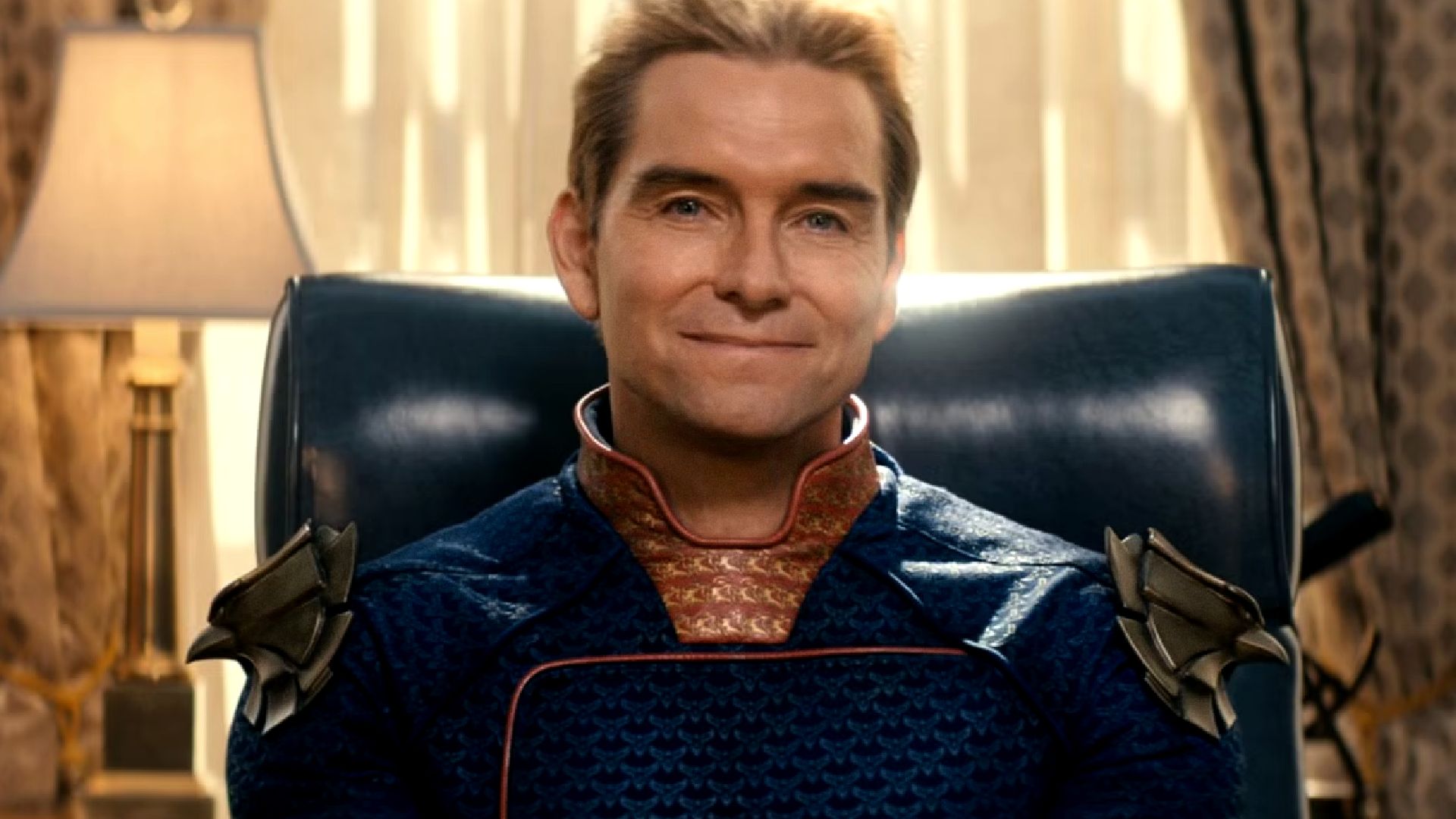
The Boys' dark twist on superhero tropes ended with a much better conclusion in a Netflix series. The Boys removes the inherent altruism of costumed heroes to depict its superhuman vigilantes as a weaponized corporate asset. Homelander is more bloodthirsty and emotionally fragile than any evil version of DC's Superman, and A-Train's recklessness makes him even more dangerous than most of the Flash's comic book rogues. The Seven are nothing more than a cutthroat cabal where members regularly betray, extort, and assault one another just to maintain their marketing value and lucrative movie deals.
Unfortunately, after five seasons of hints at an apocalyptic showdown, the final clash ended the show with a whimper. Instead of an epic stand against the corporate fascist empire Vought created, a tumor-riddled Butcher suddenly unleashes an airborne virus inside Vought Tower and dies at the hands of his apprentice. The Boys built its reputation on mocking modern media conglomerates and celebrity worship, but the final episode traded its commentary for shock value that also failed to live up to the series' marketing. Thousands of background citizens died brutal deaths, only for The Boys' finale to turn to a lighthearted, sentimental epilogue for the surviving characters.
Five years before Amazon's The Boys concluded the conflict between Homelander and the titular anti-heroes, a Netflix series gave a different group of cynical anti-heroes a much more satisfying send-off.
Super Crooks Subverts Superhero Conventions With An Opposite Premise To The Boys
The Super Crooks Are Down-On-Their-Luck Versions Of The Seven

Mark Millar and Leinil Francis Yu's Super Crooks turns traditional comic book dynamics upside down with a reimagining of super-powered individuals dodging severe occupational hazards. Super Crooks focuses on low-level villains who use their abilities strictly as a trade. So, when the elderly costumed criminal known as The Heat racks up a massive $100 million gambling debt, small-time electric-powered crook Johnny Bolt steps in to organize a rescue mission. Fleeing to Spain, their crew orchestrates an intricate vault heist that targets the world's most terrifying retired supervillain.
Super Crooks is set in the shared universe of Jupiter's Legacy, whose Netflix live-action adaptation was far from well received.
The Boys took a unique approach to the superhero genre with shock value and a critique of superhero commercialism, starring ultra-powerful, ultra-famous superheroes with a not-so-hidden dark side. Meanwhile, Super Crooks focuses on a group of washed-up, low-tier supervillains using their niche abilities to pull off an impossible score. Johnny Bolt and his ragtag crew don't care about world domination or overthrowing corrupted heroes. They simply want to rob the Bastard to pay off a massive gambling debt owed to the mob.
Super Crooks Nailed Its Ending By Not Trying To Do More Than It Needed
Super Crooks Doesn't Punish Its Characters

The Boys and Super Crooks offer two very different approaches to the conclusion of a subversive superhero story. The Boys' finale, "Blood and Bone," fulfills its promise of brutality, as watching a depowered Homelander get executed by Billy Butcher with a crowbar on live television provides a grim catharsis that stayed true to the show's dark premise. However, after years of build-up, Butcher succumbs to his hatred and attempts to commit an all-Supe massacre, and Hughie Campbell is forced to shoot and kill his own mentor. The survivors then receive unnaturally peaceful endings that soften the shows' cynical worldview just to leave the door open for future sequels and spinoffs.
Super Crooks has a much more straightforward but appropriate ending. Instead of trapping its ragtag team in a cycle of endless trauma and hopelessness, Johnny Bolt successfully leads his low-level heist crew to infiltrate the Bastard's impenetrable vault, retrieves the $800 million necessary to wipe out The Heat’s gambling debt, and frames the corrupt heroes of the Super-Shed for the crime. Where The Boys' ending crumbles under the weight of its own unearned sentimentality, Super Crooks' main villain is left ruined, and the small-time crooks successfully ride off into a luxurious island retirement.
Have you watched Super Crooks yet?
Super Crooks is available on Netflix

- Release Date
- 2021 - 2021-00-00
- Network
- Netflix
- Directors
- Motonobu Hori, Yohei Shindo, Tetsuya Miyanishi, Kazuo Miyake
-

Kenjiro Tsuda
Johnny Bolt (voice)
-
Maaya Sakamoto
Kasey (voice)
-
Yasushi Kimura
Carmine (voice)
-
Hiroshi Yanaka
Christopher Matts (voice)
KioskNews shows a cleaned-up reading view extracted from the publisher’s page — the original always lives on their site, not ours.