Walls For Stray Cattle, Safer Exits: New Guidelines For High-Speed Highways
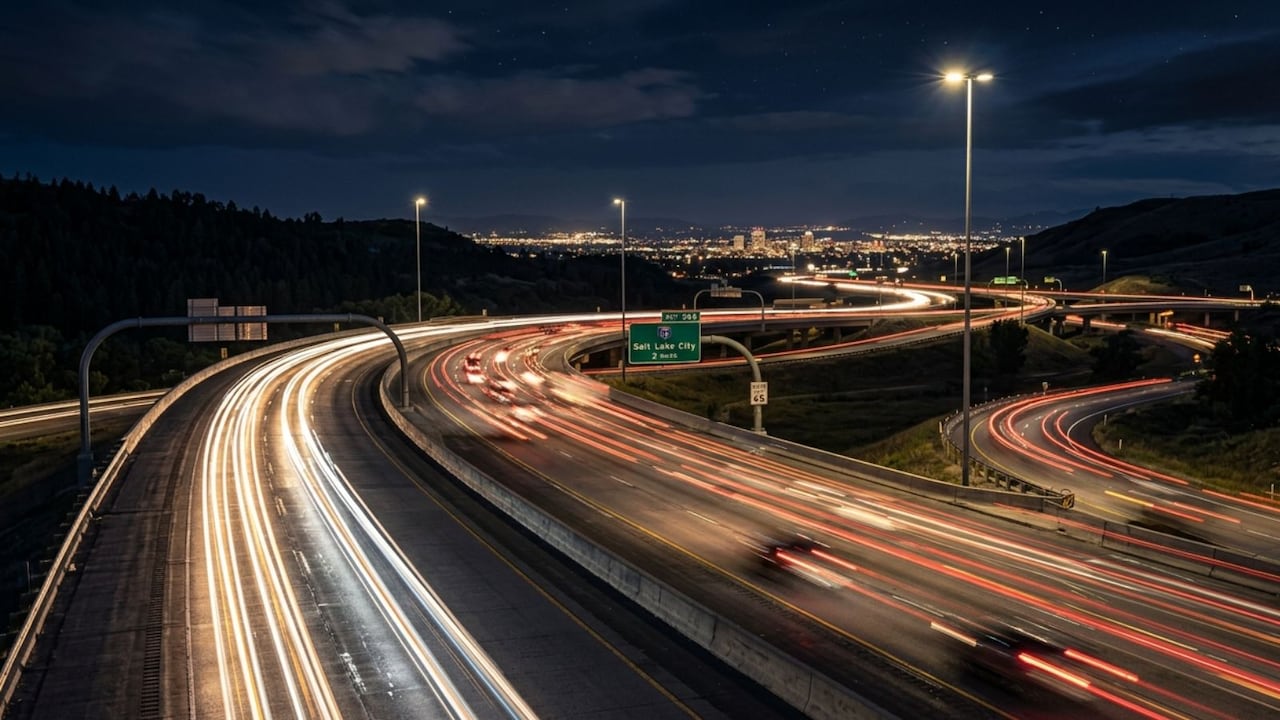
One-metre-high walls to keep stray cattle off the road, advance warnings before exits and highway widths based on traffic- these are among the changes coming to India's upcoming high-speed National Highways.
The National Highways Authority of India (NHAI) has issued new guidelines for planning and designing four- and six-lane access-controlled National Highways.
The rules will apply to upcoming greenfield and brownfield projects. Expressways are not covered by these guidelines.
Access-controlled highways allow vehicles to enter or leave only at designated points instead of having direct access from adjoining roads or properties.
The Road Transport Ministry said there were no separate design standards for such high-speed National Highways, leading to variations in DPRs (Detailed Project Reports), until now.
The new guidelines lay down common rules for highway width, number of lanes, entry and exit points, interchanges and access control.
Here are five key changes:
One-Metre Walls To Keep Stray Cattle Out
High-speed corridors will have a one-metre-high boundary wall along their outer edge.
The walls are meant to keep stray cattle from entering the highway and also restrict encroachments and unauthorised access.
Advance Warning Before Highway Exits
Drivers will get advance warnings before upcoming entry and exit points.
The advance warning is meant to give motorists more time to prepare before entering or leaving a high-speed corridor.
The provision is among the additional safety measures prescribed for roads carrying high-speed traffic.
Highway Width, Lanes To Depend On Traffic
The width and number of lanes will depend on how much traffic a highway is expected to carry.
Corridors handling up to 15,000 vehicles will have four lanes and four-lane structures, with a width of 60 metres.
For traffic between 15,000 and 25,000 vehicles, the highway will have four lanes and six-lane structures, with a width of 70 metres.
Highways handling between 25,000 and 40,000 vehicles will have six lanes and six-lane structures, also within a width of 70 metres.
The configuration will be decided on the basis of a detailed traffic assessment.
Ramp Interchanges At Major Road Crossings
Ramp-based interchanges will be provided where high-speed highways cross Expressways, National Highways, State Highways and important arterial roads carrying substantial traffic.
These will provide designated entry and exit points while allowing traffic on the main high-speed corridor to keep moving.
Airports, Ports, Industrial Hubs To Get Better Highway Access
Roads connecting airports, ports, Multi-Modal Logistics Parks, industrial areas and major tourist destinations will also get ramp-based interchanges.
These interchanges will be provided on routes serving destinations that generate substantial traffic.
Why NHAI Brought In The New Rules
The guidelines are meant to bring uniformity to the way upcoming high-speed National Highways are planned and designed.
Until now, standards followed while preparing DPRs could vary from one project to another.
Officials say the new framework sets common technical and safety requirements for upcoming four- and six-lane access-controlled highways.
The rules come as the government plans a much larger network of high-speed roads.
Its long-term roadmap envisages around 50,000 km of access-controlled high-speed corridors by 2047.
KioskNews shows a cleaned-up reading view extracted from the publisher’s page — the original always lives on their site, not ours.