Non-Hindus Wearing Religious Markers Can't Enter Agamic Temples Without Affirming Reverence: Madras High Court
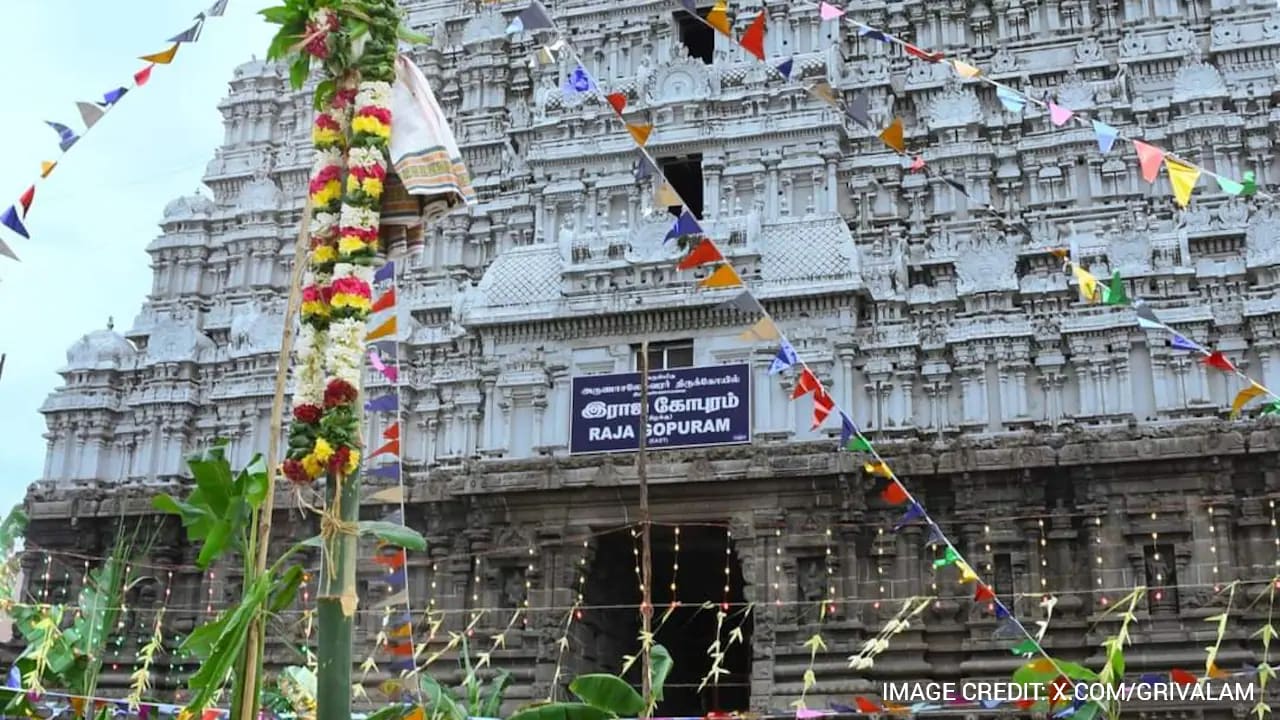
The Madurai Bench of the Madras High Court has ruled that non-Hindus sporting religious markers of other faiths and not affirming reverence for the deity concerned cannot be allowed even into the premises of Agamic temples, extending existing restrictions beyond the areas around the flagstaff.
The key change is that the ruling goes beyond the existing system, under which non-Hindus seeking to cross the flagstaff only were required to affirm their faith in the deity and agree to follow temple customs. The court has now said that non-Hindus who wear religious markers of other faiths and do not affirm reverence for the deity cannot be permitted even into the temple premises. The declaration of reverence must be made in the format prescribed by the temple concerned.
The order does not impose an unqualified ban on everyone wearing another religion's markers. However, the court has not expressly clarified whether a non-Hindu who continues to wear such markers would be permitted entry after signing the prescribed undertaking.
A Division Bench of Justices GR Swaminathan and P Murugan passed the order while allowing a petition seeking enforcement of laws governing temple entry and the observance of Agamic injunctions.
The judges referred to a video circulating on social media that purportedly showed people wearing skull caps entering the Arunachaleswarar temple in Tiruvannamalai despite protests from devotees. The court criticised the temple staff for remaining "mute spectators".
The order also cited instances involving political figures. It referred to Madurai Central MLA Badrudeen Mustafa entering the Meenakshi temple after the election, claiming a right to inspect amenities, and going up the temple towers during the Kumbabishekam. The judges also noted that a Christian Minister had entered the Tiruchendur temple without providing the required undertaking.
By contrast, the court referred to Chief Minister Joseph Vijay, who, despite being Christian by faith, worshipped at the Meenakshi temple after signing an undertaking. The judges said he was not asked to convert but only to affirm reverence for the deity, describing this as an "inclusive approach".
The Bench drew on an earlier Madras High Court ruling in Kalyan Dass v State of Tamil Nadu (1972), which struck down a rule seeking to admit non-Hindus into temple premises, and a 2024 ruling in D Senthilkumar v Government of Tamil Nadu. The latter had said non-Hindus who did not believe in Hinduism should not be allowed beyond the flagstaff, while permitting entry upon an undertaking of faith and respect for temple customs.
The court said the ruling was confined to Agamic temples, noting that some places of worship, including the Ayyappa and Shirdi Sai Baba temples, have devotees across religious boundaries.
KioskNews shows a cleaned-up reading view extracted from the publisher’s page — the original always lives on their site, not ours.