World Court to rule on whether Myanmar committed genocide against the Rohingya
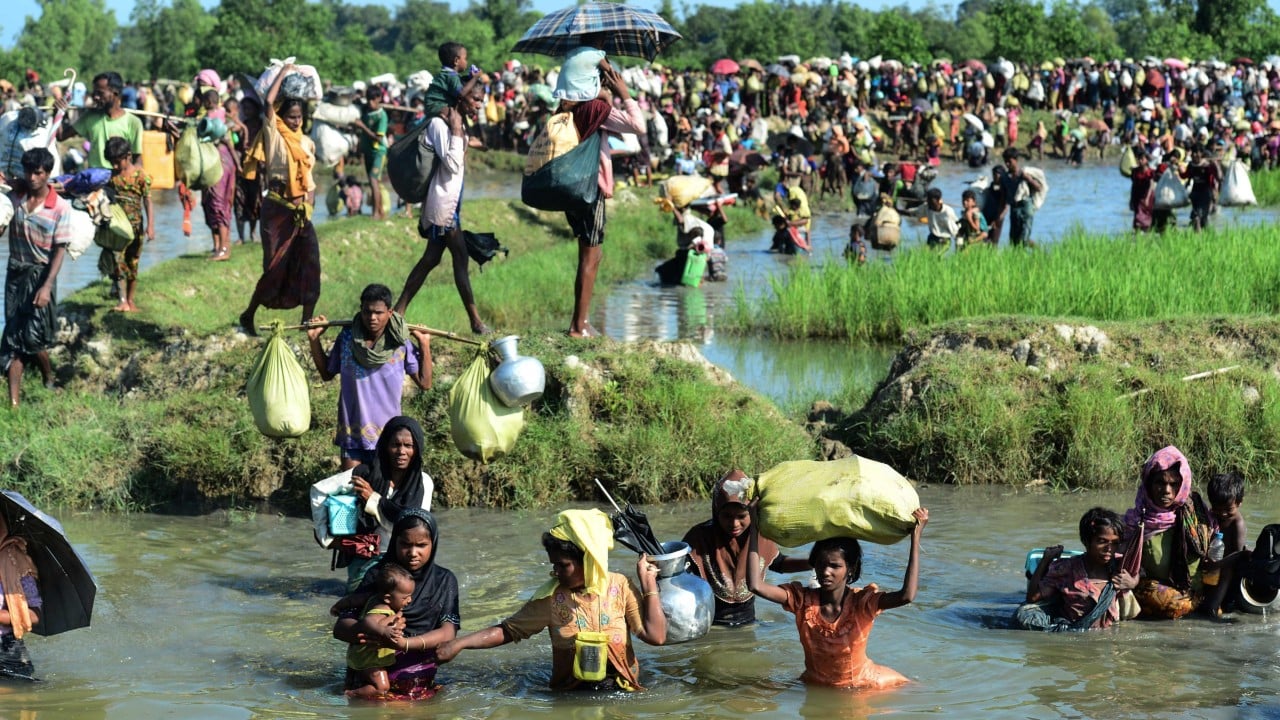
The International Court of Justice, the UN’s highest court, will rule on Thursday on whether Myanmar committed genocide against the Rohingya, a Muslim minority violently driven from the country en masse by the army in 2017.
The case, which has been before the court in The Hague for seven years, was brought by Gambia under the 1948 Genocide Convention, an international treaty that defines genocide and obliges states to prevent and punish it.
Since it began operations in 1946, the ICJ has never found a state directly responsible for committing genocide. The court has no mechanism to enforce its rulings, but an adverse judgment against Myanmar could prompt action from the UN Security Council.
This must not be denied, forgotten or repeated
It would also heap fresh pressure on Min Aung Hlaing, the coup leader turned military-backed president who commanded the army during the 2017 offensive. His government has been edging its way back out of diplomatic isolation after years of being ostracised following his 2021 coup.
Myanmar denies committing genocide. Its lawyers have told the court the military operations were a legitimate action against “terrorists”.
What happened in 2017
Security forces and local militias killed thousands of Rohingya, including women, children and the elderly. About 700,000 fled from Rakhine state in the northwest of Myanmar to Bangladesh.
Villages were razed and mosques were burned. The campaign began as an apparent response to attacks by Rohingya insurgents but swiftly became a coordinated effort to expel the population.
Nine years on, Thursday will mark the first time that a court with the power to rule on genocide has the opportunity to deliver a judgment on what occurred.
03:51
Rohingyas risk deadly sea voyages as human trafficking surges in refugee camps
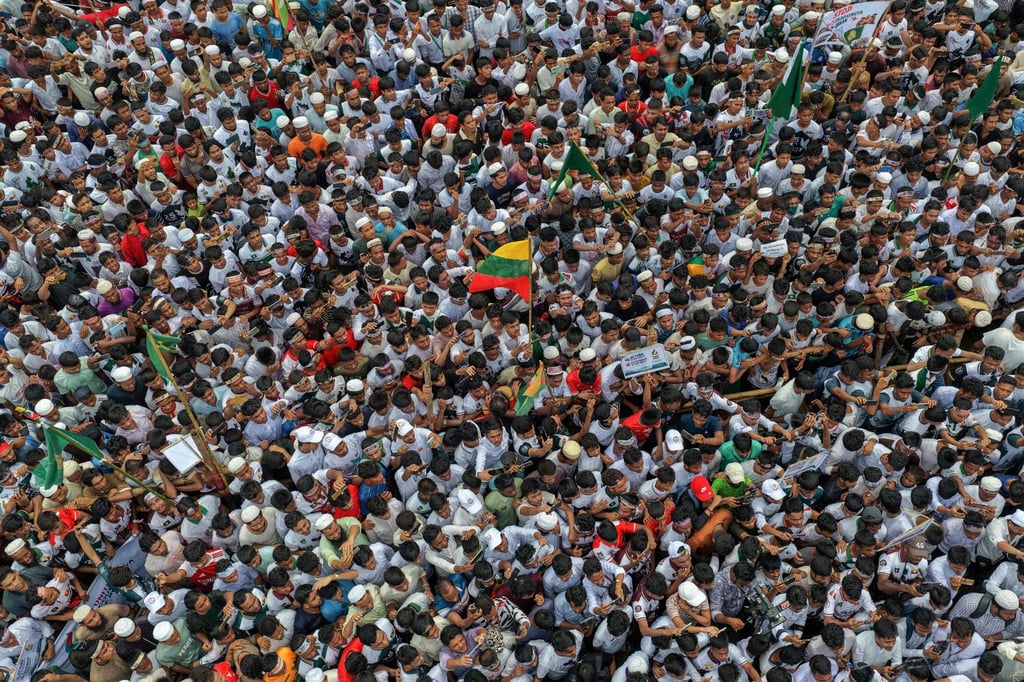
More than a million Rohingya still live in the overcrowded and dangerous camps of Cox’s Bazar in Bangladesh, the world’s largest refugee settlement. Others are scattered across Malaysia, Canada and Saudi Arabia, among other countries. Rights activists say they will be following Thursday’s ruling closely.
“For Rohingya around the world, this is an enormously significant moment,” said Tun Khin, chairman of the Arakan Rohingya National Council and president of the Burmese Rohingya Organisation UK.
“Our people have spent decades fighting for recognition and justice. A finding of genocide would be deeply emotional for Rohingya survivors. It would finally recognise, at the world’s highest court, the unimaginable suffering our people have endured.”
A stateless minority
Myanmar denies the Rohingya citizenship and leaves them off its official list of ethnic groups. It claims they are mainly illegal migrants from Bangladesh, although many can trace their ancestry in Rakhine back centuries.
Persecution dates to at least the late 1970s, when the Tatmadaw, as Myanmar’s army is known, carried out the first mass expulsion. The army is dominated by the Buddhist Bamar majority and is heavily ethno-nationalist.
In 2012, fresh violence led to the closure of mosques, including in Rakhine’s capital Sittwe.
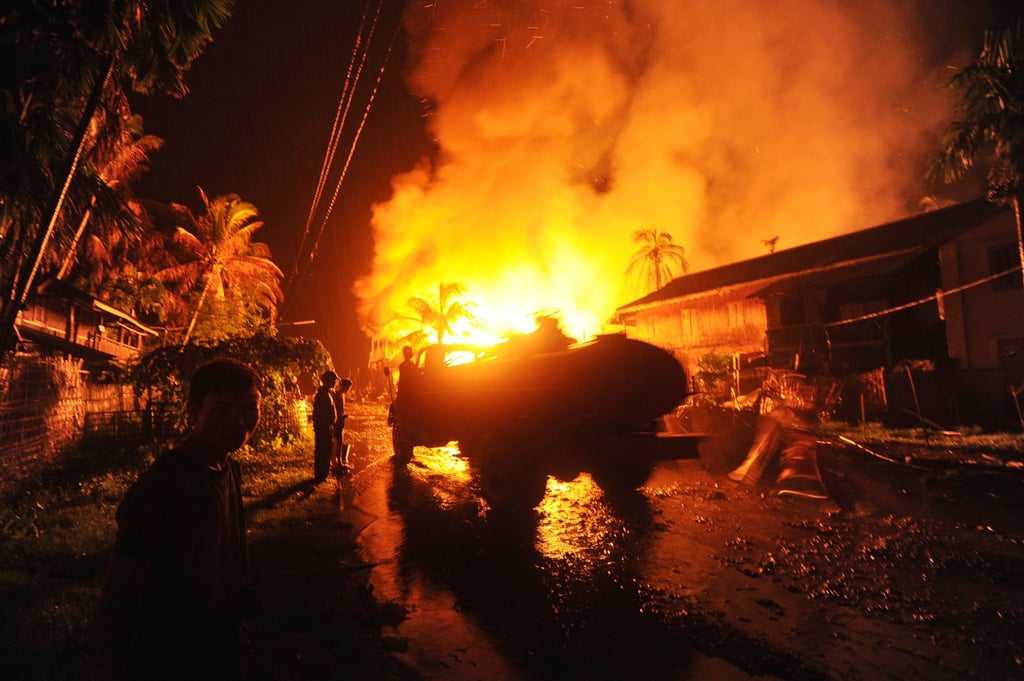
Tens of thousands of Rohingya were confined to camps for displaced people, where many remain to this day.
Zaw Win, a senior human rights specialist at Fortify Rights who is at The Hague for the proceedings, said a ruling against Myanmar would “be a stigma” and mark international recognition of what the generals had done.
“Justice is not just revenge, it is a protection of future generations,” he said. “I hope it will send a clear message that no state or individual is above the law.”
Phil Robertson, director of Asia Human Rights and Labour Advocates, agreed that an adverse judgement “would seriously damage Myanmar’s relations with countries around the world”.
“Few foreign leaders would want to be seen, much less photographed, in the company of a genocidal criminal,” Robertson said, noting that Thursday’s ruling also had the potential “to stop the burgeoning rapprochement” between Myanmar and the rest of the Association of Southeast Asian Nations in its tracks.
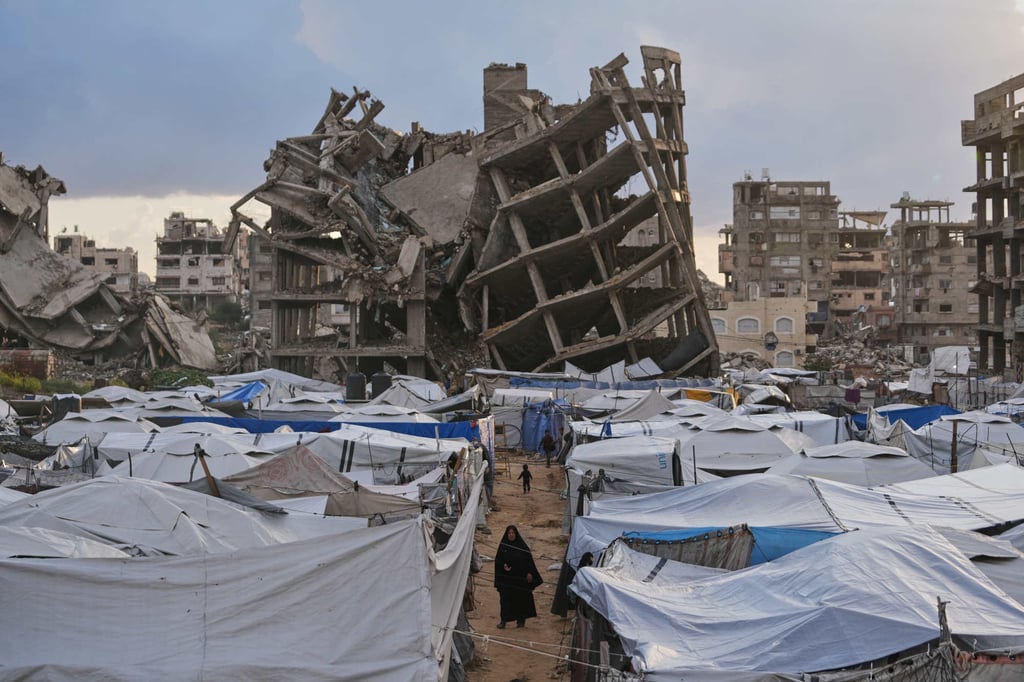
Repercussions for Gaza
The ruling will be watched beyond Myanmar. In a separate case, South Africa has asked the ICJ to decide whether Israel committed genocide in its bloody war on Gaza following the Hamas-led attacks of October 7, 2023.
“This is a hugely important case,” Robertson said of Thursday’s ruling, adding that it would also “help determine whether the system can persevere through all the egregious and outrageous attacks by [US President] Donald Trump and his administration”.
“It’s no secret that many nations are looking at this case to see what it will mean for the next case in the docket brought by South Africa against Israel,” he said.
“If the Genocide Convention is to mean anything going forward in the modern age, there needs to be a strong and clear verdict that holds Myanmar accountable for its unspeakable atrocities against the Rohingya.”
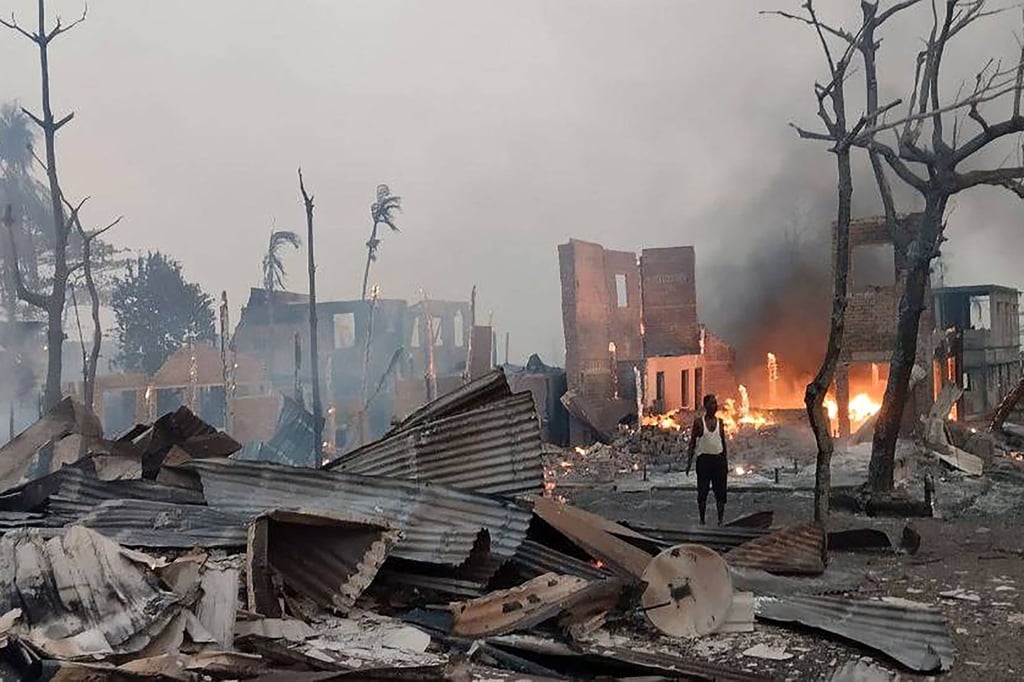
Whatever the outcome, it will change little inside Rakhine, where the Arakan Army (AA) – an ethnic armed group that controls most of the state – has repeatedly clashed with Myanmar’s military, causing chronic shortage that have left many civilians without enough food to survive.
Displaced Rohingya are denied healthcare, education and freedom of movement, and thousands have been forcibly conscripted into the conflict – primarily by Myanmar’s military, as well as by the AA, which monitoring groups accuse of being part-funded by drug smuggling into Bangladesh.
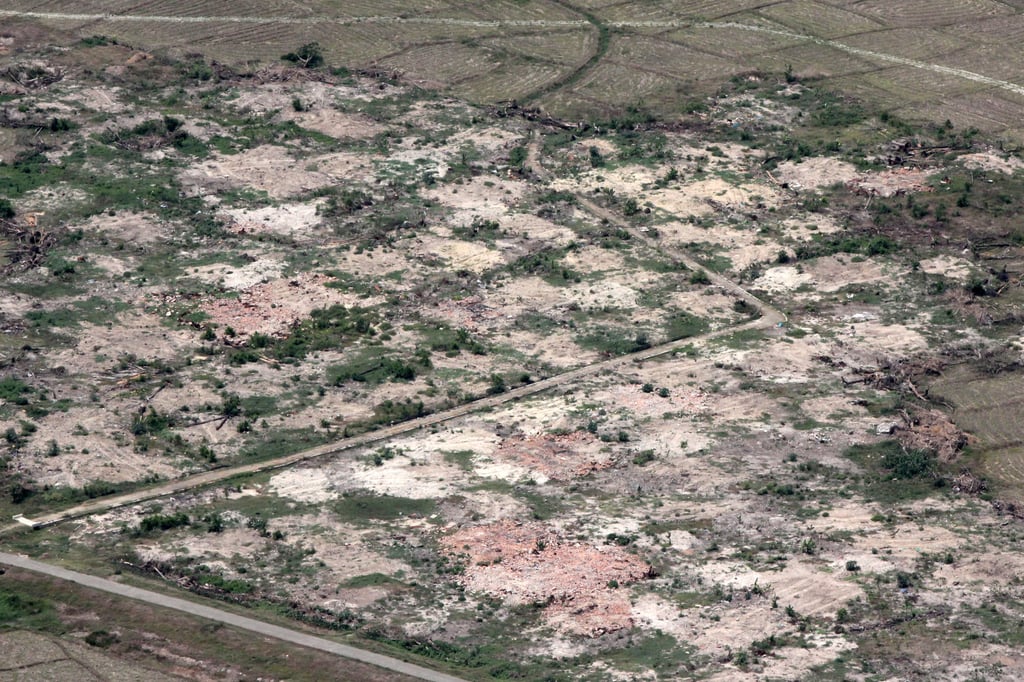
Rohingya have not been allowed to return to their villages, many of which the military bulldozed. Members of the community say this was meant to erase their presence and prevent any future mass return from Bangladesh.
“The genocide against the Rohingya did not begin or end in 2017,” Tun Khin said.
“Decades of systematic persecution and dehumanisation led to those events … Today our people continue to face the threat of permanent erasure from our homeland. Justice must ultimately mean restoring our citizenship, rights, homes and land.”
“This must not be denied, forgotten or repeated,” Zaw Win added.
KioskNews shows a cleaned-up reading view extracted from the publisher’s page — the original always lives on their site, not ours.