What Philippine KC-390 aircraft deal could mean for Brazil’s ambitions in Southeast Asia
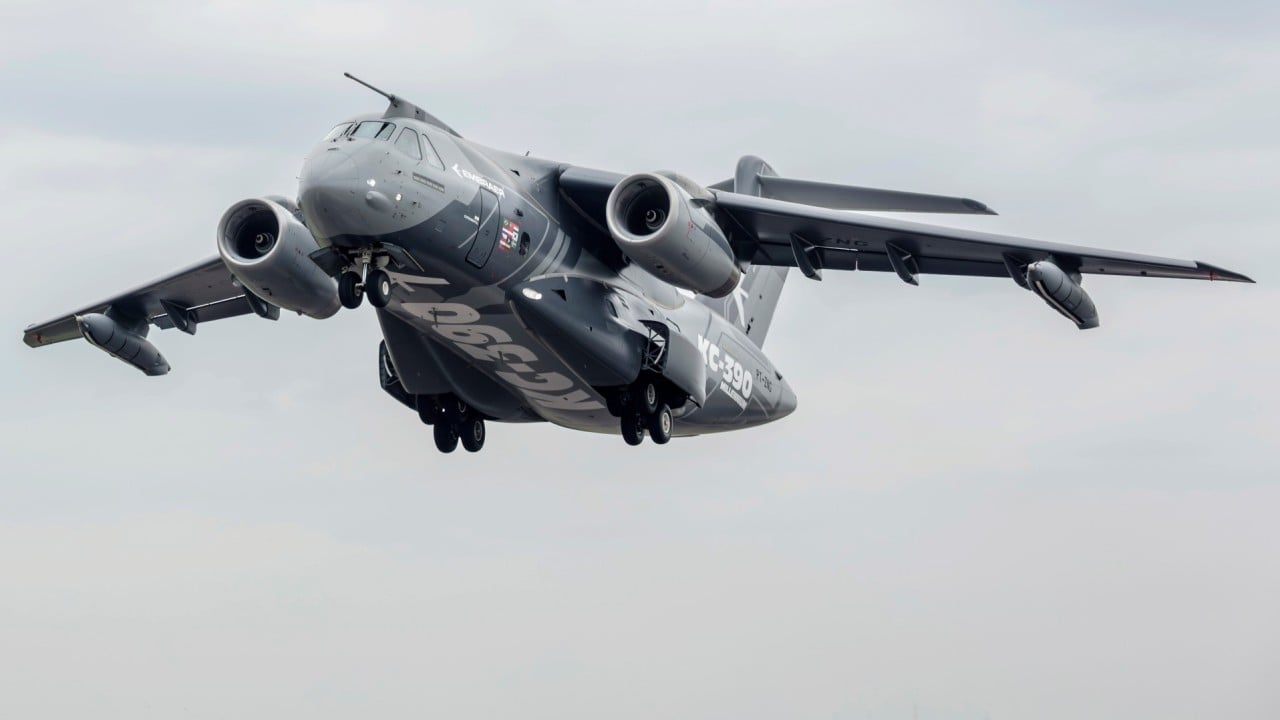
The Philippines could become an important showcase for Brazil’s growing defence industry in Southeast Asia, as Manila considers acquiring Brazilian military transport aircraft. But analysts say that winning over Southeast Asian buyers will require more than competitive prices and capable equipment.
Brazilian President Luiz Inacio Lula da Silva said Manila was interested in the KC-390 Millennium, manufactured by Brazilian aerospace company Embraer, in an interview with the Philippine Daily Inquirer ahead of his visit to Manila for this week’s Asean Summit as Guest of Chair.
The multirole aircraft is capable of transporting troops and cargo, conducting medical evacuations and aerial refuelling missions, and supporting disaster relief operations. It can carry up to 26 tonnes of cargo and reach speeds of about 870km/h (540 mph).
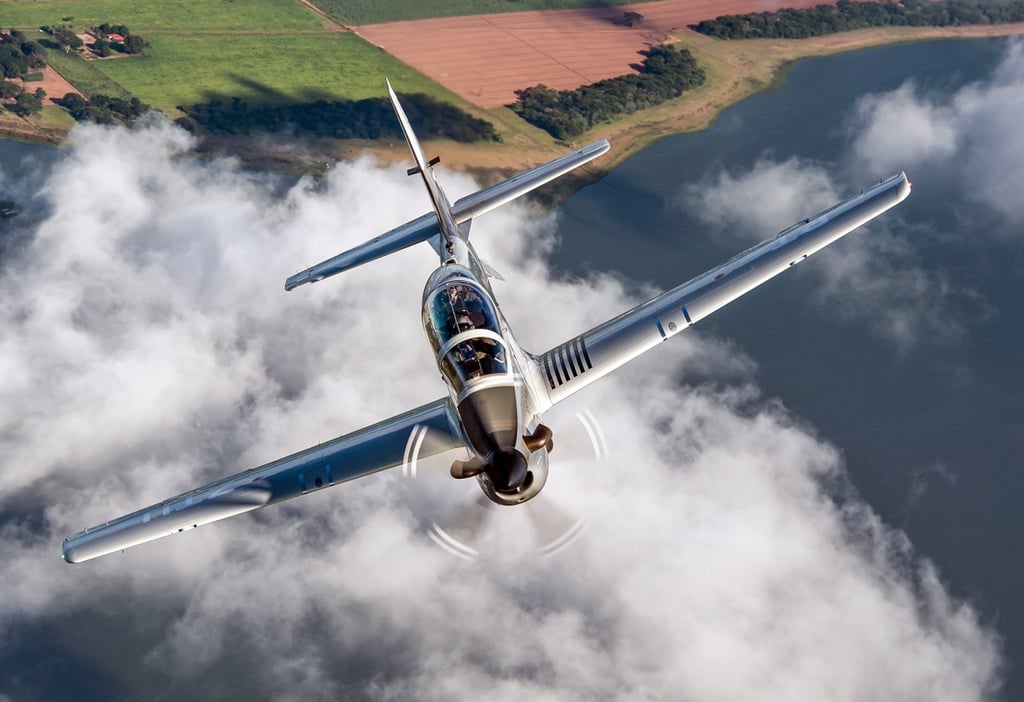
If it follows through on its interest, the Philippines will be the first Southeast Asian customer of the KC-390. It already has other Brazilian military equipment in its arsenal, including 28 Guarani armoured personnel carriers and 12 A-29B Super Tucano light attack aircraft.
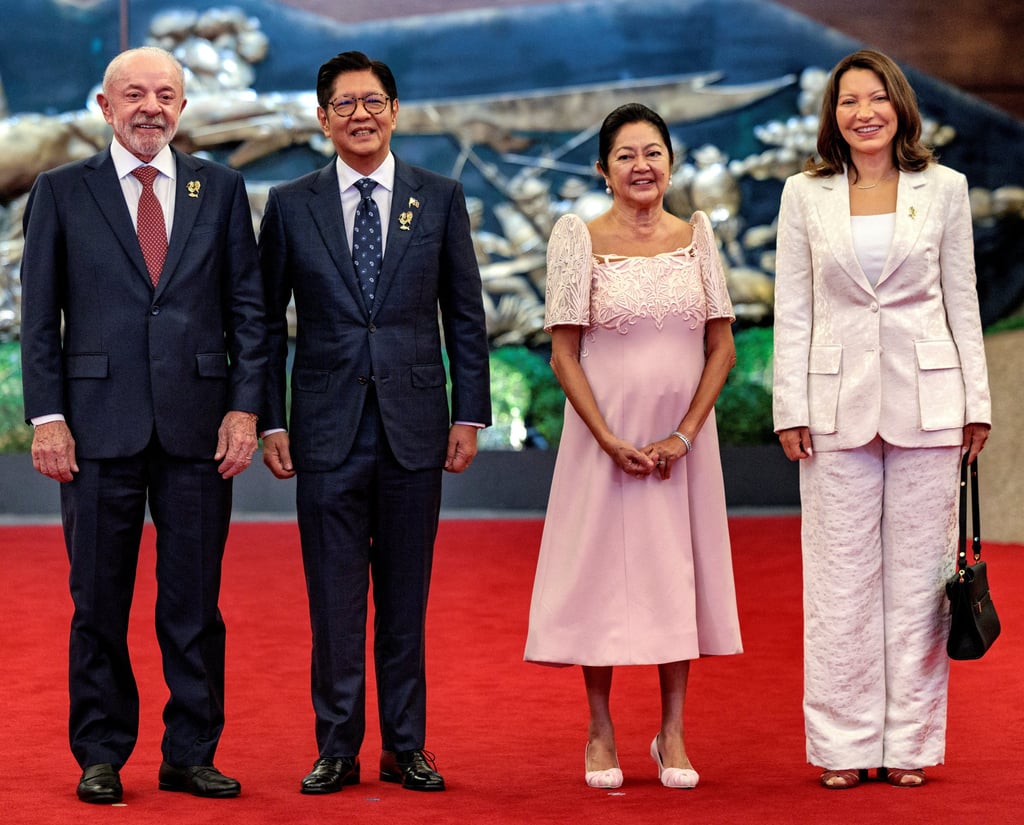
Manila’s reported interest comes as Brazil seeks to diversify its economic partnerships and establish a stronger foothold as an emerging defence supplier in Southeast Asia.
Lula’s trip, the first state visit by a Brazilian president to the Philippines, signals the “growing priority” of the region, following Lula’s trips to Malaysia and Indonesia in 2025, according to Karen Avila, a Brazil-based strategic consultant in defence and security.
Reflecting its growing engagement with the bloc, Brazil became the Association of Southeast Asian Nations’ first Latin American Sectoral Dialogue Partner in 2022.
Rui Martins da Mota, a senior strategic defence and security adviser and founder of Brazil-based consultancy MARS Senior Staff, said Lula’s visit fitted Brazil’s push to diversify beyond traditional markets. “Asean is growing in importance for Brazil, as a trade partner and as a source of diplomatic weight, even if volumes are still modest compared with China or the US,” he said.
Southeast Asian gateway
The Philippines offers a particularly visible opportunity because of its role as Asean chair and its strategic position in the South China Sea. The country was a potential “gateway to the growing Southeast Asian market”, said Chester Cabalza, founder and president of Manila-based think tank International Development and Security Cooperation.
“If the KC-390 proves its speed and maritime endurance in the Philippine theatre of operations, Manila becomes Brazil’s regional showcase hub to win over neighbouring Southeast Asian air forces,” said Joshua Espena, an international relations lecturer at the Polytechnic University of the Philippines.
Da Mota cautioned, however, that the Philippines would serve more as a showcase than a formal gateway to Asean’s defence market. “It is a visible, strategically relevant customer, and a win there carries weight with its neighbours. But Asean is not a single defence market. Each member buys nationally.”
Defence procurement across Asean remained heavily influenced by politics and existing commitments, Avila said. Malaysia already operates the European-made A400M transport aircraft and the Philippines’ close alignment with the United States could limit its role as a gateway to countries with different strategic relationships.
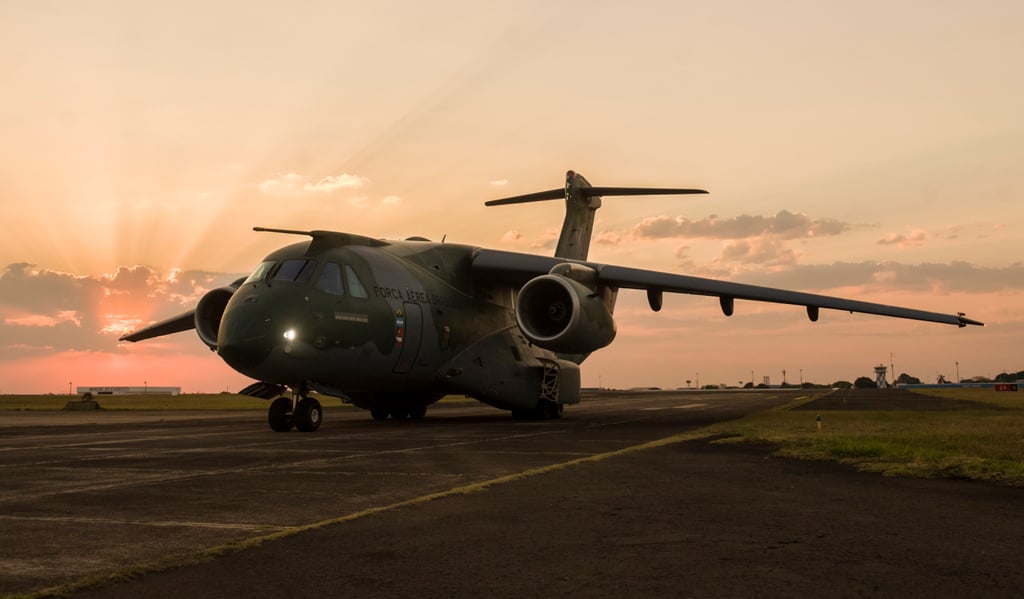
With its ability to be quickly configured for deployment during disasters, the KC-390 was a good fit for the archipelagic Philippines, Cabalza said.
It also integrates seamlessly with existing military equipment, according to Espena.
“Its cargo bay is wide enough to airlift armoured vehicles or Black Hawk helicopters in one piece, or pack up to 64 special operations paratroopers for assault,” he said. “Plus, it converts in under three hours from a troop carrier into a 74-bed flying hospital or an aerial refuelling tanker, all while flying 40 per cent faster than legacy turboprops and landing on short, unpaved island runways.”
Another plus point was its compatibility with Western military systems. “This fits the [Philippine military’s] goal of operating flexibly around the archipelago with allies and partners and avoiding future accidents, namely the C-130 and other plane crashes in the past,” Espena said.
No obligation
Brazil comes at an opportune time, as Manila is seeking to diversify military procurement beyond traditional suppliers. Early this month, it announced it was buying more Indian BrahMos missiles.
“The selling point of Brazil is the Global South market,” Cabalza said.
It has a good track record, having delivered six A-29 Super Tucano aircraft in 2020, with a second batch of six set to bring the Philippine fleet to 12, according to da Mota. Also, it brought “no alliance obligations and no direct stake in the South China Sea disputes”.
Da Mota said Brazil did not need to match the spending power of larger defence exporters such as France, Israel, Russia or South Korea to establish a competitive niche. Instead, its advantages lie in competitive pricing, political flexibility and the prospect of industrial cooperation compared to more established defence exporters.
“Brazil does not compete on every front. Its space lies in competitively priced platforms with proven technology and fewer political conditions than those of the major powers,”, Avila said. However, she cautioned that Brazilian aircraft relied partly on foreign components, including American ones, leaving them subject to export-control restrictions.
Breaking into Southeast Asia would also depend on whether Brazil could demonstrate reliable deliveries and long-term maintenance support. “The challenge is after-sales support and delivery track record in the region,” da Mota said.
Industrial cooperation could become an important part of growing Philippine-Brazilian defence ties as Manila seeks to develop a more self-reliant defence industry. Lula and Philippine President Ferdinand Marcos Jnr discussed this possibility on Saturday.
Avila called it a “natural next step”, pointing to Brazil’s experience sharing defence production with international partners. “The most realistic starting point is maintenance and support for the aircraft the Philippines already flies, then local assembly and components, and only later joint development.”
KioskNews shows a cleaned-up reading view extracted from the publisher’s page — the original always lives on their site, not ours.