Major Superiors gather in Wa to chart future of consecrated life
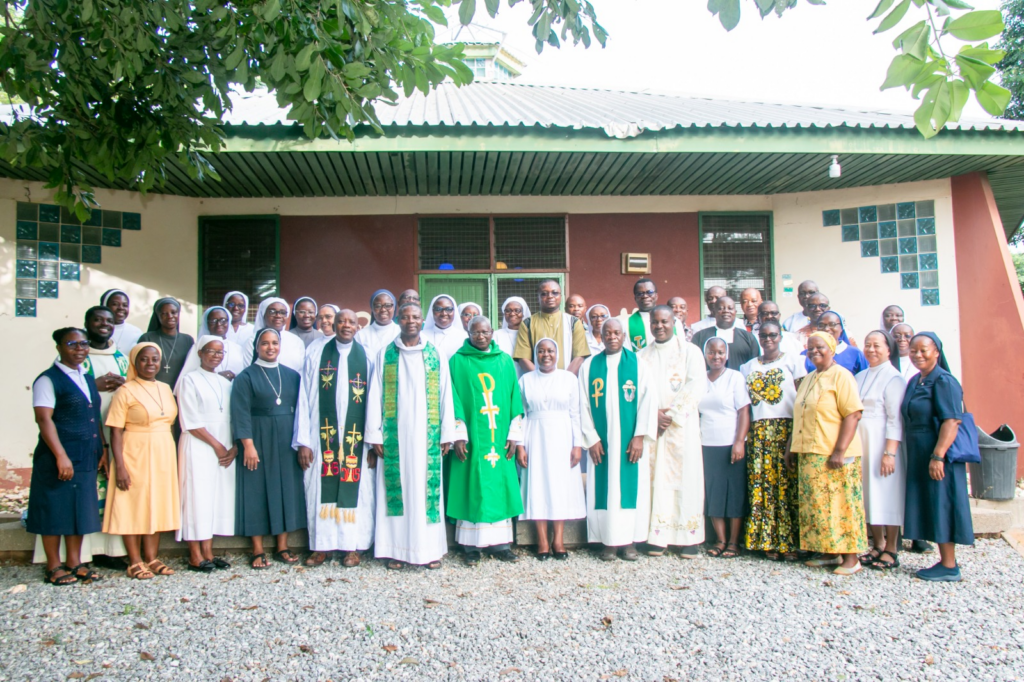
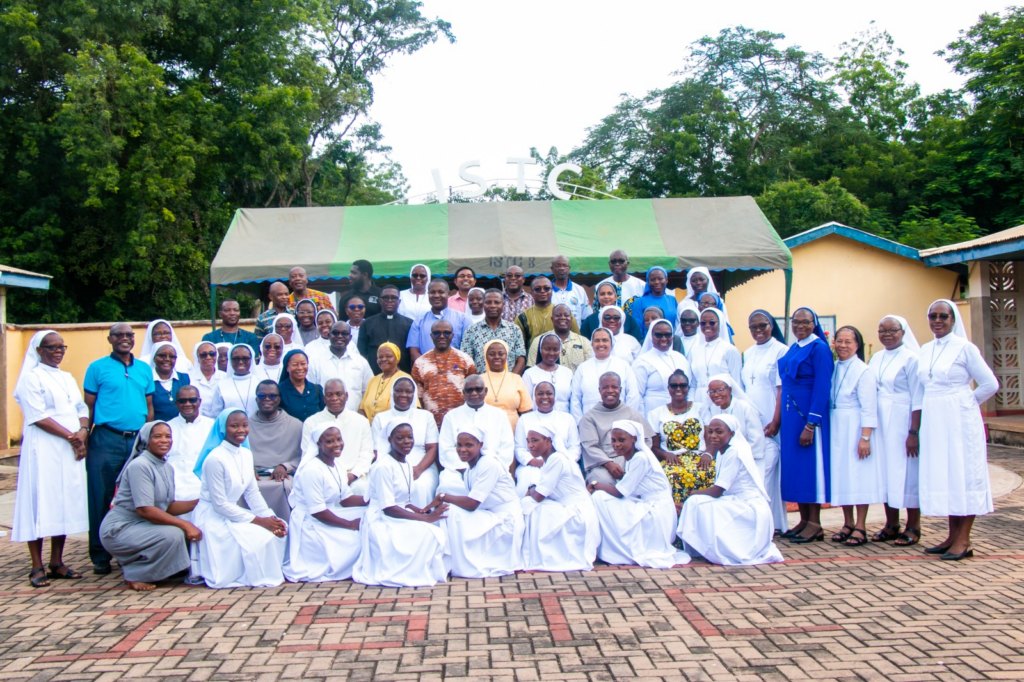
Leaders of Catholic religious institutes and consecrated men and women from across Ghana have gathered in Wa for a week-long plenary assembly to reflect on the future of consecrated life and strengthen the Church’s mission in a changing society.
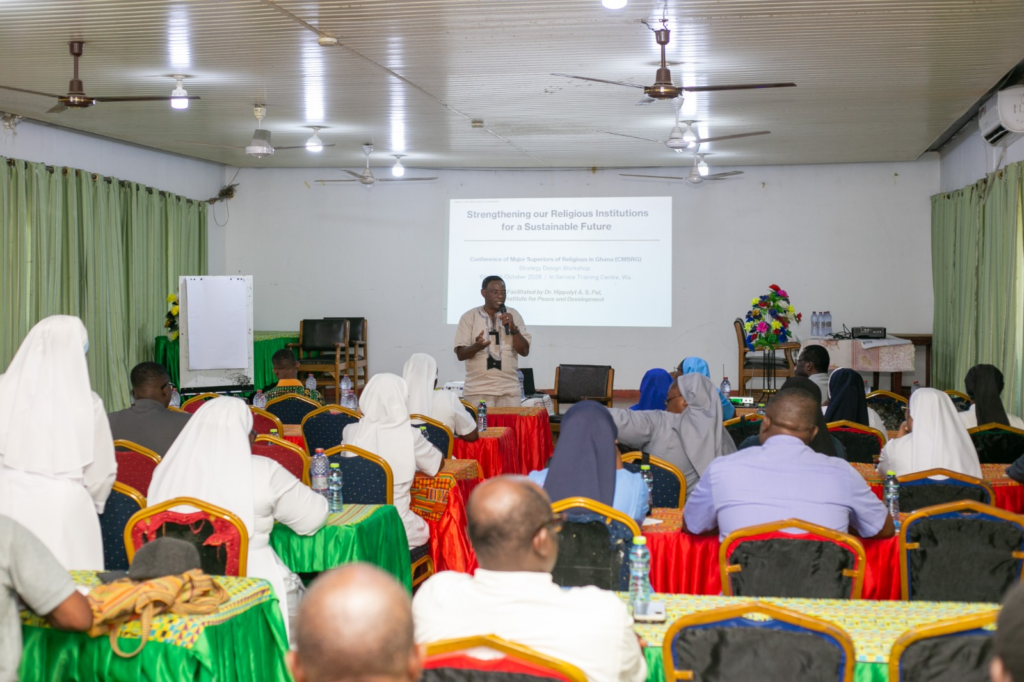
The Biannual Plenary Assembly of the Conference of Major Superiors of Religious, Ghana (CMSR-Gh), is taking place from 4 to 10 October 2026 at the In-Service Training Centre in the Diocese of Wa.
Held under the theme, “Synodal paths to mission sustainability: Walking together in hope”, the assembly brings together religious leaders, consecrated persons and other collaborators for prayer, reflection, dialogue and discernment on their service to the Church and society.
Opening the assembly on Tuesday, 6 October, CMSR-Gh President Sr Dr Lucy Hometowu, SMMC, called for stronger collaboration among congregations, saying their different charisms, traditions and apostolates should serve as a source of strength rather than division.
“The time has come for us to move beyond simply working alongside one another to genuinely walking together,” she said.
Call for greater collaboration
Sr Dr Hometowu urged consecrated persons to pool their gifts, experience, personnel and resources to respond more effectively to contemporary challenges.
“No single Congregation can respond adequately to all the needs of our time. But when we bring our gifts, experiences, personnel and resources together, we can accomplish much more,” she said.
She identified formation, vocation promotion, youth empowerment, safeguarding, ecological justice, healthcare, education, pastoral ministry, social transformation and communication as areas for greater collaboration.
Other priorities included caring for elderly and infirm clergy and consecrated persons, as well as managing resources sustainably.
She said the CMSR-Gh offered a platform for members to learn from and support one another, while discerning how best to serve the Church and society.
Wa Diocese welcomes participants
The Bishop of Wa, Most Rev Francis Bomansaan, M.Afr., welcomed participants to the diocese, describing them as co-workers in the vineyard of the Lord.
In an address read on his behalf by the Vicar General of the Wa Diocese, Very Rev Fr John Kunpiel, the bishop expressed appreciation for the various charisms and contributions of congregations serving in Ghana.
He described the assembly as an opportunity for renewal, reflection on the prophetic and apostolic role of consecrated persons, and stronger collaboration in evangelisation.
“This Biannual Conference, my dear brothers and sisters, is more than a meeting. It is a moment of renewal,” he said.
Bishop Bomansaan said the theme was timely as the universal Church continued implementing the synodal process. He encouraged participants to practise “working together, listening together, discerning together, and acting together”.
He urged them to listen deeply to God and one another during their time in Wa, and to return to their communities with renewed zeal, fresh vision and stronger bonds of fraternity.
Mission should outlive its leaders
Delivering the keynote address, Franciscan priest and academic Friar Dr Joseph Kwame Blay challenged the Major Superiors to look beyond maintaining existing projects and structures and consider how the Church’s mission could endure beyond the current generation of leaders.
He said schools, hospitals, social care institutions and church buildings established by religious institutes were means through which the Church participated in Christ’s mission, rather than the mission itself.
“The mission belongs to Christ. We are stewards, collaborators and servants of a mission that precedes us and will outlive us,” he said.
Fr Blay explained that a sustainable mission required the transmission of faith, charism, competence and responsibility from one generation to the next.
“A mission can have money and still be unsustainable. It can have buildings and still be unsustainable. It can have vocations and still be unsustainable,” he said.
He outlined the spiritual, vocational, leadership, institutional, charismatic, financial and material dimensions of sustainability, urging religious institutes to prepare successors deliberately.
He warned that a leadership system dependent on one strong individual was fragile and called for a culture that developed people, shared responsibility and prepared the next generation.
“The real test of a missionary is not only what happens while he or she is present, but what remains when he or she is gone,” he said.
From individual projects to shared mission
Fr Blay also called for a shift from an ego-centred approach to mission towards one rooted in Christ and collaboration.
He urged religious institutes to strengthen local responsibility, invest in indigenous vocations, develop succession plans, build networks among congregations and explore sustainable economic models without allowing financial considerations to overshadow their mission.
He also advocated stronger cooperation between religious institutes and dioceses, saying they had complementary roles in sustaining the Church’s mission.
“The question, therefore, should not be: Who owns the mission? But: How can the bishop, diocesan clergy, religious and lay faithful together sustain Christ's mission entrusted to this local Church?” he said.
According to him, the future depended on moving from “mission done for people” to “mission done with people”.
The assembly continues until 10 October, with participants reflecting on the challenges and opportunities facing consecrated life and its contribution to the Church in Ghana.
DISCLAIMER: The Views, Comments, Opinions, Contributions and Statements made by Readers and Contributors on this platform do not necessarily represent the views or policy of Multimedia Group Limited.
Tags:
DISCLAIMER: The Views, Comments, Opinions, Contributions and Statements made by Readers and Contributors on this platform do not necessarily represent the views or policy of Multimedia Group Limited.
KioskNews shows a cleaned-up reading view extracted from the publisher’s page — the original always lives on their site, not ours.