Karan Johar reveals what’s really in his Koffee With Karan mug: ‘I don’t drink black coffee’

Karan Johar has finally revealed what’s in his coffee mug on the latest season of Koffee With Karan. Responding to Karisma Kapoor’s rapid-fire question on ‘What’s actually in the coffee cup?’, Johar, 54, shared, “A diet cola. I don’t drink black coffee”.
Taking a cue from his revelation, we asked an expert about choosing diet cola over black coffee.
DISCLAIMER: This article is based on information from the public domain and/or the experts we spoke to. Always consult your health practitioner before starting any routine.
Diet cola and black coffee are both low-calorie beverages, but their nutritional profiles and potential health effects differ considerably. “While diet cola may seem like a convenient alternative for people who want to avoid sugar, black coffee generally offers more nutritional benefits when consumed in moderation,” said consultant dietitian Garima Goyal.
Black coffee contains caffeine and several bioactive compounds, including polyphenols, which have antioxidant properties. “Moderate coffee consumption has been associated with potential benefits for metabolic health and a lower risk of certain chronic diseases. However, these associations do not necessarily establish cause and effect. For most healthy adults, moderate coffee intake can be part of a balanced diet, provided it does not interfere with sleep or trigger acidity, anxiety or palpitations,” said Goyal.
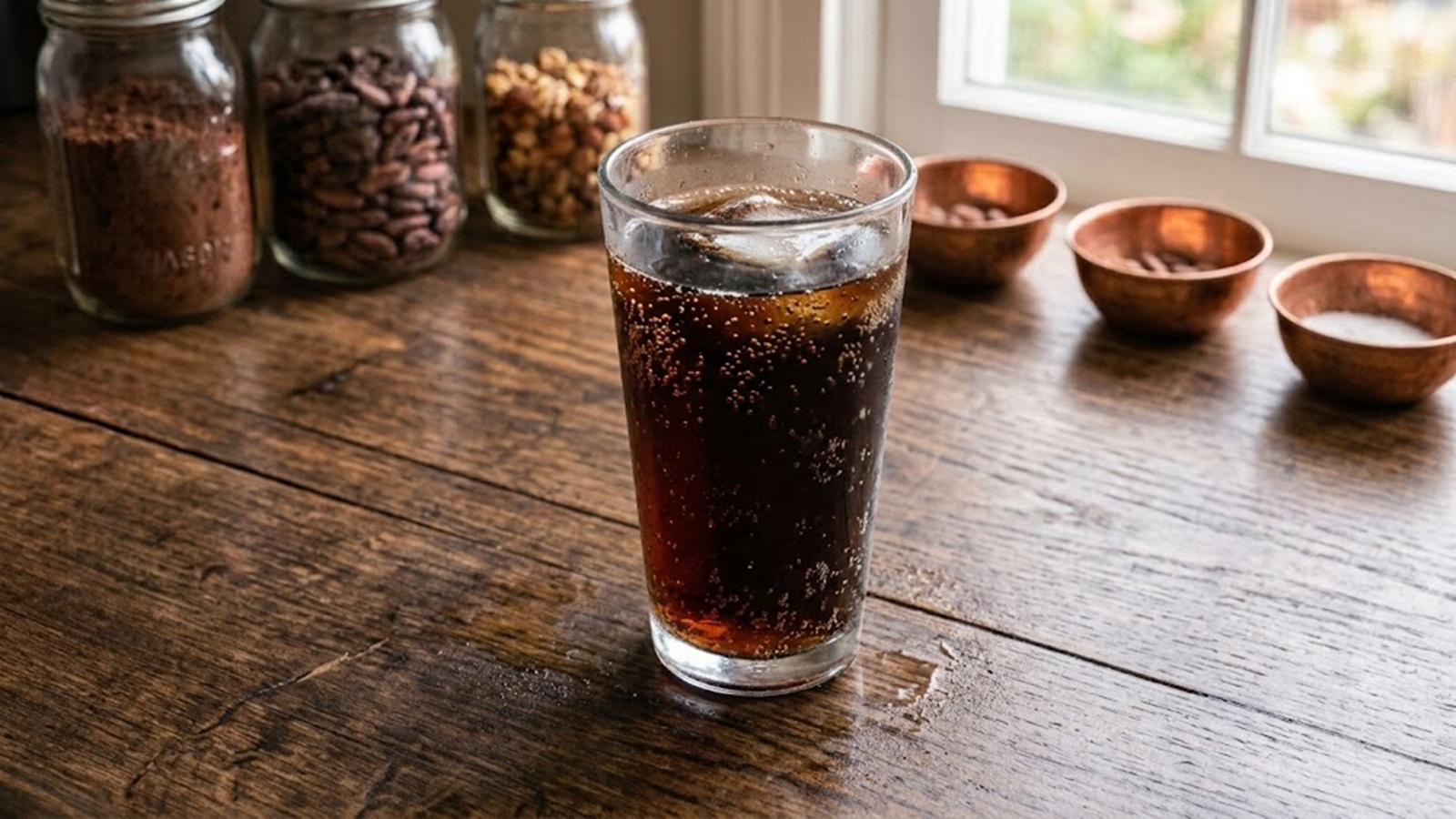 Do you have diet cola? (Photo: AI Generated)
Diet cola, on the other hand, typically contains little to no sugar and very few calories. “This can make it a reasonable alternative to sugar-sweetened soft drinks for people trying to reduce their sugar and calorie intake. However, it generally does not provide the beneficial bioactive compounds found in coffee. Depending on the formulation, it may contain artificial or non-sugar sweeteners, acids, and caffeine. Although approved sweeteners are considered safe within established acceptable daily intake limits, diet cola should not become a substitute for water or other nutrient-rich beverages,” shared Goyal.
One important consideration is caffeine intake. “Both beverages may contain caffeine, although the amount varies by brand, serving size, and preparation method. Excessive caffeine consumption can affect sleep quality, increase restlessness, and aggravate anxiety in susceptible individuals. People who are sensitive to caffeine should monitor their overall intake rather than focusing on a single beverage,” said Goyal.
Story continues below this ad
Ultimately, the choice depends on individual preferences and health goals. “If someone enjoys black coffee, there is generally no nutritional reason to replace it with diet cola. However, for someone who dislikes coffee, choosing diet cola occasionally instead of a sugar-sweetened soft drink can be a practical option,” Goyal told indianexpress.com.
The key is to avoid viewing either beverage as a health necessity. “Water should remain the primary source of hydration, while coffee and diet cola can be consumed according to individual tolerance and preference. Overall dietary patterns, rather than one particular drink, play a much greater role in determining long-term health,” said Goyal.
DISCLAIMER: This article is based on information from the public domain and/or the experts we spoke to. Always consult your health practitioner before starting any routine.
KioskNews shows a cleaned-up reading view extracted from the publisher’s page — the original always lives on their site, not ours.