The 9 Greatest Dystopian Book Trilogies of All Time, Ranked

Diego Pineda has been a devout storyteller his whole life. He has self-published a fantasy novel and a book of short stories, and is actively working on publishing his second novel.
A lifelong fan of watching movies and talking about them endlessly, he writes reviews and analyses on his Instagram page dedicated to cinema, and occasionally on his blog. His favorite filmmakers are Andrei Tarkovsky and Charlie Chaplin. He loves modern Mexican cinema and thinks it's tragically underappreciated.
Other interests of Diego's include reading, gaming, roller coasters, writing reviews on his Letterboxd account (username: DPP_reviews), and going down rabbit holes of whatever topic he's interested in at any given point.
Sign in to your Collider account
The concept of literature exploring dark imagined futures where Earth has become ravaged by time has existed since the 19th century. However, the modern dystopian genre was born somewhere around the 1920s, following the terrors and trauma of World War I. Since then, the genre has only kept evolving and growing in popularity as the years have passed, and somewhere around the late 20th century, authors started daring to craft entire trilogies set in enrapturing dystopian worlds.
From classic sci-fi dystopias like that presented in William Gibson's Sprawl trilogy, to the trilogies that erupted out of the 2010s YA dystopia boom sparked by Suzanne Collins' Hunger Games series, the greatest dystopian book trilogies of all time are proof of just how close this genre comes to true perfection. To qualify for this list, a series must be a true trilogy, with no more and no less than three mainline entries, no exceptions.
9 The Wayward Pines Trilogy

Blake Crouch's name hit bookstore shelves with the psychological thriller Desert Places back in 2004, but it was his Wayward Pines trilogy that earned him mainstream international attention. These sci-fi mystery thriller books follow Secret Service agent Ethan Burke as he wakes up trapped in a remote Idaho town where a massive conspiracy lies awaiting discovery. Surreal, genre-bending, and clearly inspired by Twin Peaks, it's a trilogy that all those who love David Lynch's cult classic show are pretty much guaranteed to love.
The brilliance of the trilogy lies in how Pines, the first book in the series, opens like a classic mind-bending psychological thriller and only reveals itself to be a true dystopia about halfway through. This way, Crouch makes it clear right off the bat that there will be a myriad of surprises in store. Indeed, from The Pines to Wayward to The Last Town, the Wayward Pines trilogy remains one of the most relentlessly paced and exquisitely sharp dystopian trilogies, perfect for those who prefer the non-YA side of the genre.
8 The Chaos Walking Trilogy

American-British writer Patrick Ness is best known for his work in the YA genre, particularly his iconic Chaos Walking trilogy. Composed of The Knife of Never Letting Go, The Ask and the Answer, and Monsters of Men, all three among the best YA books of all time, this series is set on a distant colonized planet. In it, a germ introduced by native inhabitants makes all thoughts audible. It's a compelling enough high-concept premise on paper, but Ness makes it even more engaging in execution.
Extraordinary worldbuilding, remarkable emotional depth, and incredible character writing are but a few of the reasons why the Chaos Walking trilogy is essential reading for anyone who enjoys dystopian literature, regardless of their age. Winner of almost every major children's fiction award there was to win in the UK, the series is as complex and thought-provoking as it is incredibly fun. With the sequel trilogy New World having begun this year with the publication of Piper at the Gates of Dusk, now's about as perfect a time as any for those who haven't read Chaos Walking to dive in.
7 The MaddAddam Trilogy

Canadian novelist, poet, critic, and inventor Margaret Atwood is one of the most important and influential speculative fiction authors of our time, best-known for the absolutely revolutionary dystopian masterpiece The Handmaid's Tale. Published 18 years later, Oryx and Crake kicked off the MaddAddam trilogy, some of Atwood's best work to date. It's one of the best book trilogies of the 21st century, exploring humanity's rebirth in the wake of a man-made biological catastrophe.
Described by Atwood herself as adventure romance and speculative fiction more generally (rather than specifically science fiction), Oryx and Crake and its sequels, The Year of the Flood and MaddAddam, are satirically razor-sharp and full of quasi-prophetic social commentary. Dealing with themes of the ethical limits of science and critiquing unchecked corporate power, the trilogy benefits greatly from Atwood's deliriously fun prose and the powerful intellectual layers she imbues the story with.
6 The Passage Trilogy

Part horror fantasy, part sci-fi dystopia, Justin Cronin's The Passage trilogy is among those near-perfect book trilogies everyone should read once, though re-reads will make themselves instantly tempting. Following a secret US Government experiment that unleashes a virus that transforms death-row inmates into vampire-like apex predators, it was labeled by Stephen King himself as "one of the great achievements in American fantasy fiction."
It's tough to disagree with King. Where many dystopian series tend to be far more focused and tightly plotted, The Passage and its sequels, The Twelve and The City of Mirrors, cover around 1,000 years of dystopian American history. This massive narrative scope, mixed with the deeply moving emotional core of all three novels and Cronin's many interesting reinventions of vampire genre tropes, makes for a fascinating trilogy that all those who love horror literature should be enraptured by.
Collider Exclusive · Sci-Fi Survival Quiz Which Sci-Fi World Would You Survive? The Matrix · Mad Max · Blade Runner · Dune · Star Wars
Five universes. Five completely different ways the future went wrong — or sideways, or up in flames. Only one of them is the world your instincts were built for. Eight questions will figure out which dystopia, galaxy, or desert wasteland you'd actually make it out of alive.
💊The Matrix
🔥Mad Max
🌧️Blade Runner
🏜️Dune
🚀Star Wars
01
You sense something is deeply wrong with the world around you. What do you do? The first instinct is often the truest one.
02
In a world of scarcity, what resource do you guard most fiercely? What we protect reveals what we believe survival actually requires.
03
What kind of threat keeps you up at night? Fear is useful data — if you're honest about what you're actually afraid of.
04
How do you deal with authority you don't trust? Every dystopia has a power structure. Your approach to it determines everything.
05
Which environment could you actually endure long-term? Survival isn't just tactical — it's physical, psychological, and very much about where you are.
06
Who do you want in your corner when things fall apart? The company you keep is the clearest signal of who you actually are.
07
Where do you draw the line — if you draw one at all? Every survivor eventually faces a moment that tests what they're actually made of.
08
What would actually make survival worth it? Staying alive is one thing. Having a reason to is another.
Your Fate Has Been Calculated You'd Survive In…
Your answers point to the world your instincts were built for. This is the universe your temperament, your survival instincts, and your particular brand of stubbornness were made for.
The Matrix
You took the red pill a long time ago — probably before anyone offered it to you. You're a systems thinker who can't help but notice the seams in things.
- You're drawn to understanding how the system works before figuring out how to break it.
- You'd find the Resistance, or it would find you — your instinct for spotting constructed realities is the machines' worst nightmare.
- You function best when you have access to information and the freedom to act on it.
- The Matrix built an airtight prison. You'd be the one probing the walls for the door.
Mad Max
The wasteland doesn't reward the clever or the well-connected — it rewards those who are hard to kill and harder to break. That's you.
- You don't need comfort, community, or a cause larger than the next horizon.
- You need a vehicle, a clear threat, and enough fuel to outrun it — and you're good at all three.
- You are unsentimental enough to survive that world, and decent enough — just barely — to be something more than another raider.
- In the wasteland, that distinction is everything.
Blade Runner
You'd survive here because you know how to exist in moral grey areas without losing yourself completely.
- You read people accurately, keep your circle small, and ask the questions others prefer not to answer.
- In a city where humanity is a legal designation rather than a feeling, you hold onto something that keeps you functional.
- You're not a hero. But you're not lost, either.
- In Blade Runner's world, that distinction is everything.
Dune
Arrakis is the most hostile environment in the known universe — and you are precisely the kind of person it rewards.
- Patience, discipline, and political awareness are your core strengths — and on Arrakis, they're survival tools.
- You understand that the long game matters more than any single victory.
- Others come to Dune and are consumed by it. You'd learn its logic and earn its respect.
- In time, you wouldn't just survive Arrakis — you'd begin to reshape it.
Star Wars
The galaxy far, far away is vast, loud, and in a constant state of violent political upheaval — and you wouldn't have it any other way.
- You find meaning in being part of something larger than yourself — a cause, a crew, a rebellion.
- You'd gravitate toward the Rebellion, or the fringes, or whatever pocket of the galaxy still believes the Empire's grip can be broken.
- You fight — not because you have to, but because standing aside isn't something you're capable of.
- In Star Wars, that willingness is what makes all the difference.
5 The Silo Trilogy
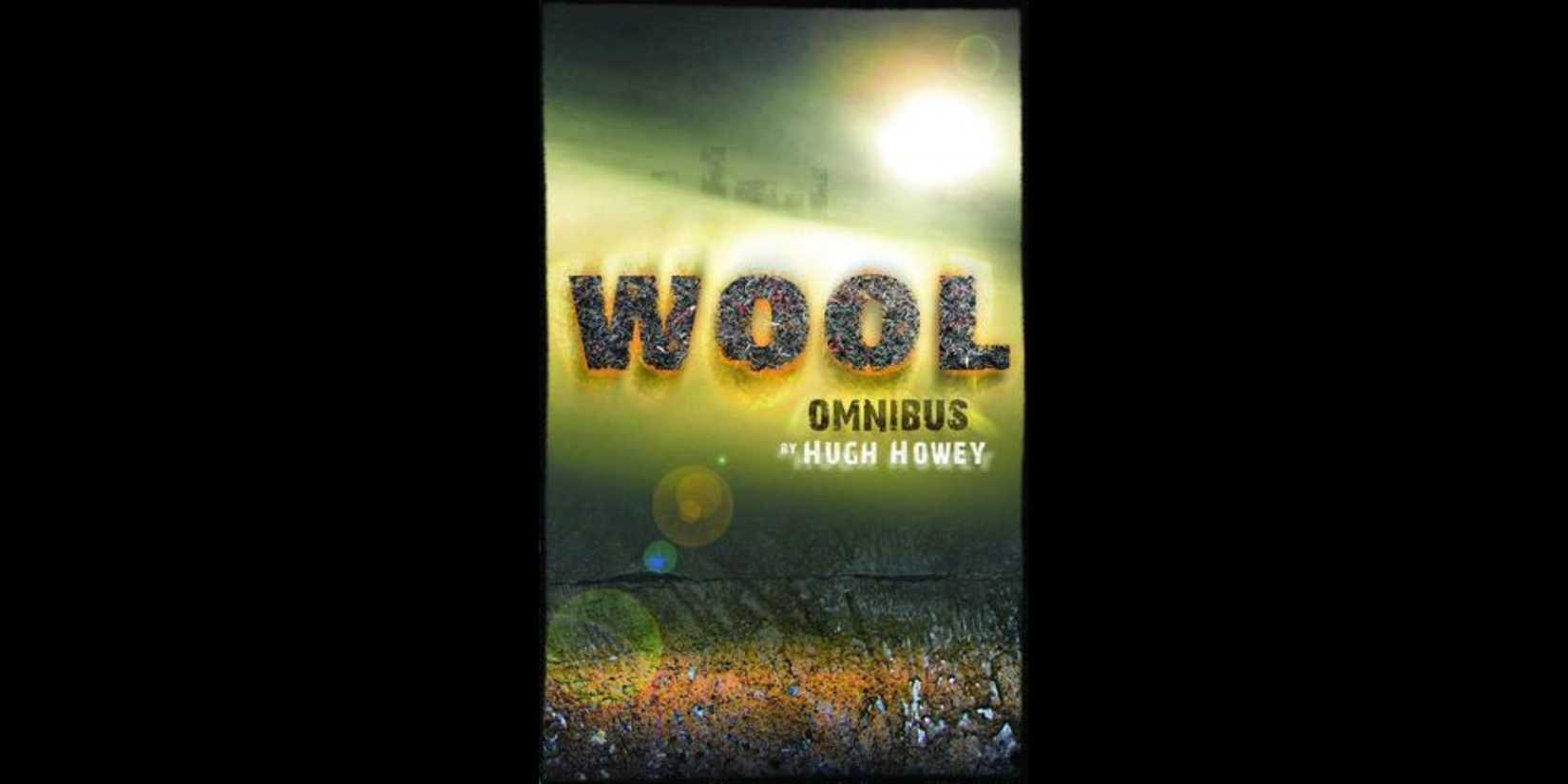
The Silo trilogy began with Hugh Howey's self-publication of the first Wool short story in 2011. Thanks to the success of the story, he wrote further entries and eventually published all short stories as a single book. Then followed by Shift and Dust, the Silo trilogy finds the remnants of humanity living in a subterranean bunker whose residents are forbidden from speaking about the outside world, which they believe has become a toxic wasteland.
Widely considered one of the defining non-YA post-apocalyptic works of the last couple of decades, the Silo trilogy has only further grown in popularity and mainstream prominence with the success of Apple TV's show adaptation of the same name. The atmosphere of the bunker is as claustrophobic as it is fascinatingly mysterious, and the way each entry allows the scope and lore of the series to evolve in all sorts of unexpected ways is precisely why it's such a legendary modern trilogy.
4 The Arc of a Scythe Trilogy

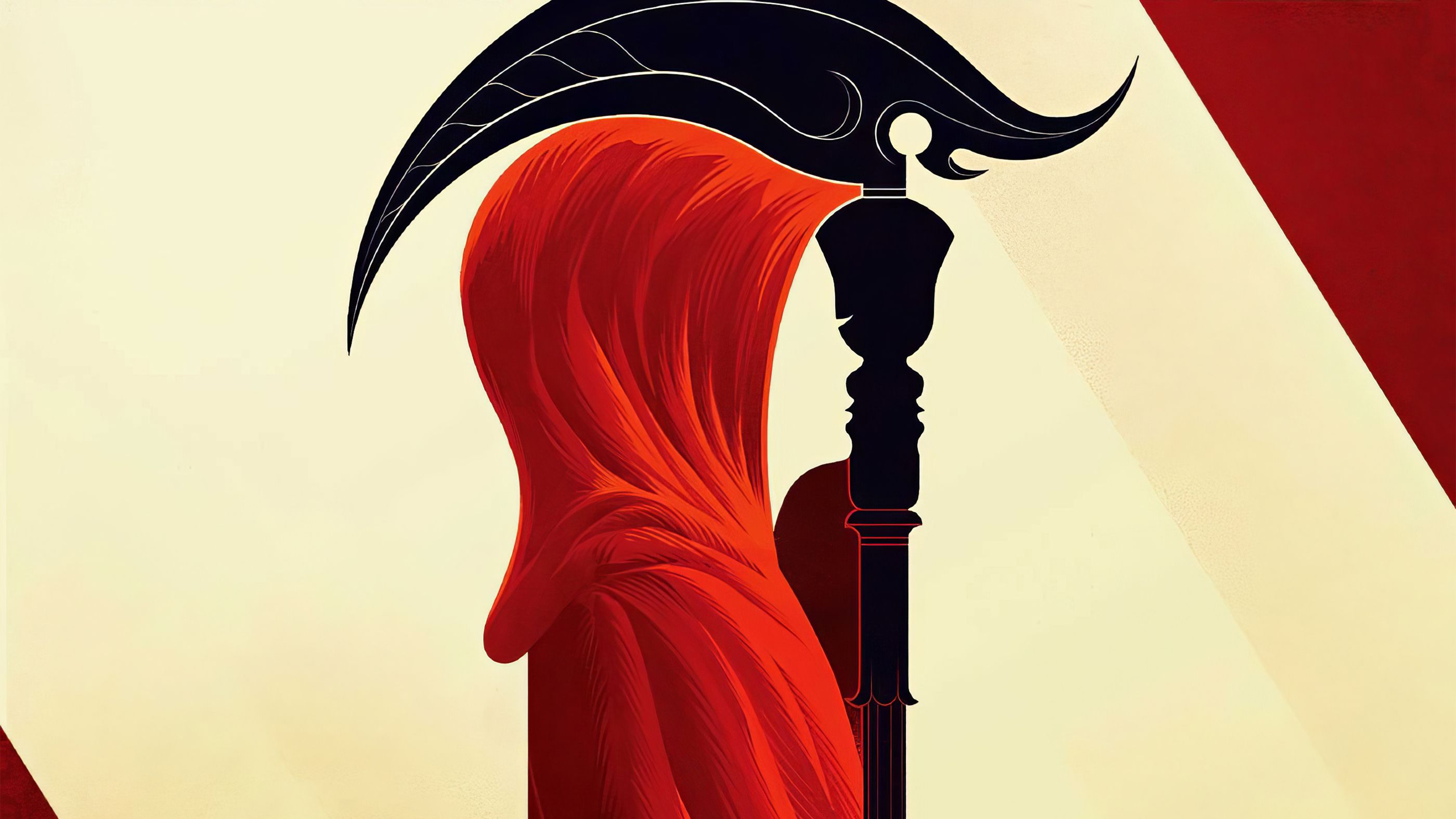
Most dystopian books are unambiguously dystopian, exploring a world torn apart by war, disease, the climate crisis, or some other kind of fatal catastrophe. Few books in the genre throughout history have been bold and ambitious enough to set their stories in utopian worlds, exploring how even a future where humanity has eliminated virtually any negative element of existence—including death itself—can turn dystopian when you take a peek under the surface. Neal Shusterman's Arc of a Scythe books do this so brilliantly that they should be considered essential reading for fans of dystopian literature.
The whole trilogy is a potent thematic exploration of one fascinating philosophical question: the implications and costs of a truly technologically perfect world. It's intellectual work that feels chillingly relevant and surprisingly ahead of its time, paired with some profoundly compelling character arcs and escalating stakes that make Scythe, Thunderhead, and The Toll three of the most masterful YA novels that the world has seen throughout the last 10 years.
3 The Hunger Games Trilogy
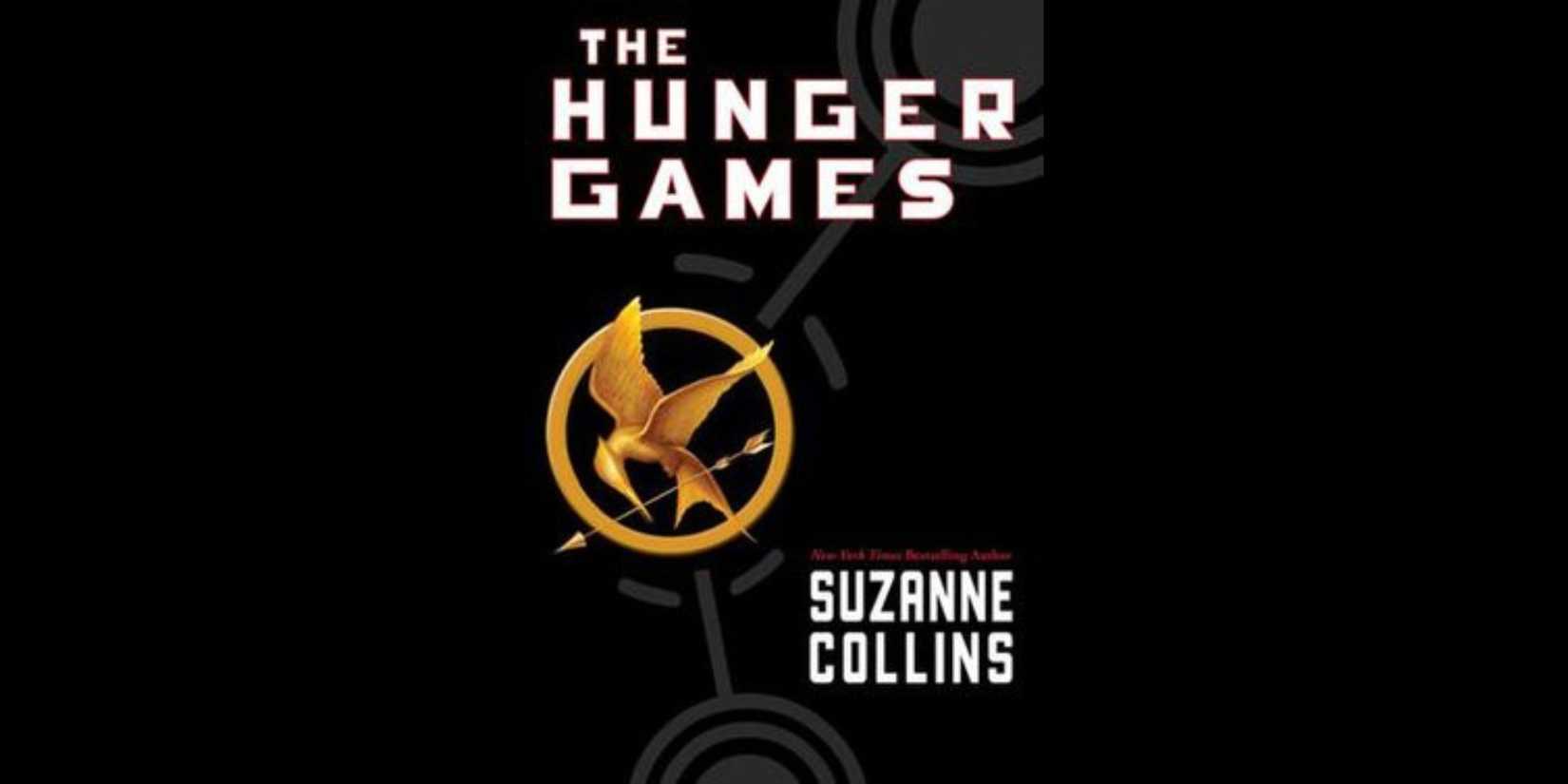
There simply aren't very many dystopian books better than The Hunger Games. When genres blow up in popularity, it's usually due to a layered mix of triggers. However, when talking about the YA dystopia boom of the late 2000s and early 2010s, one can pretty much point to a single reason: the culture-shifting success of Suzanne Collins' The Hunger Games and its sequels, Catching Fire and Mockingjay. Collins has added two prequel books to the series, but the mainline trilogy is still one of the best YA book trilogies in history.
Though fans tend to agree that Mockingjay is quite easily the weakest installment of the three, it's nevertheless undeniable that the tremendous pop-cultural impact of the Hunger Games trilogy was not only perfectly understandable, but also well-deserved. The social and political commentaries are sharp and surprisingly nuanced, the character writing is riveting, and the action is as brutal as it is emotionally engaging. All in all, this has become the gold standard for YA dystopian books, and though the genre is no longer as popular as it used to be, The Hunger Games still reigns supreme.
2 The Sprawl Trilogy
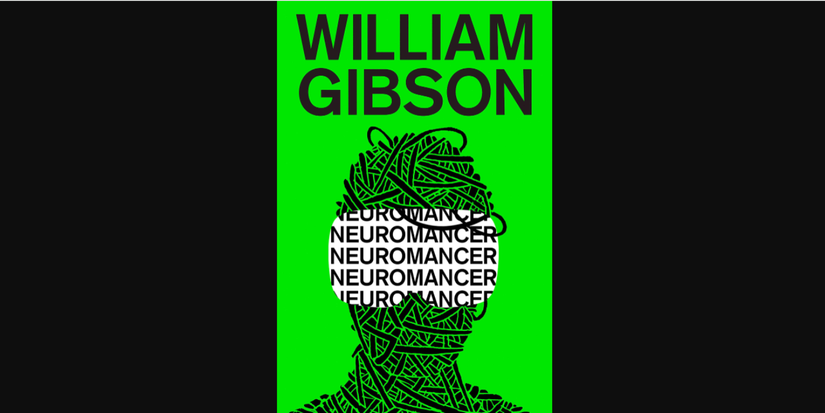
By the time 1984 rolled in, William Gibson was already well-established as a great writer of countercultural short stories for science fiction publications, but all those who had read his work knew that he was destined for something greater. Even they, however, couldn't have possibly predicted what he would do next, which was publishing Neuromancer, one of the most groundbreaking novels in sci-fi history, about a number of characters navigating a dystopian, corporate-dominated near-future.
One of the best Hugo Award winners of all time, Neuromancer completely redefined the cyberpunk genre and single-handedly established its modern identity. And while the rest of the Sprawl trilogy, Count Zero and Mona Lisa Overdrive, may not have had quite the same kind of pop-cultural impact, this is still one of the most foundational book trilogies in the history of both science fiction and dystopian fiction.
1 The Broken Earth Trilogy
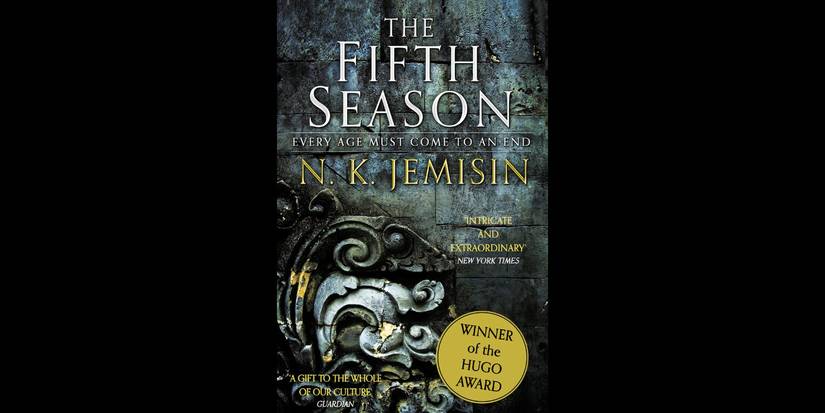
N. K. Jemisin's Broken Earth trilogy is absolutely unprecedented, in that it became the first book trilogy ever to have each of its installments win the Hugo Award for Best Novel in three consecutive years. Composed of The Fifth Season, The Obelisk Gate, and The Stone Sky, it is easily one of the greatest science fantasy book series in history, about a woman journeying across a dying world to rescue her kidnapped daughter after a rift fractures the continent.
Sure, this may be one of those book series that peaked with their first entry, but seeing as each of the Broken Earth trilogy's installments is itself a masterpiece, that only speaks to the tremendous quality of this must-read trilogy. For one, Jemisin's unique blend of sci-fi and fantasy elements creates one of the most unique and fascinating dystopias that the genre has ever seen. Add to that an audacious narrative structure, plenty of experimental elements, and some incredible worldbuilding, and there should be no question left as to why the Broken Earth trilogy is the best in the history of the dystopian genre.
KioskNews shows a cleaned-up reading view extracted from the publisher’s page — the original always lives on their site, not ours.