Jobs report shows hiring accelerated in October
The jobs report is the first major economic data release since the midterms.
A jobs report to be released on Friday will offer the first major economic data since the midterm elections, providing a gauge of the United States economy as the stock market seesaws in response to the election results.
The Dow Jones Industrial Average recorded its best performance in more than a year on Wednesday, just a day after the midterm elections. A selloff on Thursday wiped out all of those gains, however, as investors appeared to digest risk for the tech industry posed by newly empowered Democrats.
The fresh jobs data, meanwhile, is set to arrive at a delicate moment for the Federal Reserve, where policymakers are weighing a rate increase that could help tackle inflation but risks a slowdown in hiring.
The labor market is growing at a fairly robust clip, though performance from one month to the next has fluctuated dramatically.
Economists expect employers to have added 59,000 jobs in October, which would mark an uptick from 29,000 jobs added in September. That figure indicated a sharp slowdown from 133,000 jobs added in the month prior, U.S. Bureau of Labor Statistics data showed.
The U.S. added an average of about 68,000 jobs per month over the first nine months of this year, according to an analysis by the Atlanta Federal Reserve. That pace marks an improvement from an average of 10,000 jobs added each month in 2025.
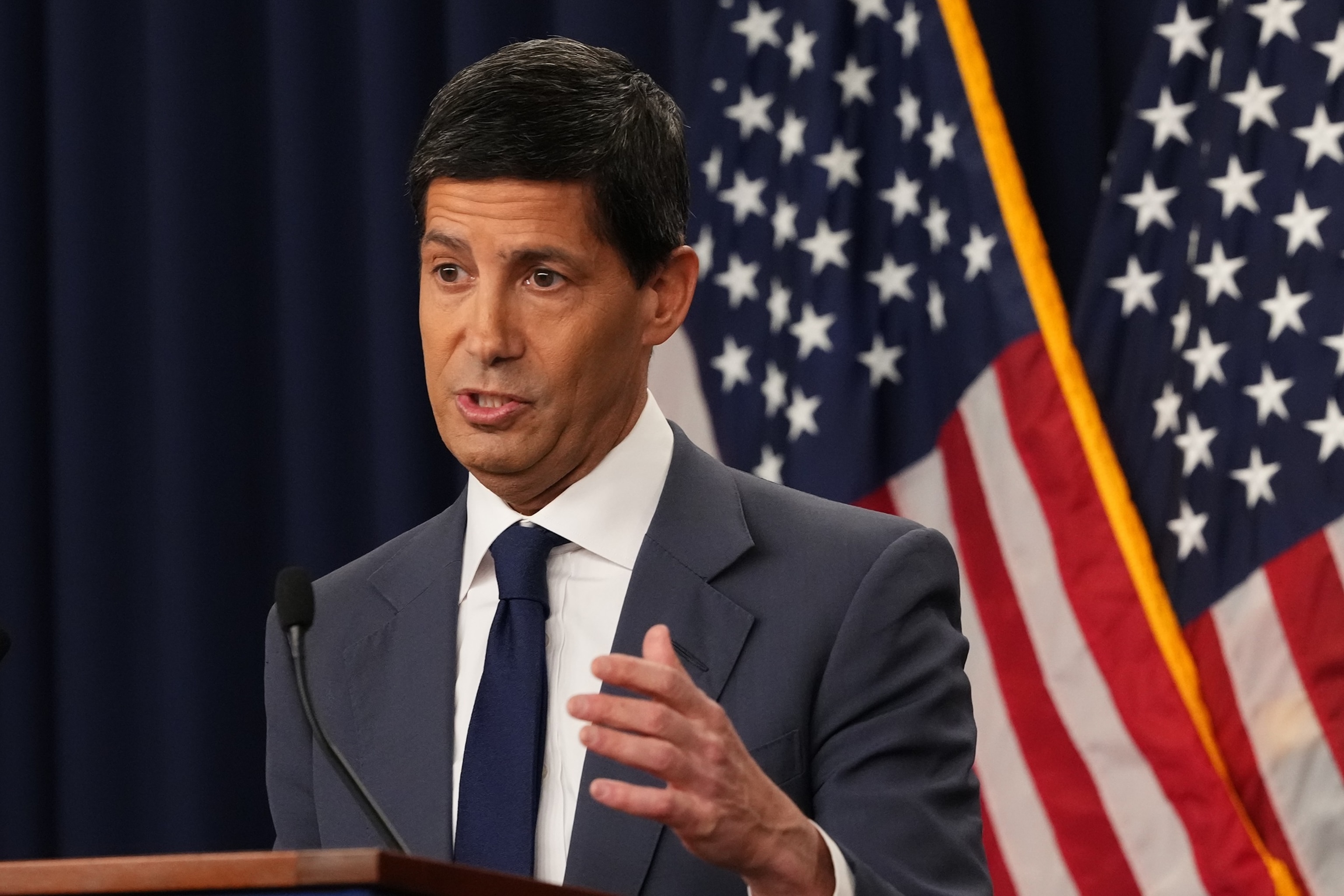
Federal Reserve Board Chairman Kevin Warsh speaks during a news conference at the Federal Reserve, Oct. 28, 2026, in Washington.
Julia Demaree Nikhinson/AP Photo
The Iran war drove up gasoline prices and catapulted inflation to a three-year high in May. Inflation eased over the summer, but continued fighting has kept price increases well above pre-war levels.
The annual inflation rate stands at 3.7% as of September, the most recent month on record, putting inflation more than a percentage point above the Fed's target rate of 2%.
The combination of elevated inflation and a resilient labor market prompted the Fed to raise interest rates a quarter of a percentage point in September. It marked the Fed's first rate hike since 2023.
That rate increase intends to help cool off inflation by slowing the economy and eating away at demand, though such a policy move typically yields results after a lag time lasting several months.
Policymakers may lose patience as they weigh whether the current level of interest rates is high enough to ease price hikes. The odds of a quarter-point rate hike at the Fed's next meeting in December are pegged at about 68%, according to CME Group's FedWatch Tool, a measure of market sentiment.
KioskNews shows a cleaned-up reading view extracted from the publisher’s page — the original always lives on their site, not ours.