The 8 Most Amazing Thriller Movies Ever Made
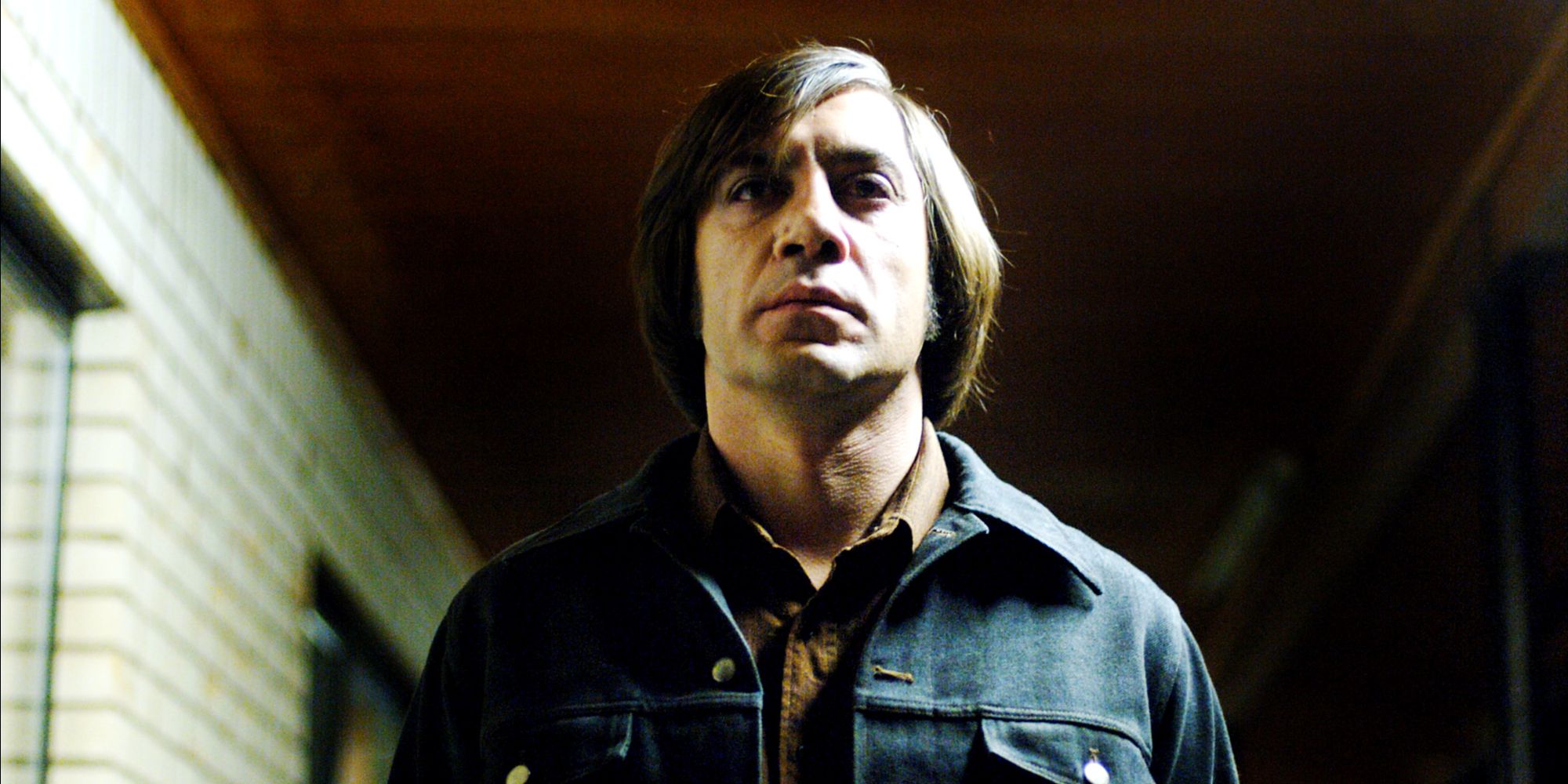
I think the real test of a thriller is what happens after you stop being surprised. Once you know who is lying, where the danger is coming from, and which door should never be opened, does the movie still have a pulse? The great ones do. They stop being puzzles and become something more dangerous — character studies about obsession, fear, ego, guilt, control, and the terrible decisions people make once they think they understand the situation.
These eight are the movies I keep wanting to force on somebody who has never seen them, because each one contains at least one moment I desperately want to watch through somebody else’s face. A glance. A conversation. A bad decision. A person realizing too late that they misunderstood everything. That is the high I keep chasing with thrillers. Here are the 8 most amazing thrillers ever made.
8 'Parasite' (2019)

Parasite follows the struggling Kim family as they gradually con their way into jobs inside the wealthy Park household, hiding the fact that they are related while presenting themselves as a tutor, art therapist, driver, and housekeeper. For a while, the deception feels almost playful. Then one rainy night exposes something hidden inside the house, and suddenly everybody’s position becomes far more precarious.
What I love is how cleanly Bong Joon-ho turns class differences into physical space. He has helmed the film in a way that people are constantly moving up and down stairs, entering basements, descending into neighborhoods, or looking through enormous windows at lives they cannot afford. The rainstorm destroys the Kims’ home while the Parks wake up delighted by the fresh air. That contrast is savage because nobody needs to explain it. And when the birthday party collapses into violence, the movie does not suddenly change into something else. It simply shows how much pressure was sitting underneath the comedy all along.
7 'North by Northwest' (1959)
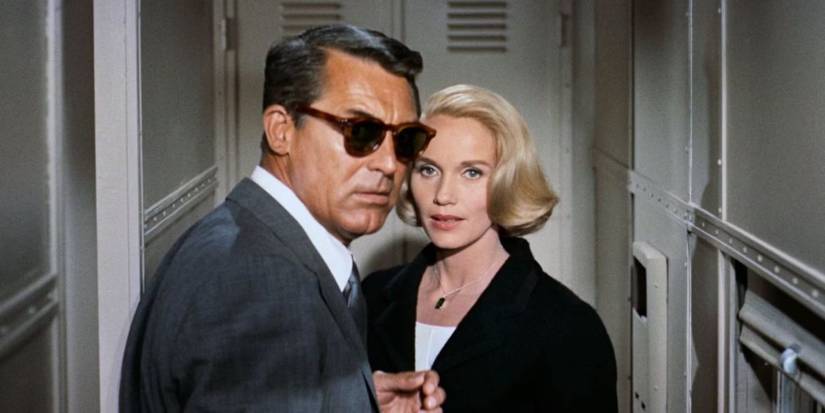
Roger Thornhill (Cary Grant) is mistaken for a government agent named George Kaplan and dragged into a conspiracy he knows absolutely nothing about. North by Northwest follows him across the country as he tries to figure out who wants him dead, why nobody believes him, and whether Eve Kendall (Eva Marie Saint) is helping him or playing him.
I still think Roger standing alone in that enormous open field while the crop-duster circles back toward him is one of the cleanest pieces of suspense ever put on film. Alfred Hitchcock directed it with almost mischievous confidence. There is no dark alley, no dramatic music, barely anywhere to hide. The danger just appears in broad daylight. But Grant is what makes the whole thing sing. Roger survives partly because he can improvise socially as quickly as he can physically, and the movie keeps finding situations where charm is almost useful enough to save him. Almost.
6 'Se7en' (1995)
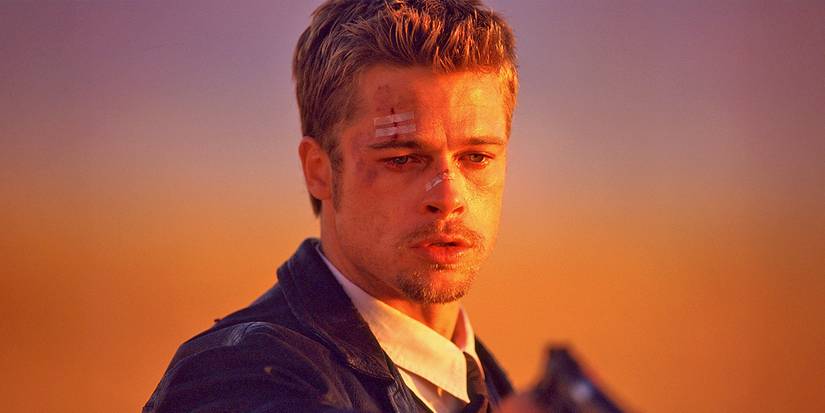
Se7en follows veteran detective William Somerset (Morgan Freeman) and his younger partner David Mills (Brad Pitt) as they investigate a murderer staging his crimes around the seven deadly sins. Somerset approaches the case with weary intelligence, while Mills attacks it with anger and certainty, and the killer slowly turns those differences into something horribly personal.
David Fincher directed the film like the city itself had gone rotten. Rain, cramped apartments, fluorescent offices, anonymous streets — nothing feels clean enough to escape what the detectives are chasing. But the part that gets me is how methodically the killer studies them. Somerset understands evil intellectually. Mills experiences it emotionally. The film spends two hours sharpening that contrast until the final drive into the desert, where every earlier character detail suddenly matters. I would never spoil what happens there for somebody new to the film. Watching that confidence drain out of Mills is the point.
5 'No Country for Old Men' (2007)
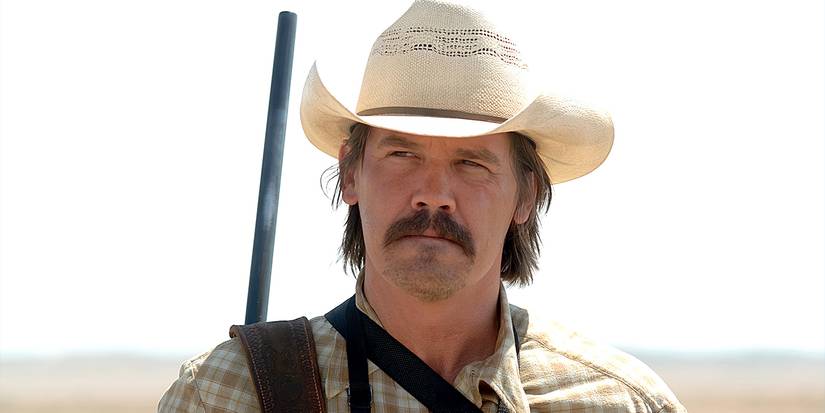
Llewelyn Moss (Josh Brolin) discovers a briefcase full of money at the aftermath of a drug deal and decides to take it. No Country for Old Men follows the consequences of that choice as Anton Chigurh (Javier Bardem) tracks him with terrifying patience, while Sheriff Ed Tom Bell (Tommy Lee Jones) tries to understand the violence spreading through his jurisdiction.
Joel and Ethan Coen directed the film with such restraint that even silence starts feeling threatening. Chigurh’s gas-station conversation is still unbelievable to me because almost nothing outwardly happens, yet the poor man behind the counter gradually realizes his life may depend on a coin toss. And Bell is the reason I keep returning. He is not chasing a villain so much as trying to make sense of a world that seems less familiar every year. The movie refuses to give him the satisfaction most thrillers would. That refusal is exactly why it stays with me.
4 'Zodiac' (2007)
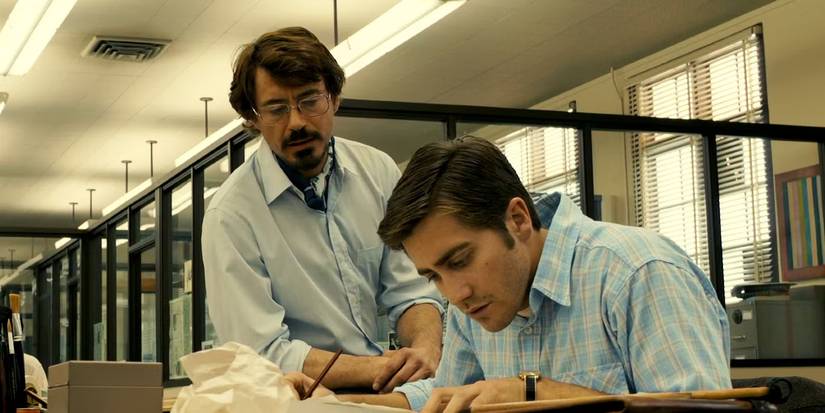
Zodiac follows cartoonist Robert Graysmith (Jake Gyllenhaal), journalist Paul Avery (Robert Downey Jr.), and inspector Dave Toschi (Mark Ruffalo) as they become entangled in the real investigation of the Zodiac killer, whose letters and coded messages keep drawing investigators and the press deeper into a case that refuses to become tidy.
The thing that fascinates me is how obsession changes shape depending on who is carrying it. Avery becomes reckless. Toschi becomes professionally trapped. Graysmith becomes almost incapable of leaving the case alone. David Fincher directed the film with an extraordinary respect for process, letting handwriting, dates, phone calls, and tiny inconsistencies accumulate until we start thinking like Graysmith. Then comes that basement visit, where one ordinary conversation becomes almost unbearable because every detail seems wrong. Nothing jumps out. That is why I can barely breathe through it.
3 'Vertigo' (1958)

Former detective John Ferguson (James Stewart) is hired to follow Madeleine Elster (Kim Novak), a woman whose strange behavior appears connected to a dead relative. Vertigo begins as an investigation and gradually becomes something much more disturbing as John’s fascination with Madeleine hardens into obsession.
What makes this movie dangerous is how long Hitchcock lets us inhabit John’s point of view before forcing us to see what that obsession actually looks like from the outside. Vertigo was directed by Alfred Hitchcock, and the green-lit hotel scene may be the most unsettling romantic image he ever created. John thinks he is recovering something precious. Judy (Kim Novak) is being erased in front of him. Stewart’s performance gets uglier the more desperate he becomes, while Novak carries the emotional burden of understanding exactly what he wants from her. That imbalance is why the movie keeps getting more uncomfortable every time I revisit it.
2 'Rear Window' (1954)
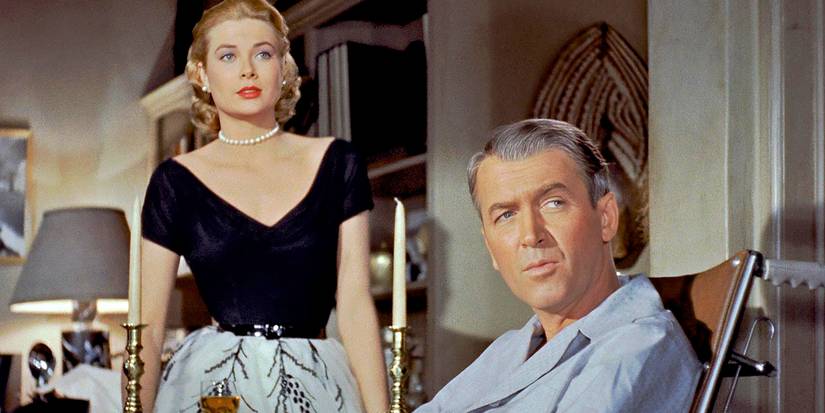
Photographer L.B. Jeffries (James Stewart) is stuck in his apartment with a broken leg and starts watching his neighbors across the courtyard to kill time. Rear Window becomes a murder mystery when Jeffries begins to suspect that salesman Lars Thorwald (Raymond Burr) has killed his wife, pulling girlfriend Lisa Fremont (Grace Kelly) and nurse Stella (Thelma Ritter) into his increasingly obsessive investigation.
The genius is that Jeffries can see almost everything and still do almost nothing. And Rear Window comes from Hitchcock too. He traps you inside that limitation with him. When Lisa enters Thorwald’s apartment, Jeffries is reduced to watching through binoculars while the danger walks back toward her. That helplessness is agonizing. But I also love how the investigation changes Jeffries’ understanding of Lisa. He initially treats her elegance as evidence that she is unsuited to his life. Then she starts taking risks he never imagined she would. The mystery is fantastic. Their relationship quietly becomes the better one.
1 'The Silence of the Lambs' (1991)
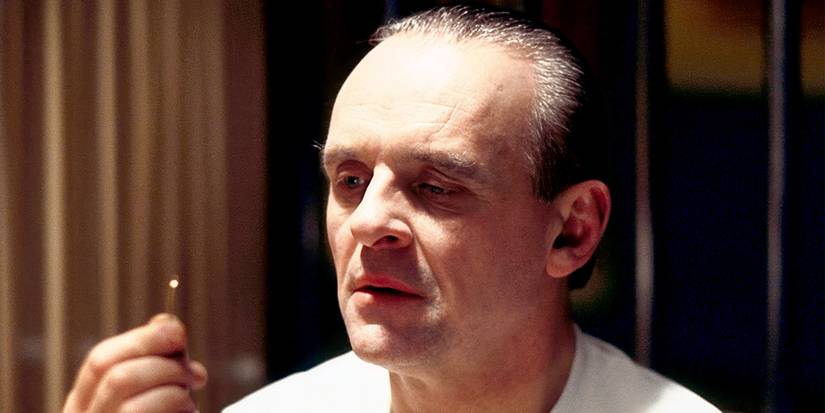
Jonathan Demme’s The Silence of the Lambs follows FBI trainee Clarice Starling (Jodie Foster) as she interviews imprisoned psychiatrist and serial killer Hannibal Lecter (Anthony Hopkins) in the hope that his insights can help capture Buffalo Bill (Ted Levine), who is abducting and murdering women. Every conversation between Clarice and Lecter becomes a trade: information for information, insight for vulnerability. This is such a dense film that it can fit both in the thriller-psychological, and horror genres easily.
The unnerving direct close-ups that make Lecter feel like he is looking through Clarice rather than at her give life to this whole film. But Clarice is never merely prey to his intelligence. That is what makes their relationship extraordinary. She absorbs the discomfort, answers when she must, resists when she can, and keeps doing the actual work. Then the final hunt drops her into darkness while Bill watches through night-vision goggles, and the power balance becomes almost unbearable. I know exactly what is coming every time. My shoulders still tense up. That is why this remains number one for me. It is not just frightening. It is psychologically alive in every single conversation.
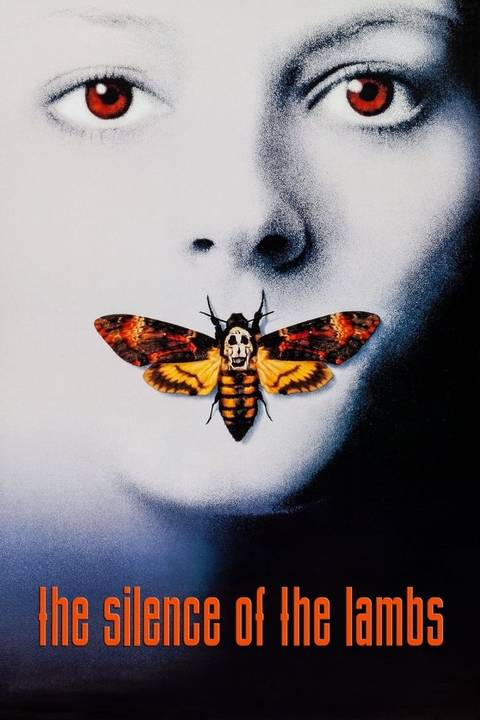
The Silence of the Lambs
- Release Date
- February 14, 1991
- Runtime
- 119 minutes
- Director
- Jonathan Demme
- Writers
- Ted Tally, Thomas Harris
KioskNews shows a cleaned-up reading view extracted from the publisher’s page — the original always lives on their site, not ours.