Israel’s security partnerships must be built on reciprocity, not convenience - opinion
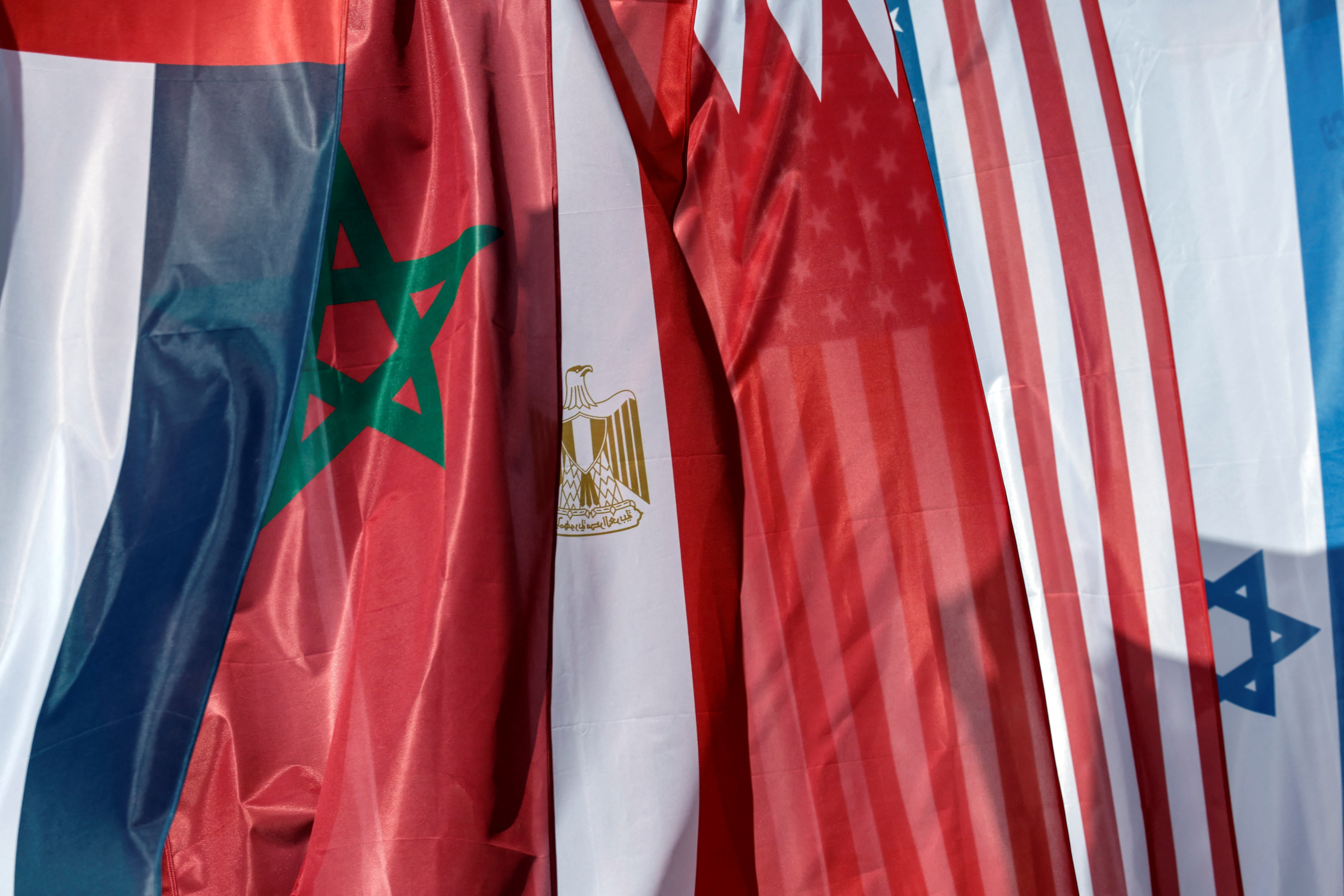
Israel is not a mistress; these countries can hide while seeking to enjoy the benefits of its intelligence and other capabilities.
Security alliances are not tested at signing ceremonies. They are tested when the missiles arrive. Peaceful relations are also tested when one partner must publicly stand beside the other.
An all too convenient pattern has emerged in the Middle East. Countries seek Israeli intelligence, technology and security assistance, but when the time comes to vote in the international arena, they find it remarkably easy to raise their hands against Israel.
A widening divide has emerged between cooperation behind closed doors and conduct in public. Israel can no longer accept this disparity as inevitable.
Saudi Arabia is a prime example of this contradiction. The Houthis threaten its infrastructure, trade routes, and position as the guardian of Islam’s holy sites. Abdul Malik al-Houthi is not merely issuing a military threat. By portraying his followers as more loyal to Mecca and the Kaaba than the kingdom’s rulers, he is challenging the religious legitimacy of the Saudi royal family.
Ceremonial declarations of support are not enough to confront such a threat. Saudi Arabia needs intelligence, early warning systems, and a genuine defensive capability.
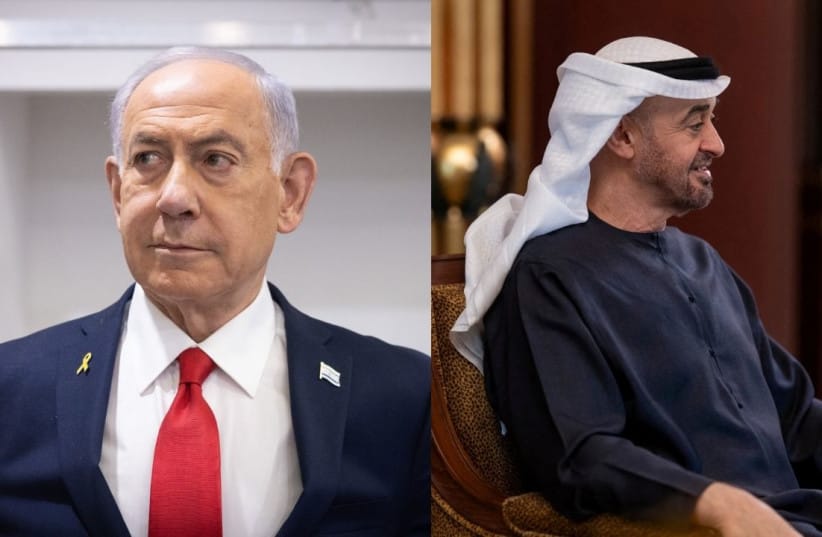
The defense agreement Saudi Arabia signed with Turkey and Pakistan in August was intended to provide that security. The commitment to treat an attack against one country as an attack against all sounds impressive, but signatures do not intercept missiles.
Reuters reported that the countries’ military commanders met in Riyadh in September to deepen intelligence cooperation and military coordination. The meeting itself does not constitute a failure, but neither does it prove that the alliance is already capable of providing the protection it promised.
When danger approaches, Israel suddenly becomes a practical address. Israel Hayom reported that contacts mediated by US Central Command were taking place over possible Israeli intelligence assistance against the Houthis and the protection of strategic sites in Saudi Arabia.
This is where the absurdity becomes apparent. Israeli capabilities are highly desirable, yet publicly acknowledging Israel’s value remains something that can be postponed. The intelligence is requested now, while the diplomatic gesture is promised, if at all, for a future that never seems to arrive.
Israel should therefore be cautious about recurring reports that normalization with Saudi Arabia is merely a matter of time. A need for intelligence does not constitute recognition of Israel, and a secret meeting is not an embassy.
Shared interests may be bringing the countries closer, but there is no justification for turning every security discussion into a diplomatic celebration. As long as Riyadh seeks to benefit from cooperation without publicly acknowledging it, the road between Mecca and Jerusalem remains far longer than we are being told.
The problem, however, is not limited to countries that have yet to establish relations with Israel. Jordan and Egypt raise an even sharper question: What is the meaning of a peace agreement when practical cooperation exists alongside repeated opposition to Israel in diplomatic forums?
Peace does not require agreement with every Israeli action. It does, however, justify an expectation of fairness, a distinction between Israel and its enemies, and a willingness to occasionally depart from the chorus of automatic condemnations.
A peace agreement cannot remain a document invoked only when it is useful. When Israel is regarded as a necessary partner in matters of security and stability, that reality should also be reflected in diplomatic language and international voting.
Israel cannot be expected to show endless consideration for the domestic sensitivities of its neighbors while those same countries treat Israeli sensitivities and Israeli citizens as though they deserve no consideration at all.
A vote against Israel is not necessarily a vote against its very existence, and every resolution must be evaluated on its merits. That is precisely why Israel should demand independent judgment rather than automatic opposition.
Where is the willingness to reject a one-sided resolution? Where is the demand to mention the hostages, Iran’s threats to destroy Israel, and the actions of terrorist organizations? Friendship is also measured by the willingness to say uncomfortable things in a hostile forum. A partnership that exists only when convenient is a very limited partnership.
The Flydubai flight incident illustrated this divide in a troubling way. Four Israelis acted courageously to subdue the attacker and assist the wounded captain, helping to save the aircraft and its passengers.
The Indian captain and the crew members who helped land the plane deserve full recognition. The Israelis also deserve explicit and public acknowledgment. This is not a competition over heroism. It is a basic demand that the identities of those who risked their lives to save others not be obscured.
The plane landed in Saudi Arabia, and the passengers eventually returned to Israel on an alternative flight. However, Saudi authorities refused to authorize an Israeli rescue flight.
These passengers had endured a terrible trauma and wanted to return home. Yet even at that moment, the diplomatic barrier remained in place. Saudi Arabia permitted the aircraft to land and assisted in managing the emergency, but why could it not also allow an Israeli rescue flight?
If even a limited humanitarian gesture is met with refusal, what readiness for normalization are we talking about?
Israel's relation with the United Arab Emirates
The United Arab Emirates took an important diplomatic step by establishing relations with Israel. It should therefore also be expected to publicly recognize the Israelis who participated in the rescue.
Emirati authorities rightly praised the bravery of the Indian pilot, but not a single word was said about the four Israeli heroes who helped save the aircraft and everyone aboard it.
The achievements of the Abraham Accords create higher expectations of the Emirates. Saying “thank you” does not create a strategic risk, and recognizing Israeli heroism does not require surrendering a diplomatic position. A country capable of cooperating with Israel should also be capable of giving Israelis the respect they deserve.
Israel must draw practical conclusions. It need not end assistance that also serves its own security interests. But that assistance should not be provided out of habit, subservience, or a vague hope that one day someone will express gratitude.
Every form of cooperation should be evaluated against what Israel receives in return: protection for its citizens, humanitarian gestures, fair treatment in international institutions, and diplomatic progress.
Not every piece of intelligence requires an immediate concession in return. But a continuing relationship requires a clear balance of responsibility and reciprocity.
Jordan, Egypt, Saudi Arabia, and other countries have their own interests and domestic pressures. Israel has interests and pressures of its own. It is not obligated to use its capabilities to finance the diplomatic comfort of countries that seek its assistance in secret while distancing themselves from it in public.
National dignity is not a substitute for strategic judgment, but strategic judgment is not a justification for erasing national dignity.
The time has come to raise this demand in the discussions themselves, attach measurable objectives to it, and monitor whether they are fulfilled. Vague promises of a better future are not adequate compensation for assistance provided today. The true test of a partnership is the willingness to accept responsibility.
Israel is not a mistress these countries can hide while seeking to enjoy the benefits of its intelligence and other capabilities. Anyone who wants Israel’s help must also be prepared to treat it with fairness, respect and reciprocity.
The writer is the CEO of Radios 100FM, an honorary consul and vice dean of the Consular Diplomatic Corps, and president of the Israeli Radio Association. He previously served as a monitor for Israel Army Radio and as a television correspondent for NBC News.
KioskNews shows a cleaned-up reading view extracted from the publisher’s page — the original always lives on their site, not ours.