Global inflation debate puts BOJ rate-hike pace in spotlight
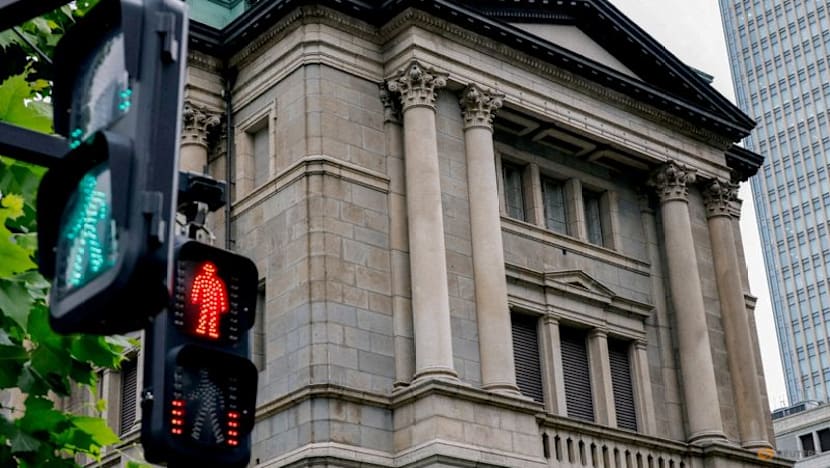
BANGKOK, Oct 16 : The Bank of Japan may face renewed pressure to increase the pace of interest rate hikes ahead of a key rate review this month, after global inflationary pressures from the Iran war and AI-driven demand shock dominated discussions at this week's IMF meetings.
BOJ Governor Kazuo Ueda will bring home insights from his discussions with G7 and G20 colleagues in Bangkok, including what his US counterpart Kevin Warsh described as a "common challenge" among global policymakers of dealing with inflation.
"We have different tools, different sequences, but I would say if I look back over the last few months ... it was a synchronous tightening in monetary policy in most places around the world, and that means there's no free riders," Warsh said.
Having just raised interest rates in September, many in the BOJ prefer to stand pat at its October 29-30 meeting to await more data on how past rate hikes have affected economic and financial conditions, sources have told Reuters.
Even so, the BOJ is likely to drop hawkish signals on the policy outlook that leave scope for a December hike, with the AI demand shock adding to inflationary pressures from high energy costs and rising import prices due to a weak yen, analysts say.
Ueda will likely hold a news briefing later on Friday in Bangkok, which will be closely watched for clues on the pace and timing of future interest rate hikes.
UPSIDE RISKS TO INFLATION
During this week's annual meetings, the International Monetary Fund (IMF) highlighted the resilience of the global economy against external shocks such as the Middle East war, with the pain mitigated by brisk AI-related demand.
Global policymakers, however, also warned of the inflationary pressure from the AI boom that could warrant further monetary tightening - a message particularly relevant to the BOJ given its still-low borrowing costs.
Such discussions may affect the BOJ's new quarterly growth and inflation projections due at this month's rate review, which may offer clues on how quickly it could raise rates ahead.
Already, the BOJ has pivoted away from its cautious approach towards a policy more focused on combatting inflationary risks by hiking rates in June and September.
And yet, at 1.25 per cent, its policy rate means real borrowing costs are negative with inflation hovering around its 2 per cent target and seen accelerating as firms pass on input costs to households.
US Treasury Undersecretary Erin Browne kept pressure on the BOJ to continue tightening to prevent disorderly yen falls, saying on Friday Japan must adjust its monetary policy to reflect that it no longer faces a deflationary environment.
The US Federal Reserve's rate decision at its October 27-28 meeting could also affect the BOJ's debate through any impact on the yen, as the still-wide US-Japan rate divergence has caused the currency to weaken and increased import costs.
BOJ board member Junko Koeda said on Thursday the central bank should not become overly cautious about raising interest rates given considerable upside risks to inflation, signalling the chance of a near-term hike in borrowing costs.
KioskNews shows a cleaned-up reading view extracted from the publisher’s page — the original always lives on their site, not ours.