The Jerusalem PostFrance braces for renewed nationwide protests as Macron's government vows tough responseESPNSources: Walter, Kushner finalize terms of Lakers sale at $12.5B valuationPunchDelta monarch backs Customs’ anti-smuggling driveInquirerFlower prices go up in Bohol ahead of UndasUN NewsSomalia looks to the future as the UN's political mission closesCNN TürkSon dakika haberi: İstanbul'da 310,5 milyon liralık kaçak elektronik sigara operasyonu한겨레이 대통령, ‘집값 하락 전망’ 공유하며 “시간 지나면 알게 될 것”Bollywood HungamaSanjay Gupta Funeral: Final Rites to be held at Mumbai’s Pawan Hans crematorium on October 31ZDF heuteEntdecken Sie das ZDF-NachrichtenstudioCollider‘The Lincoln Lawyer’ Officially Meets Its Match in Lana Parrilla’s Legal HitFootball ItaliaCannavaro: ‘Spalletti and Allegri are similar, Kolo Muani and Hojlund less killer than strikers of my era’OnetWładysław Kosiniak-Kamysz zabrał głos. Idzie na rozmowy z prezydentem
The Daily Newsstand · Free, Always
Saturday, October 31, 2026

How ancient Chinese stayed cosy using gadgets found in classical literature, historic artwork
Translate

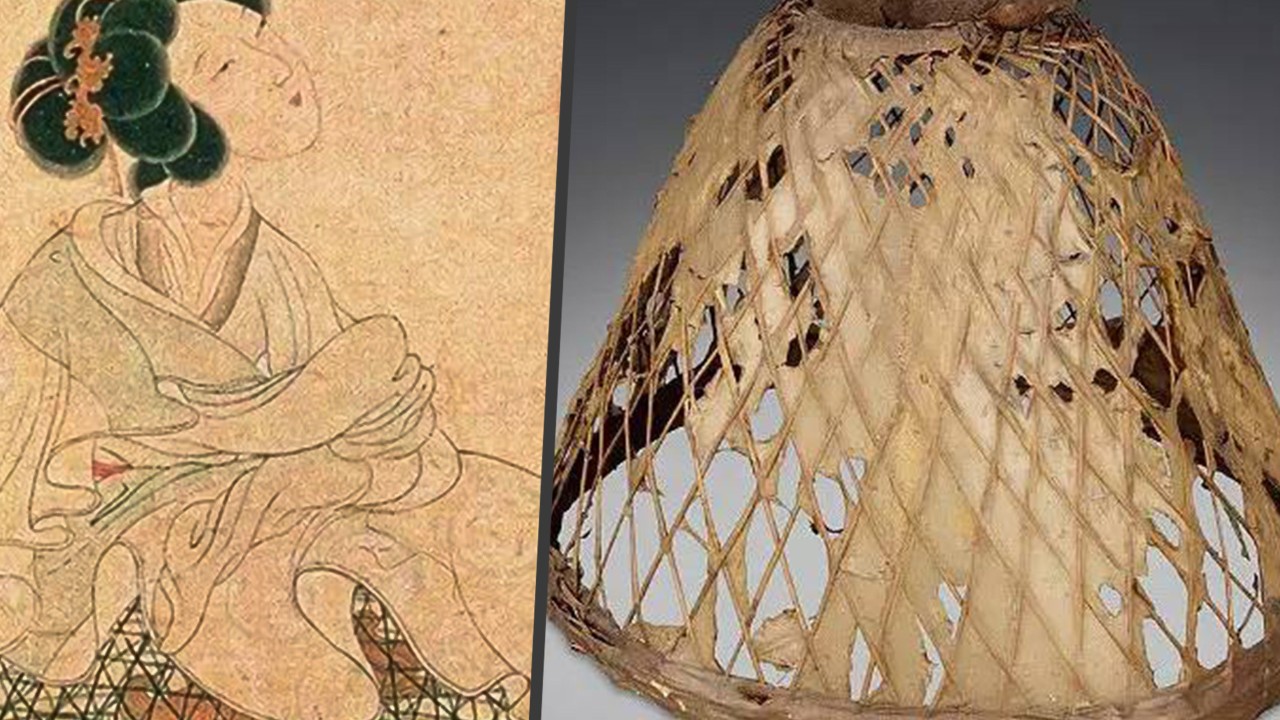
In ancient China, without electricity, how did people stay cosy at home during freezing winters? The answer lies in warming baskets, which have been used for more than 2,000 years.

A traditional warming basket featured a charcoal brazier beneath a bamboo cover. One of the earliest written references to the device dates back to the Qin and Han dynasties (221 BC–220).

At first, the basket served as a stove to keep a room warm. Later, people added incense to the brazier and placed a basin of water beneath the basket. This allowed it to double as a garment steamer, drying clothes while infusing them with fragrance.

View the original on South China Morning Post →

KioskNews shows a cleaned-up reading view extracted from the publisher’s page — the original always lives on their site, not ours.