Food prices in Ghana remain largely stable – AGRA report
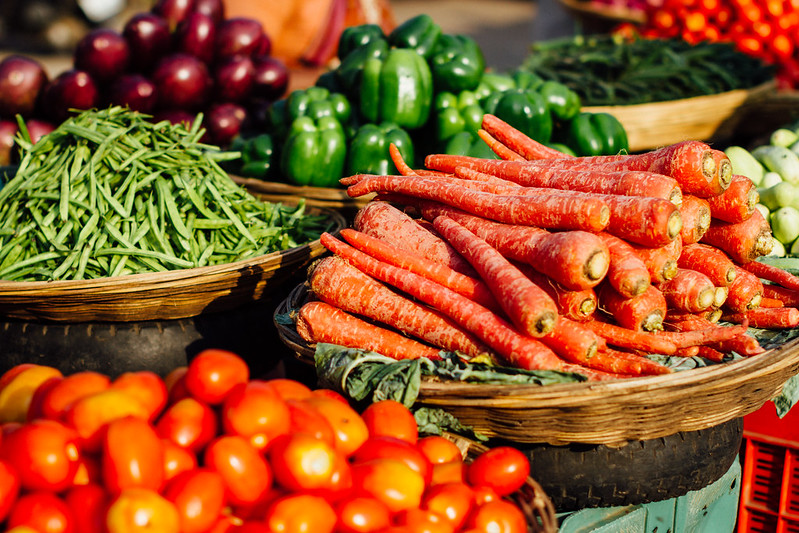
The latest AGRA Food Security Monitor report says food prices in Ghana remained largely stable in August compared to the previous month.
The August 2026 report says overall food price conditions remain relatively unchanged compared to July, with variations across food commodities such as rice, maize, and sorghum.
The report says the national average price of rice remained stable at GHS 11,100/MT, showing no month-on-month change.
“Prices were slightly higher than three months earlier (+0.9%) but remained 10.1% below six-month levels and 16.4% lower than a year earlier, reflecting adequate domestic and imported rice supplies.”
Click here to read the full report
The price of sorghum also remained stable during the month, with the national average price unchanged at GHS 5,833/MT.
“Prices were slightly lower than three months ago (-1.2%) and significantly below six-month levels (-10.3%), indicating improved market supplies compared to earlier in the year,” the report said.
However, prices remained 2.9% higher than a year earlier, suggesting that domestic market conditions are still somewhat firmer than those prevailing during the same period last year.
The report, however, notes the national average price of white maize increased by 8.9% month-on-month to GHS 3,141/MT.
“However, prices remained 8.9% lower than six months ago and 36.3% below year-earlier levels, suggesting that despite recent market tightening, overall supply conditions remain more favourable than a year ago.”
On broader cost-of-living trends, the report says Ghana experienced further increases in fuel prices in August.
Petrol prices rose by 3% and diesel prices by 1% compared with July. As a result, petrol and diesel prices stood 29% and 19% above March levels respectively, indicating sustained upward pressure in the domestic fuel market
The monthly Food Security Monitor tracks food security across 17 countries in Eastern, Southern, and Western Africa.
The report is produced by AGRA with support from the UK Government’s Foreign, Commonwealth & Development Office (FCDO) through the Africa Food Trade & Resilience Programme.
Regional and global trends
On regional trends, the report observes that in West and Central Africa, first-season maize production has generally remained near average, but agricultural conditions remain fragile across Nigeria's Middle Belt, Mali, Burkina Faso, Benin, Chad, and parts of the Sahel due to highly variable rainfall distribution and localized moisture deficits.
Although seasonal forecasts suggest generally average rainfall across much of the region, drier-than-normal conditions are anticipated in some coastal zones and in central Nigeria, potentially affecting crop performance later in the season.
Across Africa, fertiliser prices remained elevated in several countries, particularly in East and Southern Africa, although recent declines in countries such as Zambia, Ghana, and Nigeria suggest easing price pressures and improving market conditions in some markets amidst policy interventions.
The report notes global commodity market trends in August 2026 were characterised by rising food and agricultural commodity prices amid tightening global supply conditions, strong demand, weather-related production concerns, and trade disruptions.
Global grain markets tightened further as 2026/27 production forecasts were reduced due to adverse weather conditions, particularly in Europe, while disruptions to Black Sea exports added upward pressure on prices.
Climate-related risks higher for upcoming farming season
The AGRA report says in West and Central Africa, agricultural production has generally remained near average, but variable rainfall, localised moisture deficits, conflict, displacement, and market disruptions continue to threaten livelihoods and food access.
Overall, the combination of El Niño-driven climate shocks, conflict, economic pressures, and displacement is expected to exacerbate food insecurity across the continent, underscoring the need for early preparedness, climate adaptation, and resilience-building measures.
The report cautions that a powerful El Niño event is developing in the Pacific Ocean and is projected to become one of the strongest on record during the 2026/27 season.
It notes that the U.S. National Oceanic and Atmospheric Administration (NOAA) estimates a greater than 90% probability of its continuation and a 69% chance of surpassing all El Niño events recorded since 1950. This is significantly increasing climate-related risks across Africa.
DISCLAIMER: The Views, Comments, Opinions, Contributions and Statements made by Readers and Contributors on this platform do not necessarily represent the views or policy of Multimedia Group Limited.
Tags:
DISCLAIMER: The Views, Comments, Opinions, Contributions and Statements made by Readers and Contributors on this platform do not necessarily represent the views or policy of Multimedia Group Limited.
KioskNews shows a cleaned-up reading view extracted from the publisher’s page — the original always lives on their site, not ours.