Nvidia CEO Jensen Huang May Exit: 3 Names Who Could Replace Him
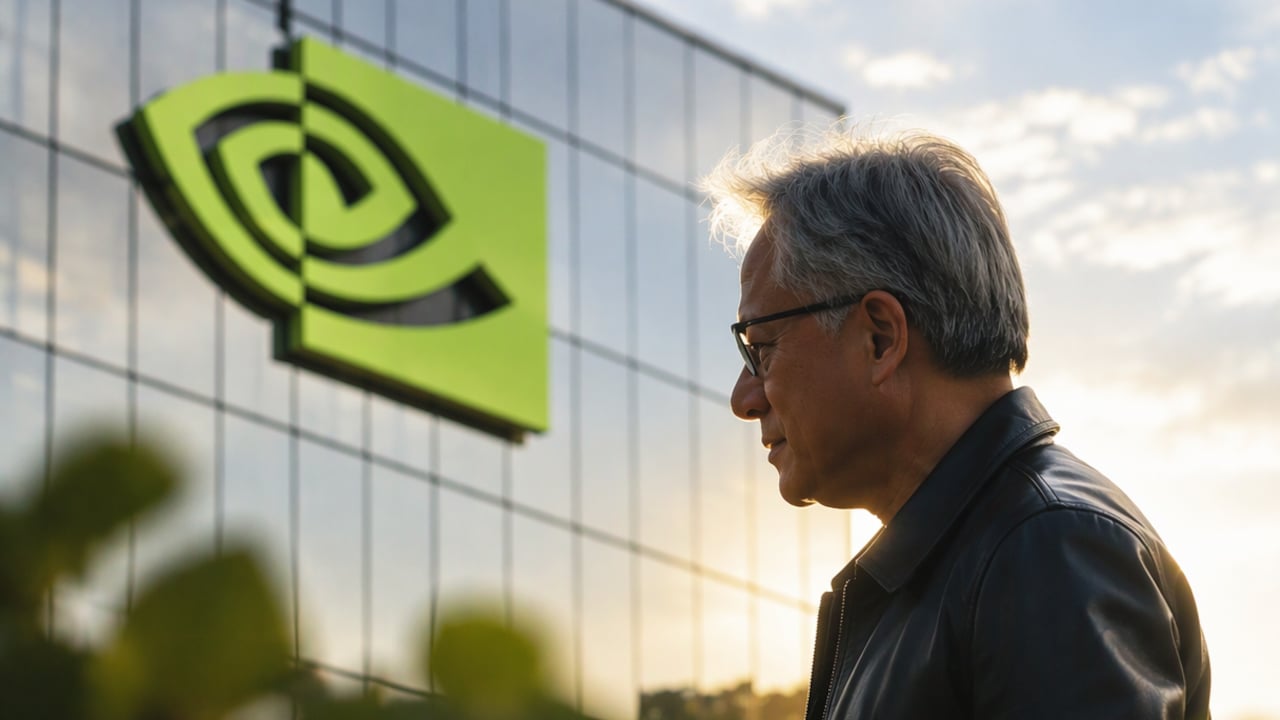
Nvidia has spent more than three decades building its business around one man. Now, the company may have to answer a question it has largely avoided: who could replace Jensen Huang?
The question has become urgent after reports that Nvidia's board is preparing to remove its co-founder and chief executive following revelations about two extramarital affairs, including one involving a woman suspected by US intelligence agencies of being a Chinese spy.
The Wall Street Journal reported on Wednesday that the board was preparing to meet to decide Huang's future. This came hours after The New York Times reported that Huang allegedly had another relationship with a senior Nvidia executive who reported directly to him.
Also Read | Layoffs Are Rising In Tech, But These Skills Are Helping People Unlock Better Pay
The latest allegations have dramatically escalated the controversy. Nvidia's board had initially expressed confidence in Huang even as it launched an independent investigation into whether he had been targeted by a foreign intelligence operation.
Huang, meanwhile, acknowledged being unfaithful to his wife and apologised to his family and employees. However, the board is now looking at other options.
Nvidia CEO Succession: Who Could Replace Jensen Huang?
According to a Business Insider report, here are the possible candidates:-
Ian Buck: The Engineering Veteran

Ian Buck could emerge as one of the strongest candidates for Nvidia's next CEO. Buck has spent 22 years at Nvidia and played an important role in developing CUDA, the software platform that helped transform the company's graphics processors into powerful computing chips used in artificial intelligence. He currently heads Nvidia's data centre and computing businesses. This is particularly significant because data centres account for the overwhelming majority of Nvidia's revenue. A former Nvidia employee told Business Insider that Buck is already running the business that generates virtually all of the company's revenues. His technical background and familiarity with Nvidia's culture could make him a natural candidate for the top job.
Colette Kress: The Safe Interim Choice

Colette Kress is another name likely to feature prominently in discussions about succession. Nvidia's chief financial officer has been with the company for 13 years. Before joining Nvidia, she held finance positions at Cisco and Microsoft. Kress is one of Nvidia's most visible executives apart from Huang. According to DA Davidson analyst Gil Luria, she could take over as interim CEO if Huang were to step aside. However, there is a limitation. Huang's leadership has been closely associated with his engineering expertise and ability to anticipate technological shifts. Kress has a finance background rather than an engineering one.
Madison Huang: Could Jensen's Daughter Take Over?

Madison Huang, Jensen Huang's daughter, is also being discussed as a possible future leader. She works at Nvidia as a senior director of product marketing for physical AI, a field that involves applying artificial intelligence to machines and physical environments. A former employee told Business Insider that Madison has been asserting greater authority across Nvidia's businesses. The employee suggested that this could indicate preparations for a larger leadership role. However, Nvidia has not publicly indicated that Madison is being groomed to succeed her father. A family succession would also raise questions about corporate governance and whether leadership at one of the world's most important technology companies could become concentrated within the Huang family. Her brother Spencer also works at Nvidia.
Could Nvidia Hire an Outsider?
Nvidia could also look beyond its existing leadership. The report identifies Thomas Kurian, CEO of Google Cloud, and Matt Garman, CEO of Amazon Web Services, as possible external candidates.
Both oversee major cloud computing businesses that invest heavily in AI infrastructure and work closely with Nvidia. Their experience managing large technology businesses could be valuable. However, bringing an outsider into Nvidia would mean finding someone capable of understanding its engineering culture, customer relationships and unusually central role in the AI industry.
An external appointment would also be a significant departure from Nvidia's leadership tradition.
Why Replacing Jensen Huang Could Be Nvidia's Biggest Challenge
The biggest problem for Nvidia may not be finding a CEO. It may be finding someone who can replace Huang's influence. Huang co-founded Nvidia in 1993 and helped transform it from a graphics chipmaker into the dominant supplier of processors used to train and run AI models.
His leadership has been unusually centralised. Nvidia has not publicly identified a clear number two, and Huang has previously said he has as many as 60 direct reports. That structure has worked remarkably well during Nvidia's extraordinary growth. But it also means that few executives have been publicly positioned as his successor.
Brad Gastwirth, global head of research at Circular Technology, told Business Insider that Huang's technical expertise, strategic vision and industry relationships would be difficult to replicate. He also noted that Huang owns around 3.6 per cent of Nvidia, giving him considerable influence over any succession decision even though he does not control the company through voting power.
Therefore, Nvidia's board will have to weigh more than allegations surrounding Huang's personal conduct. It will also have to consider the potential consequences of losing the person who has led its rise. The company can continue operating without Huang. But maintaining the same pace of innovation, execution and customer confidence could prove considerably harder.
KioskNews shows a cleaned-up reading view extracted from the publisher’s page — the original always lives on their site, not ours.