The US has been imposing sanctions on Iran since 1979
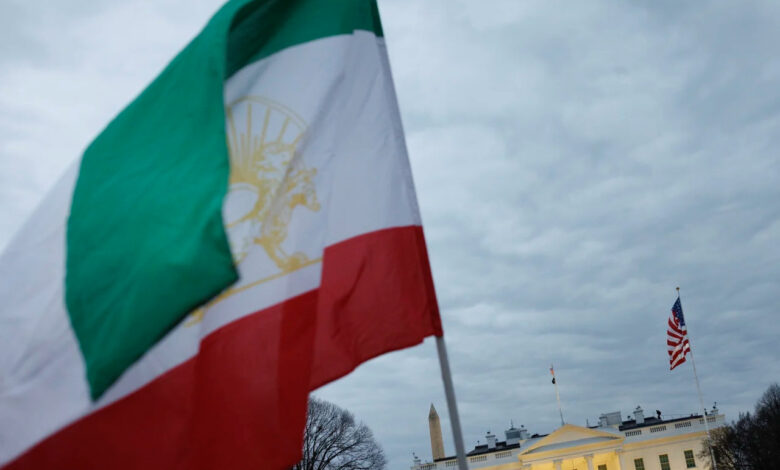
US Treasury Secretary Scott Bessent has warned in an op-ed that an “economic D-Day” is coming for Iran, stopping short of giving further details.
“Now we are entering the endgame. At dawn begins an economic D-Day — the single greatest financial offensive ever marshalled against an adversary,” he wrote in the Financial Times ahead of a scheduled news conference today.
The US has been imposing sanctions on Iran since 1979, after the US embassy in Tehran was seized following the Iranian Revolution, according to the US State Department.
A Congressional Research Service (CRS) report on US sanctions on Iran says they were used to “deter, constrain, and encourage change in the adversarial behavior of the Iranian regime.”
“US sanctions on Iran are arguably the most extensive and comprehensive set of sanctions that the United States maintains on any country,” the report says.
The financial penalties are wide-ranging, banning nearly all US trade with Iran, blocking Iranian government assets in the country and prohibiting foreign assistance and arms sales, the report outlines.
In 2013, the Department of the Treasury’s Office of Foreign Assets Control said that the US could sell food, medicine, and medical devices to Iran.
According to the CRS report, the US is also allowed to provide telecommunications equipment to Iranians to help them circumvent the Iranian regime’s attempts at cutting off internet access.
KioskNews shows a cleaned-up reading view extracted from the publisher’s page — the original always lives on their site, not ours.