South Korea’s president urged to play Call of Duty as war wake-up call
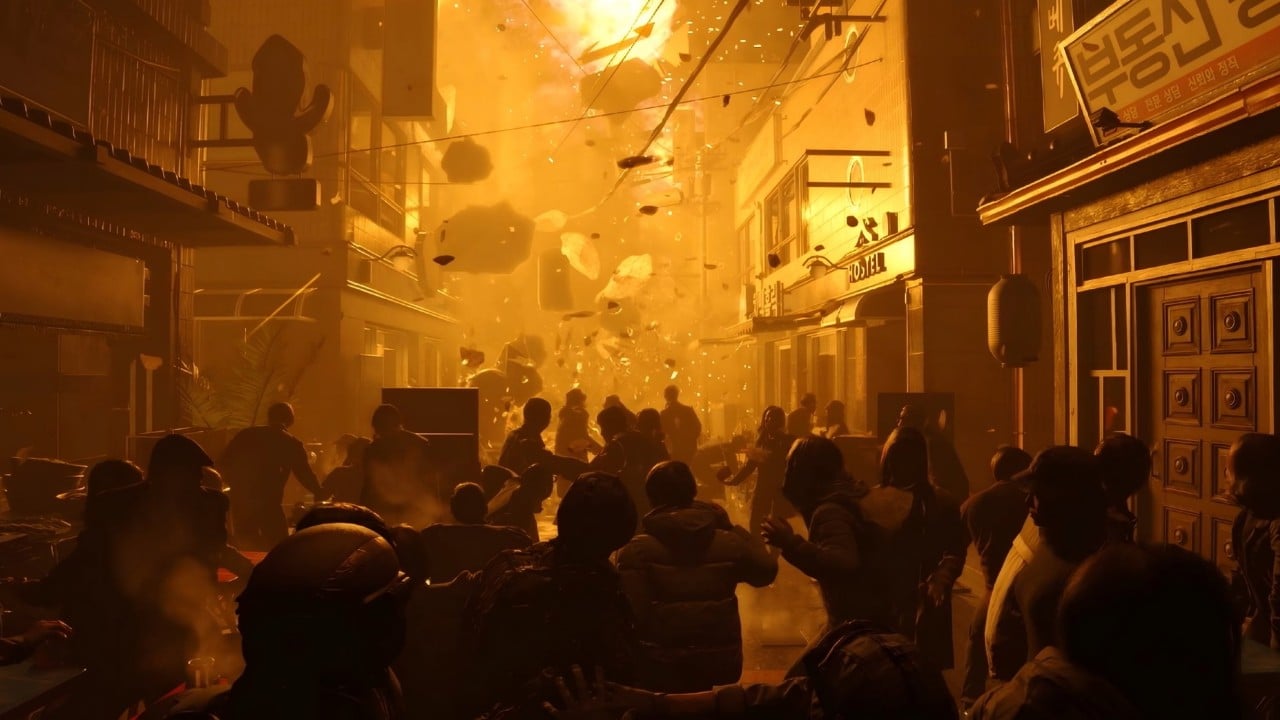
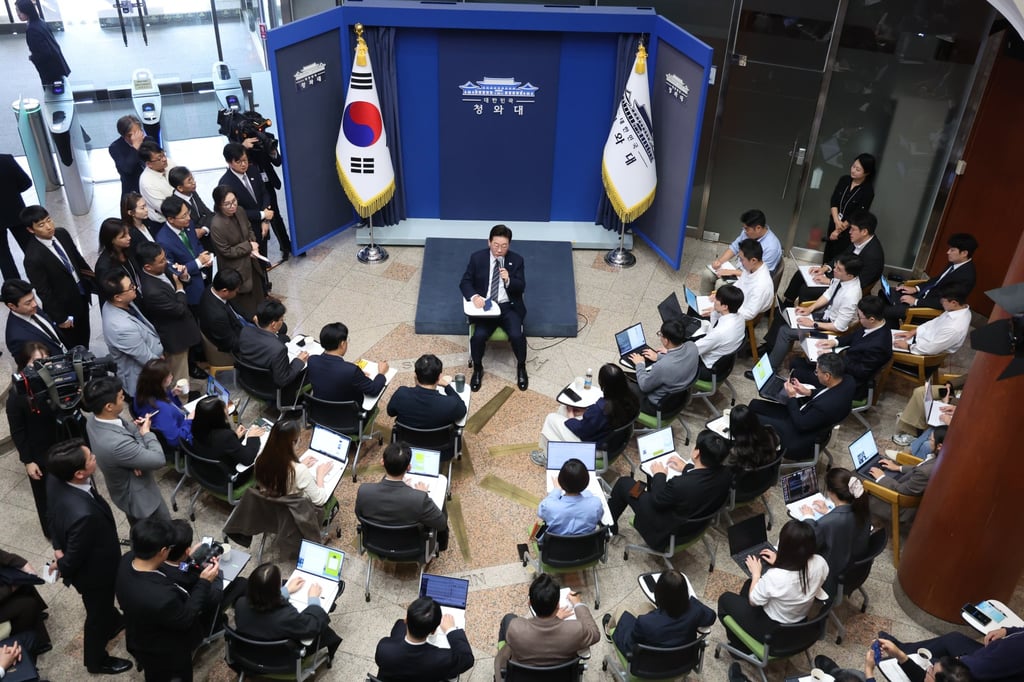
South Korea’s President Lee Jae Myung has been urged by critics to play the latest instalment in the blockbuster Call of Duty video game franchise to better appreciate the need for defences against an invasion by the North.
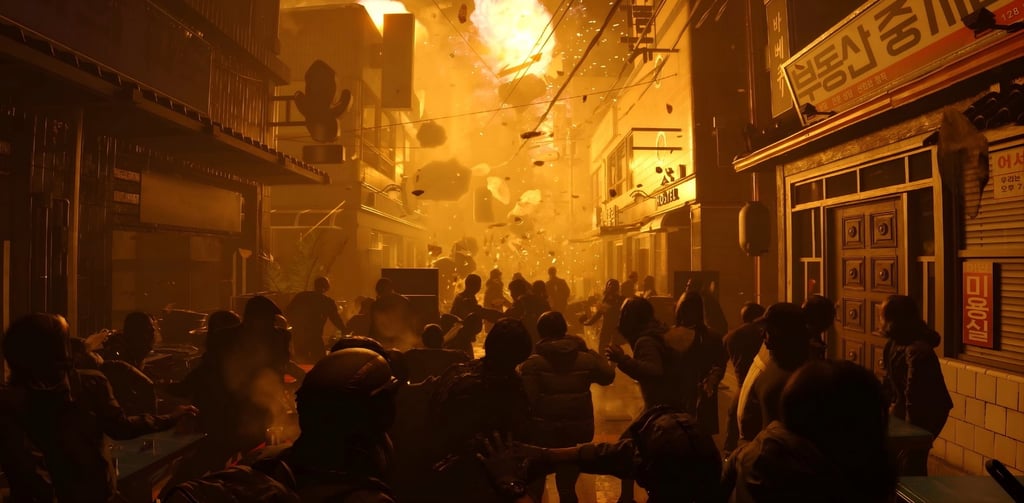
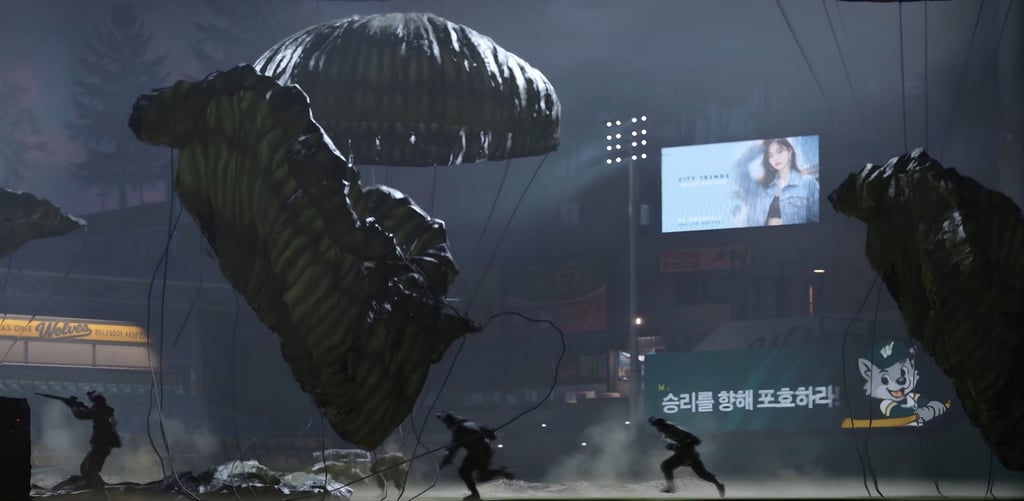
The call from opposition lawmakers follows the release on Friday of Call of Duty: Modern Warfare 4, a first-person shooter depicting a full-scale surprise attack by North Korea on the South. Players fight North Korean troops as Park Hyun-jun, a private in the South Korean Marine Corps.
The game depicts urban combat in central Seoul and includes a mission to raid a North Korean leadership compound resembling the Kumsusan Palace of the Sun, the former residence turned mausoleum of the North’s founding supreme leader Kim Il-sung.
South Koreans’ reactions to the game have been mixed, to say the least. Kim Ji-sun, co-chair of the progressive civic group Candlelight Action, questioned in June as news of the game’s content began to spread whether it was “normal to create and commercialise a game in which people kill one another when we remain a divided country under an armistice?”.
Kim Sung-jae, executive director of the Kim Dae-jung Peace Centre in Seoul, added in comments to the Hankyoreh newspaper earlier this month that the game’s release warranted a government response due to its potential geopolitical implications.
“At the moment, the South Korean government is working to restore peaceful relations with North Korea,” he said. “If this game’s release leads to growing hatred and contempt towards the North, we could see unintended negative consequences for inter-Korean relations.”
Reviews of the game on distribution platform Steam have been mostly positive, with nearly 90 per cent of Korean players providing positive feedback within hours of its release on Friday, according to the Korea Joong Ang Daily newspaper.
‘Historical reality’
Opposition politicians, however, were quick to seize on the game to criticise President Lee’s conciliatory approach towards Pyongyang.
On the day of the game’s release, independent conservative lawmaker Han Dong-hoon, a former member of the People Power Party, urged Lee to play the game himself to appreciate the potential consequences of inadequate defence preparedness, The Korea Herald reported.
“Of course, it is a fictional story,” Han wrote on Facebook. “But North Korea’s invasion on June 25, 1950, was a historical reality, and the North Korean military threat remains very real today.”
The former justice minister questioned whether Seoul was prepared for an invasion on the scale of the one shown in the game, criticising Lee for calling North Korea’s nuclear arsenal a “last-resort defensive weapon” on October 19.
Han said he was hopeful that the events shown in the game scenario would not become a reality but added: “National security is not about hope, but preparation.”
Current People Power Party member Ahn Cheol-soo similarly used the game to criticise Lee’s policies.
Posting a promotional video of the game on social media last Wednesday, he wrote: “If you don’t understand the dangers of North Korean provocations, at least try playing Call of Duty. Even just watching gameplay footage would teach you how much catastrophic damage the president’s naive judgment could inflict on South Korea.”
A minor opposition party on Sunday compared the game’s virtual warfare to a real-world incident along the inter-Korean border. Pointing to the two suspected landmine explosions that injured three South Korean soldiers on September 21, Reform Party deputy spokesman Choi Je-il said peace would only come from a clear assessment of military threats rather than a reliance on goodwill.
“Politics must confront the reality of those threats more accurately than a video game does,” he said.
However, a game critic quoted by the Korea Joong Ang Daily cautioned against politicising fiction. “Viewing creative works through a political lens distracts from the work itself,” said the critic, who requested anonymity. “We should also be especially careful not to turn a foreign-made game into a political debate.”
“It’s just a game,” added a player surnamed Jang. “And doesn’t it accurately depict the reality of Korea being divided?”
The two Koreas remain technically at war as the conflict between them in the 1950s ended in an armistice on July 27, 1953, rather than a peace treaty.
Activision, the publisher behind the Call of Duty franchise, has yet to comment on the controversy.
On Friday, Culture Minister Choi Hwi-young told the National Assembly in Seoul that Lee’s government “does not practice prior censorship on games”, when asked about the latest instalment, as reported by gaming media platform and community portal Inven.
KioskNews shows a cleaned-up reading view extracted from the publisher’s page — the original always lives on their site, not ours.