Are you a tourist or a traveler? A perspective from our CEO
A few weeks ago I took one of the more epic trips of my life, in the southern Mexican state of Oaxaca on the Camino Copalita trail. I had first heard of it from a Mexican friend who has done adventure travel around the world. “Camino Copalita is the best one, you have to do it!” she told my wife and I. We ourselves are not big adventure travelers, but we love nature and walking. This seemed to have plenty of both, so we went for it.
This was no ordinary vacation. To begin with, the website has a decidedly “non-touristy” vibe and very matter-of-factly outlines the basics of the trip. The schedule for days one through four described lots of walking starting at high altitude. Then on day five, we would be rafting down a river until reaching the ocean. Sounded pretty cool, and more importantly, sounded mostly downhill. Before we could sign up, the pre-trip process required a phone interview to make sure we knew what we were getting into and to ensure our physical health was good enough. I was able to quickly convince my wife to join (we had done the four-day Inca Trail together years ago and loved it), as well as three of my best friends, telling them this would be a trip of a lifetime. We apparently passed the phone interview with flying colors, were given the green light, and signed up for the walk.
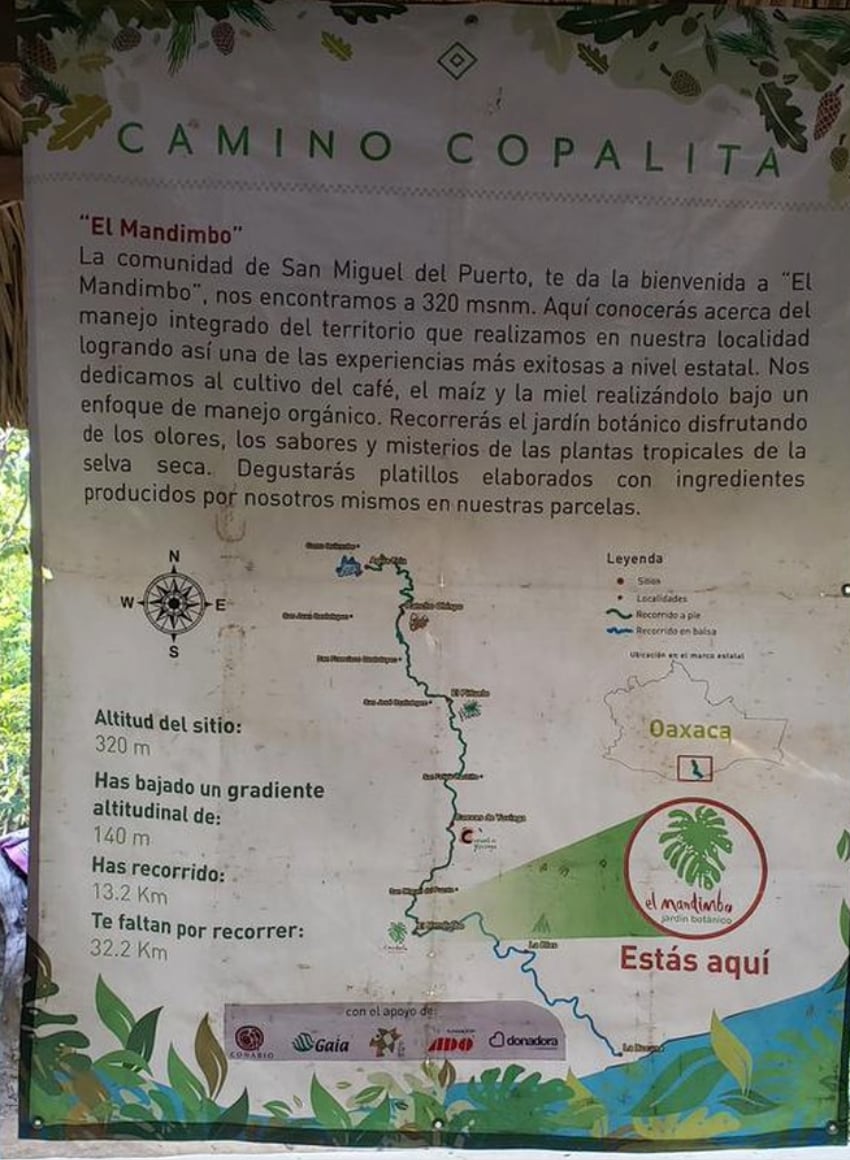
I wasn’t sure it would actually be the trip of a lifetime. But I knew Oaxaca well, and in hearing how our friend had described the trip, I had a sense that it would be something very special. My wife and I spent a few months lightly training for the trip, as we would be starting at 11,600 feet of altitude and covering 100 kilometers over five days. That is not extreme, but it did require some preparation to make sure that pain or discomfort didn’t get in the way of enjoying things. The other thing (at least I) had to prepare for was the warning that there would be zero internet for the entire five days. Whoa!
How does one “train” for no internet access in today’s modern world? I have always been a bit more connected than I should be. In all honesty, buying an online news platform isn’t exactly good for your daily amount of screen time. In fact, I have gotten more and more connected over the past few years — nearly constantly checking our website, social media channels, YouTube channel and dozens of other news sites and channels. I tried to think of when I had last been totally “disconnected” for a full day. I couldn’t think of even one going back for more than a decade. How in the hell was I going to survive for five-plus days!?
As I told the MND leadership team that we would be out of contact for the week, I began to feel the anxiety creeping up inside of me. I felt like I was abandoning the business — abandoning my team. I had zero doubt that they would do absolutely fine (and likely enjoy my absence!), but it still wasn’t easy to get my head around being out of contact for so long. I began to have nightmares about what would happen if our site went down. I began to wonder what breaking news headlines I would miss, what the stock market would do, and how the Mexican peso-US dollar exchange rate might change in my absence.
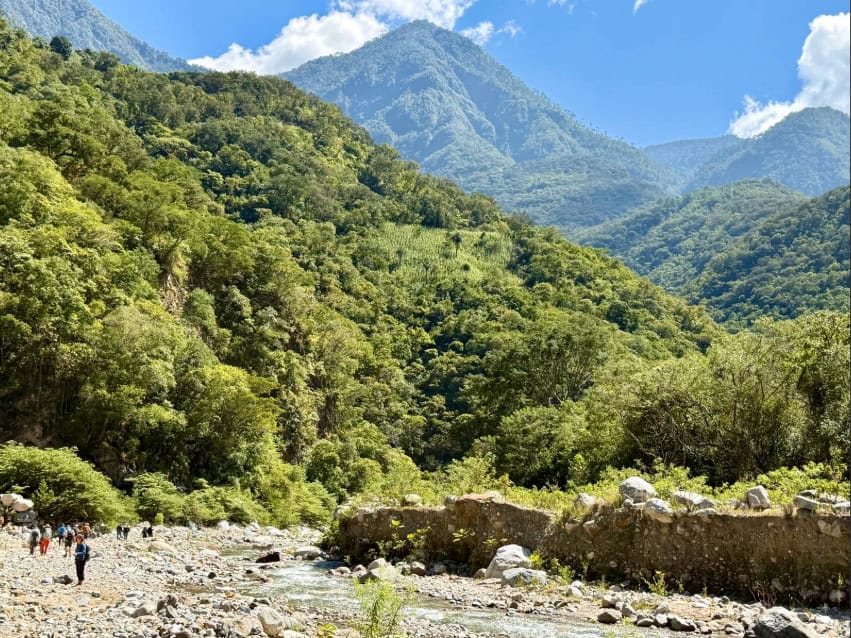
But the time soon came for us to head to Oaxaca. That first morning, over breakfast at a small restaurant in Oaxaca City, our newly formed group of 14 hikers (both Mexican and foreign, young and old) was told: “Remember that on this trip, you will be travelers, not tourists.”
Consider for a moment the profound differences and implications that come with each of those words. I believe that modern society, myself very much included, has forgotten about the distinction. In fact, at the start of our trip, the difference didn’t mean much to me. But by the end of the journey, it had become a profoundly important concept that I find myself still reflecting on.

Think about modern-day tourism and travel. We often come with very high expectations derived from social media posts of places that must be seen, pictures that must be taken and things we must do. In some ways, I miss the days of travel guidebooks, when we would read about something and then have to wait and see what it would really be like in person. Social media now shows us everything in advance, and in perfect HD photos and 4K videos. Airbnb has built a massive business of cultivated, curated experiences that can be purchased in each city so that you don’t miss any of the important things to see or do. Our expectations have increased for everything. We expect fast, deferential service, even in France. We want the food and drinks that we have become accustomed to. We expect ice in our Coca Cola in Germany, Starbucks to taste the same in Japan, English to be spoken by our tour guide in Bali, Uber Eats to be available in Mozambique, and almond milk to be on the menu in Bolivia. And of course, we expect to be asked if we have a nut allergy before each meal.
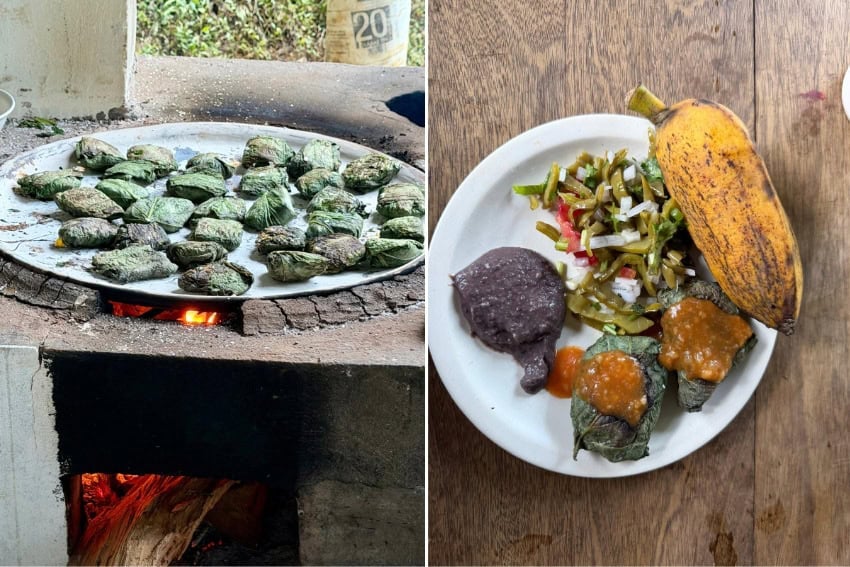
So imagine, for a moment, a five-day trip in which NONE of those expectations apply:
– Wifi passcode? Um yeah, maybe in a week.
– Electricity? Nope.
– Running water? Nope, unless by “running,” you mean “dumped out of a bowl of river water.”
– Showers? But you just took one a few days ago … That’s what the river is for.
– Drinking water? Over there is the river and/or spring.
– Menu? Food choices? You eat what we eat.
– Cups to drink out of? Maybe on day three. In the meantime, here is a bowl.
– Lunch on today’s hike? Here is a banana if you want to take one.
– Trail mile markers? Elevation updates? … Why?
– Flushing toilets? Um, no.
– What time is it? Who cares?
– English? Maybe Spanish … maybe just the local Indigenous Zapotec language
What quickly became clear on this trip was that the real adventure was that we were not going to be treated like tourists — not for one minute! For those five days, we were mere travelers through the mountains of five rural Oaxacan villages. Villages that were kind enough to allow us to sleep on their land, walk on their trails, drink from their rivers, burn their wood for heat and cooking, and eat the food grown locally that they had prepared for us. They didn’t view us as tourists, and it quickly became clear that acting like one would have been absurd. We walked through 11 ecosystems, through pine forest and mountainous coffee and corn fields. We crossed rivers and passed massive ceiba, mango and palm trees.
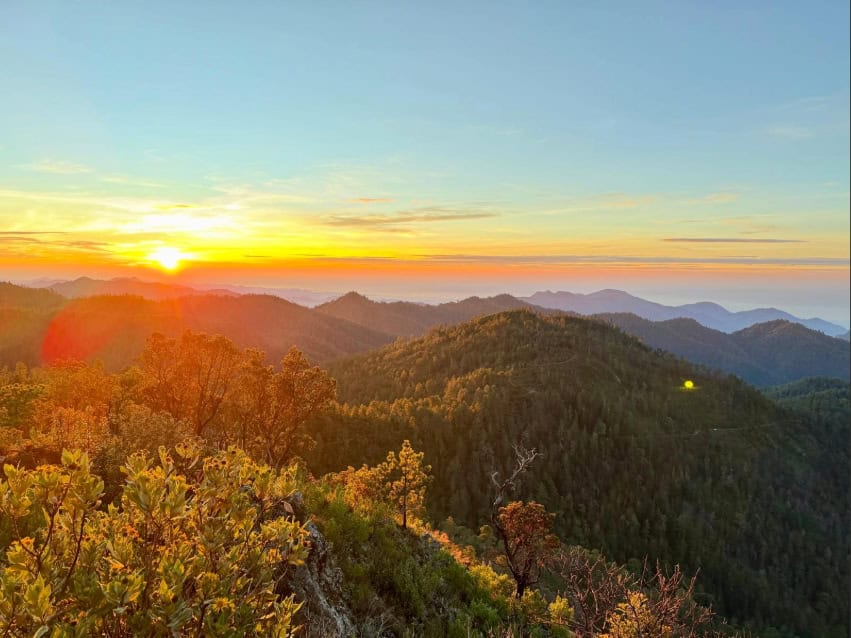
For five days, the 14 of us roughed it — and roughed it hard! The first two nights were freezing, the last two nights were hot. There were times when I was really damn hungry. All of our bodies were hurting and aching to some extent. The first two evenings had no showers, two had “bucket showers” (literally a bucket with a bowl to pour water over your head), and for one, the “shower” was a river. We had to use only eco-banos for five days — enough said.
Despite the challenges, no one complained. Not once. About anything. On any “typical tourist” metric, we were living life far below what we were accustomed to, what we longed for, and even likely what most of us expected on this trip. And yet, here we were — totally out of our comfort zones, but in a state of complete bliss. I struggle to find the right word in a world of overused superlatives, but it was a truly magical experience.
I signed up for the trip expecting a great walk in beautiful mountains with my wife and friends. I also signed up to force upon myself a bit of healthy discomfort. We, of course, got that: The mountains were far more beautiful than I expected, the walk was awesome, and in countless ways I was far out of my comfort zone. What I didn’t expect was how calming, renewing, regenerating and truly impactful the experience was. The total disconnection from the chaos and overstimulation of our modern-day society turned out to be much easier (and more healing) than I expected. The fresh, local, organic food was simple yet full of flavor. The sustainable growing practices shared with us were educational. The fact that we created zero garbage over the course of a week was humbling. The warmth and welcoming attitude of each community was heartwarming. And the connection to the natural beauty around us and to my fellow walkers was incredibly powerful.
The trip ended on day five with a rafting trip down the Copalita River. As our boats stopped about a kilometer from the ocean, each of us stepped out and began walking for the final time of the trip. Each of us walked at our own pace, quietly, towards the beach. As we made the final river crossing right at the beach, our group spontaneously formed a circle, held hands, and shouted together “VIVA CAMINO COPALITA!” We began to hug each other, and many of us cried. I was one of them. Why? I still can’t put it into words. It was an exceptionally moving moment. We then walked for one last hour on the beach, our tired and bare feet welcoming the soft sand and warm ocean water. We walked towards the setting sun, to the end of the beach, where we would re-engage with the modern world again.
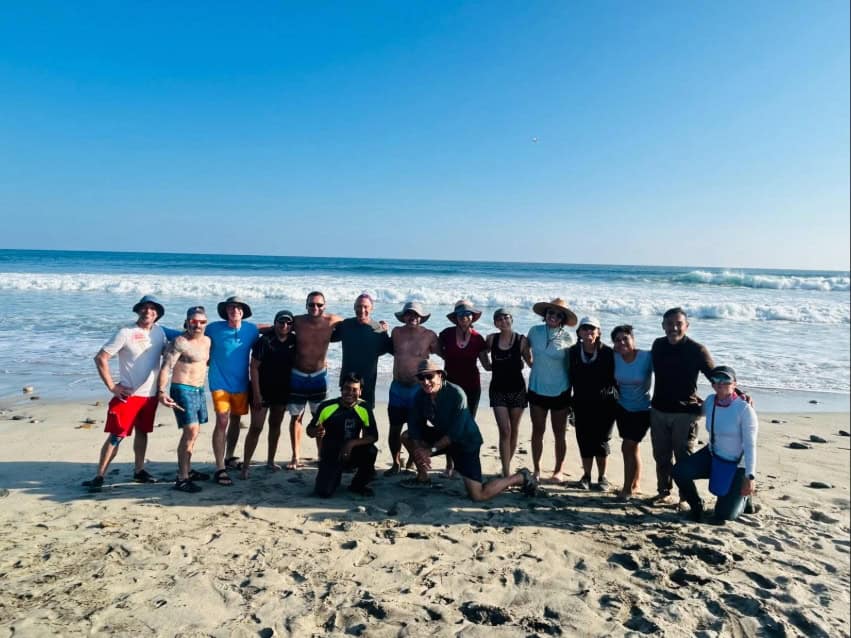
This trip is not for everyone. In fact, it’s not for most people. It’s not a group therapy trip. It’s not a motivational trip. It’s not meant to be a high-intensity workout trip. It’s not just another destination on a travel bucket list. It’s not a trip that is done for the epic selfies. It’s not a trip done for the bragging rights, as most certainly no one you talk to about it will have done it themselves, or even heard of it, for that matter.
The Camino Copalita isn’t something that you do, but rather a journey that can help you — if you are open to it — check in on yourself and on the life that you are living. It is an experience that, if you allow it to, can have a profound impact on you. As one of our local guides said to me before dinner on the second night, while looking out over the mountains after an exhausting day of hiking: “We have a first-class life here. We have clean air, we have clean water, we have fresh food. What more could we possibly need?”
An interesting perspective indeed as we face a world of ever-increasing consumerism, an epidemic of mental and physical health issues, and general anxiety about what the future of technology might bring.
If the idea of being a traveler appeals to you, and you want to learn more about the Camino Copalita, you can do so here: https://www.caminocopalita.com/.
Travis Bembenek is the CEO of Mexico News Daily and has been living, working or playing in Mexico for nearly 30 years.
KioskNews shows a cleaned-up reading view extracted from the publisher’s page — the original always lives on their site, not ours.