Haze pollution costs Malaysia $1.9B, potentially claims 1,700 lives: report
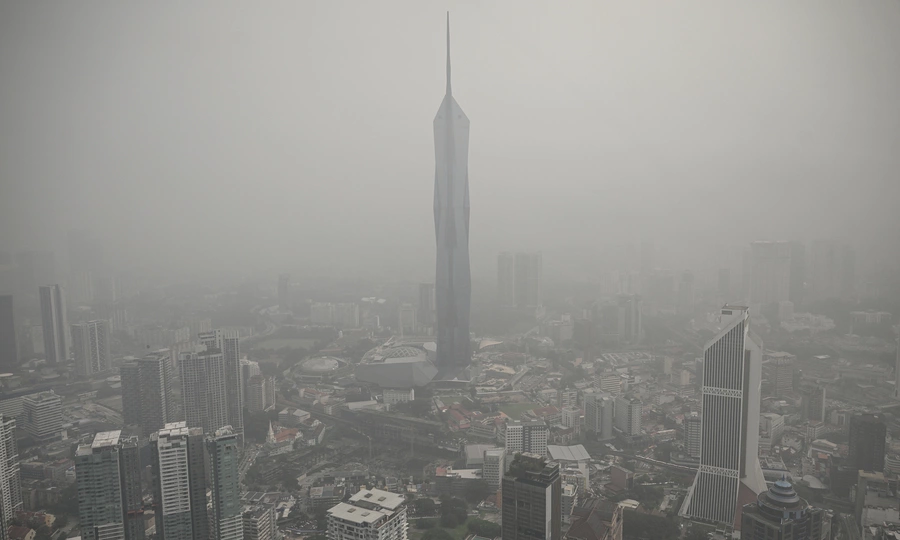
Malaysia’s latest haze crisis is estimated to have caused RM8 billion (US$1.97 billion) in welfare losses and may have contributed to approximately 1,700 premature deaths, according to a newly released report.
Commissioned by the Federation of Malaysian Manufacturers (FMM) and conducted by Piyu Ke, chief scientist at Carbon Spur Sdn Bhd, a sustainability and carbon monitoring analytics firm, the report, titled "The 2026 Fire Season and Transboundary Haze in Malaysia," analyzed the crisis from July 1 to Oct. 22.
It combined satellite observations, air-quality monitoring, atmospheric modeling, and industry surveys to assess the cumulative consequences of prolonged pollution exposure.
The human and health toll
The study estimated that the haze contributed to roughly 1,700 premature deaths during the period, with about 1,600 attributed directly to smoke originating from fires outside Malaysia.
Researchers calculated the health-related economic burden of this mortality to be between RM3 billion and RM15 billion. As reported by the Malay Mail, this figure reflects society’s "willingness to pay" to reduce the risk of premature death, rather than direct economic output losses, and should not be combined with other economic costs.
Kuala Lumpur blanketed in toxic haze as fires rage on in neighbouring Borneo in a video on Oct. 15, 2026. Video by AFP
The authors cautioned that these mortality figures are statistical estimates across the population rather than individually identified deaths. They also acknowledged certain study limitations, noting a primary reliance on evidence from forest fires rather than peat fires. If the fire smoke were assumed to be no more harmful than standard fine particulate matter, the researchers noted, the estimated death toll would fall to approximately 600.
Manufacturing and operational disruptions
Beyond public health, the prolonged haze severely disrupted the manufacturing sector and daily life.
School closures during the smog accounted for an estimated 8.4 million to 13.4 million lost student-days. This had a cascading effect on the workforce. In a survey of 86 FMM member sites, more than two-thirds reported operational disruptions. Of the 59 sites detailing specific impacts, 81% experienced higher sick leave, while 63% struggled with staff availability because employees had to stay home with children due to school closures.
Consequently, 37% of the disrupted sites reported reduced output, 27% temporarily suspended at least one operation, and 14% faced delays in production schedules and deliveries. The report cautioned that these findings primarily reflect heavily industrialized Selangor and Penang, with minimal data collected from Sarawak.
A call for regional action
FMM President Jacob Lee Chor Kok said the crisis proves the haze must be treated not merely as an environmental concern, but as a direct threat to labor productivity, economic sustainability, and regional competitiveness.
"Manufacturing industries are increasingly interconnected through regional and global supply chains. Environmental disruptions in one country can affect economic activities and business operations across national boundaries," Lee said, according to AsiaOne.
"Preventing haze is therefore not only an environmental responsibility, but also an investment in economic resilience, sustainable industrial development, and the wellbeing of future generations."
 |
|
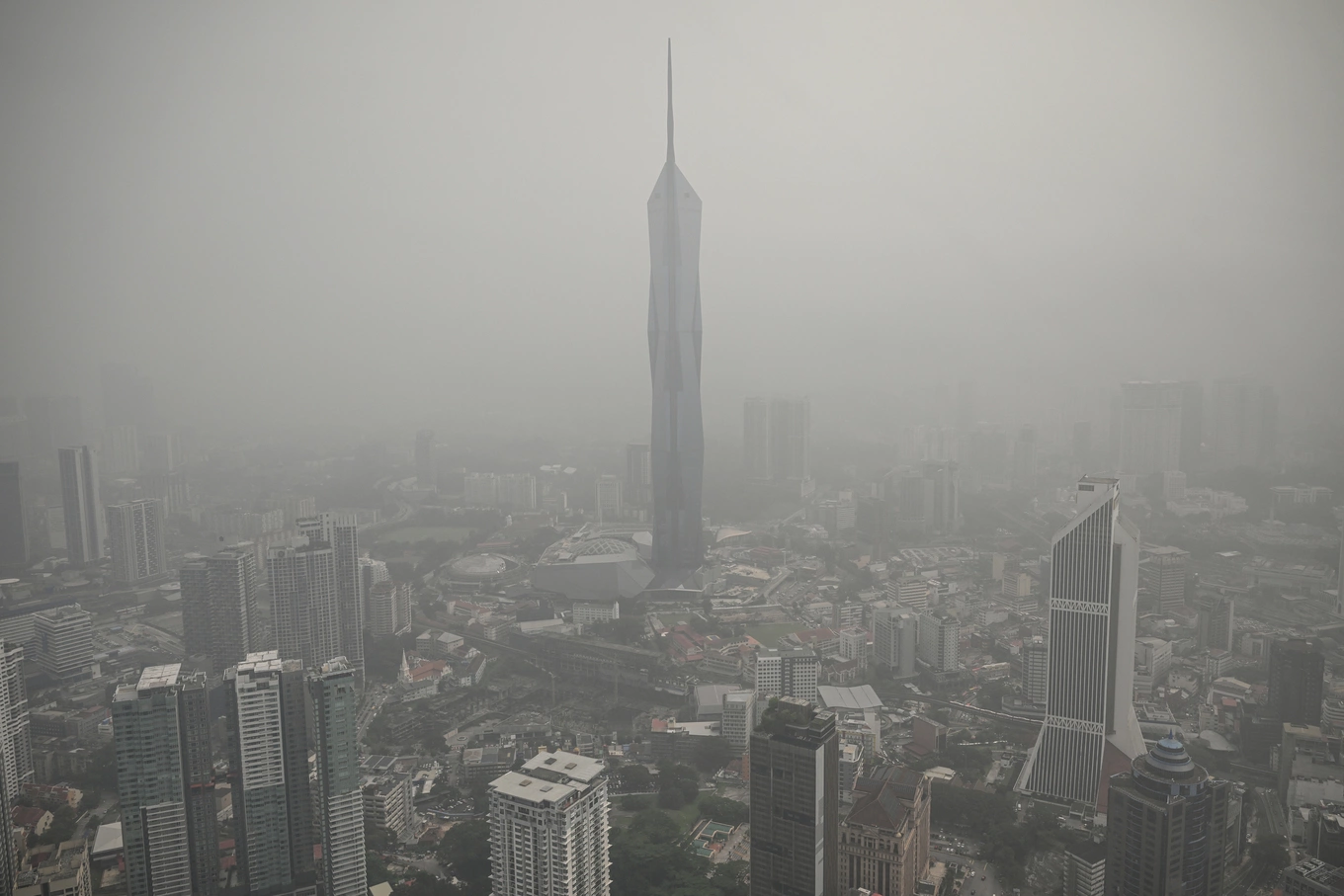
Buildings are shrouded in haze caused by fires in Indonesia, in Kuala Lumpur on Oct. 16, 2026. Photo by AFP |
Between August and October, Peninsular Malaysia and Malaysian Borneo endured months of intermittent, choking smog driven by persistent agricultural and peatland fires in Indonesia’s Sumatra and Kalimantan regions. While skies have finally cleared over the past week, with all monitoring stations recording "good" or "moderate" air quality as of 5 p.m. Thursday, the true economic and human toll of the crisis is only now emerging.
Malaysia aims to tackle the issue at the regional level. According to state news agency Bernama, the government announced on Oct. 22 that it will introduce new measures to combat recurring transboundary smog next year, when it assumes the rotating chairmanship of the ASEAN Sub-Regional Ministerial Steering Committee on Transboundary Haze Pollution.
KioskNews shows a cleaned-up reading view extracted from the publisher’s page — the original always lives on their site, not ours.