Paddy ready, procurement a week away: Farmers fear distress sale below MSP
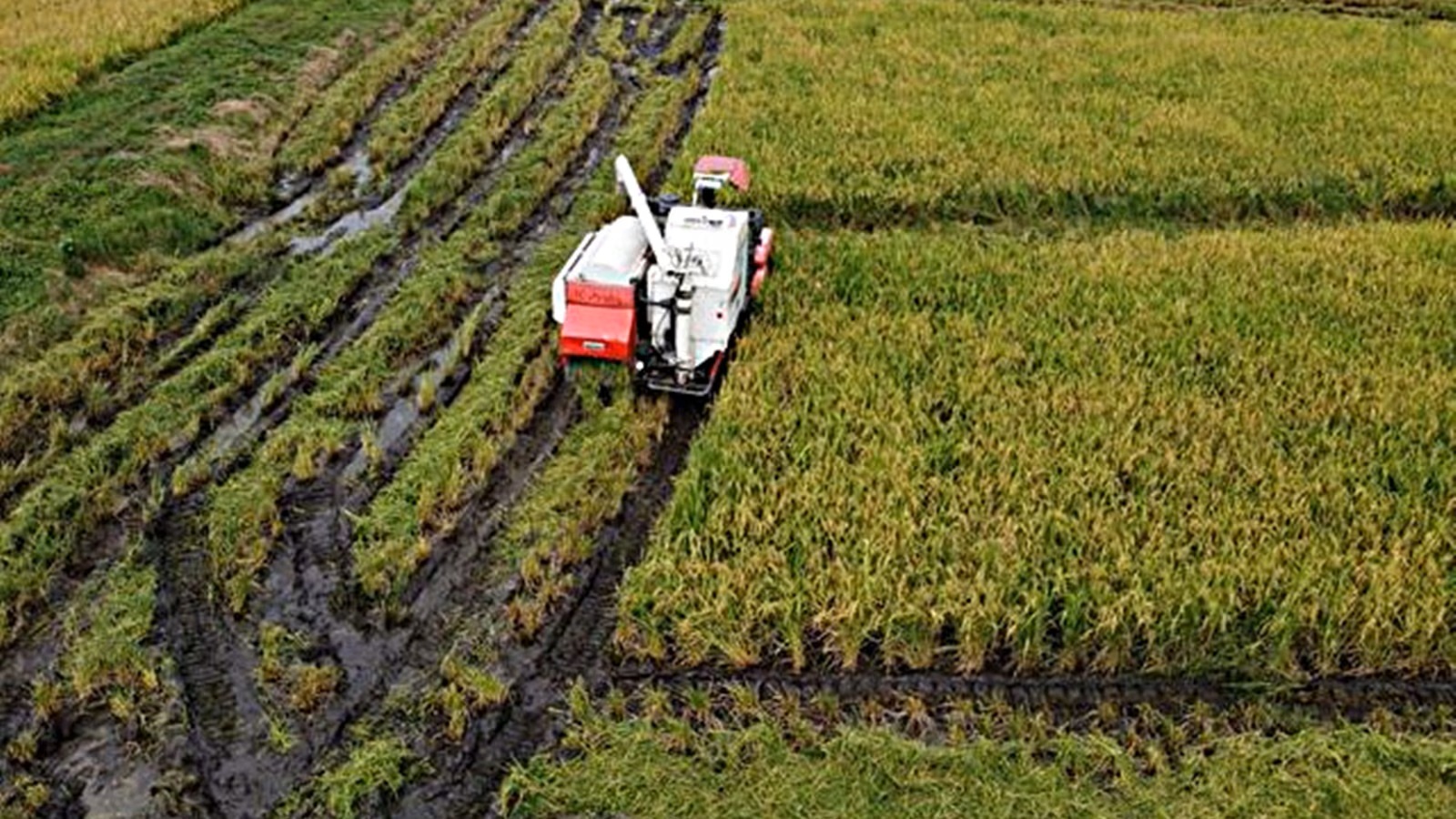
Punjab’s decision to allow paddy transplantation from June 1 for the second consecutive year has created an unusual situation this season: several short duration early-maturing varieties are already ready for harvest, but the official procurement season is scheduled to begin only on October 1.
Farmers growing short-duration varieties such as PR-126 and hybrids including 7501, 7301 and 134 say their crops have matured according to their normal biological cycle because this year’s weather has not caused the kind of prolonged interruption seen last year due to heavy rains and floods. They are now seeking an earlier procurement window, saying that otherwise they could be forced to sell to private buyers below the Minimum Support Price (MSP). Some farmers said that they have already sold a portion of their crop for Rs 2,000 to 2,100 per quintal to private players in the absence of government procurement.
The MSP for paddy for the 2026-27 marketing season is Rs 2,461 per quintal.
The issue has emerged despite the government’s decision to advance transplantation to June 1. Last year, too, transplantation was advanced, and the government also advanced official paddy procurement to September 16, around a fortnight ahead of the traditional October 1 start.
This year, however, while the June 1 transplantation window has continued, procurement has not been brought forward in the same manner.
Why last year’s early procurement saw little crop
The difference between the two seasons, farmers and agriculture experts point out, is the weather. Last year, Punjab witnessed exceptionally heavy rainfall and flooding, particularly during August and September. Large areas remained waterlogged, while repeated spells of rain disrupted harvesting and delayed crop maturity in several locations. As a result, even though procurement had begun on September 16, arrivals remained thin.
By September 22 last year, only 10,392 metric tonnes of paddy had been procured in Punjab. As the heavy rain and floods had delayed the arrival of even some short-duration varieties then. This year, the situation is markedly different. Punjab has experienced deficient rainfall by 37% till date, and there has been no comparable prolonged spell of rain disrupting the crop’s maturation. Consequently, farmers who transplanted early are now seeing their short-duration varieties mature broadly within their expected time frame. PR-126 is particularly relevant to the current situation. The variety takes around 93 days after transplanting to mature. In Punjab around 43% are of paddy was under this variety only. Thus, a farmer who transplanted PR-126 around the middle of June could reasonably expect the crop to mature by mid-September. The same principle applies to several early hybrids that farmers have increasingly adopted because of their shorter duration and high yield potential.
Story continues below this ad
Farmers say this is precisely why the government needs to look at procurement according to actual crop maturity, rather than following a fixed calendar.
Farmer Harminder Singh of Jaitewali village in Jalandhar told The Indian Express that he had planted PR-126 on 15 acres but had taken only three acres’ crop to the mandi so far.
He said private buyers were offering rates Rs 200 to 300 below the MSP because government procurement had not begun. At the same time, Singh said waiting another week could also create a problem because the crop would continue losing moisture. While reducing moisture can help the grain meet procurement specifications, excessive drying can mean weight loss and, consequently, a financial loss for the farmer, he stressed.
Another farmer, Gurrattan Singh from Dhilwan in Kapurthala, said that his crop is all ready to harvest but he is not harvesting it because of the fear of a distress sale in the mandis.
Story continues below this ad
He said that he had taken a small amount of crop to the mandis, but the rate was very low compared with the MSP.
The farmers’ concern is particularly acute for those who followed the government’s early transplantation schedule. They argue that if the state permits them to transplant from June 1 but keeps procurement tied to October 1, farmers growing short-duration varieties may be left with a gap of several days—or even weeks—between crop maturity and assured procurement. The prescribed moisture limit for procurement is 17 per cent. Last year, farmers also faced the opposite problem, with excessive moisture from repeated rainfall delaying procurement and forcing some to wait for their crop to dry.
Farmer Gurbakhshish Singh said that if government cannot advance the procurement date right now, it should ensure that there should be no loot of farmers in the hands of Private players if the farmers are taking their matured crop to mandi.
Chairman of the labour Union at the Khanna Mandi Darshan Lal said that PR126 and hybrid varieties have already started coming but in the absence of government procurement, farmers have dumped the crop in the mandi and in some cases there, aartiyas have stocked at their own places to sell when the procurement starts, otherwise farmers will get very low price.
Story continues below this ad
Congress MLA from Kapurthala, Rana Gurjit Singh, said that several farmers from his constituency are being forced to sell their crop at a distress sale in mandis due to the early maturity of the short-duration varieties of paddy because of early sowing, as announced by the government. “If the government had advanced the transplantation, it should have also advanced the procurement season to save farmers from selling their crop much below the MSP. Whether it rains or not, if transplantation is advanced, so should be the procurement,” he stressed, adding that this year, the situation is different because of deficient rain. Punjab Agriculture Minister Gurmeet Singh Khuddian and Punjab Minister for Civil Supply and Consumer Affairs Lal Chand Kataruchak could not be contacted for a comment.
KioskNews shows a cleaned-up reading view extracted from the publisher’s page — the original always lives on their site, not ours.