Why Russian bombers at South Korea’s doorstep raise stakes for US-led alliances
A spate of Russian military flights into airspace considered by South Korea to be within its defence zone appears to be aimed at testing the regional US-led security architecture and pressuring Seoul to improve strained ties with Moscow, observers say.
Several Russian warplanes, including a heavy strategic bomber, entered the Korean air defence identification zone (Kadiz) on Tuesday morning and approached close to South Korea’s sovereign airspace, prompting its military to scramble fighter jets.
“The Russian military aircraft approached right up to the edge of our territorial airspace” over Ulleung Island, off South Korea’s eastern coast, Joint Chiefs of Staff spokesman Jang Do-young told reporters.
The aircraft reportedly came within about 24km (15 miles) of Ulleung Island – or seconds away from potentially breaching South Korean airspace.
As South Korea’s F-15K fighter jets were deployed in response, the Russian aircraft veered towards Japan before leaving the zone and flying north. They spent around 20 minutes navigating through the Kadiz.
Jeh Sung-hoon, a professor of Russian studies at Hankuk University of Foreign Studies, said Moscow’s recent military activities in the region should be viewed against the backdrop of escalating tensions between Russia and the West.
Washington’s strategy had traditionally sought to link its Western alliances with its security partnerships in the Indo-Pacific, raising the possibility that confrontation between Russia and Nato could extend beyond Europe, he said.
“Russia may now be preparing for the possibility of a confrontation with Nato. If that happens, the security situations in western and eastern Eurasia will inevitably become interconnected.”
Moscow’s increased military activities in East Asia could be testing the readiness of the South Korea-US and US-Japan alliances, Jeh said.
Doo Jin-ho, a military and security expert at Kyungnam University’s Institute for Far Eastern Studies, said the Russian flights could be aimed at showing Moscow’s commitment to its military alliance with North Korea and pressuring Seoul to take steps towards mending their bilateral ties.
North Korea has reportedly sent thousands of its troops to fight alongside Russia in its war against Ukraine, while both countries have also signed a mutual defence pact.
The Pyongyang-Moscow alliance and South Korea’s support of Western-led sanctions against Russia following its invasion of Ukraine have fuelled tensions between Seoul and Moscow.
Russia could also be exploiting vulnerabilities in South Korea-Japan relations through grey-zone tactics, or coercive actions designed to test an adversary’s response without triggering an outright military confrontation, Doo said.
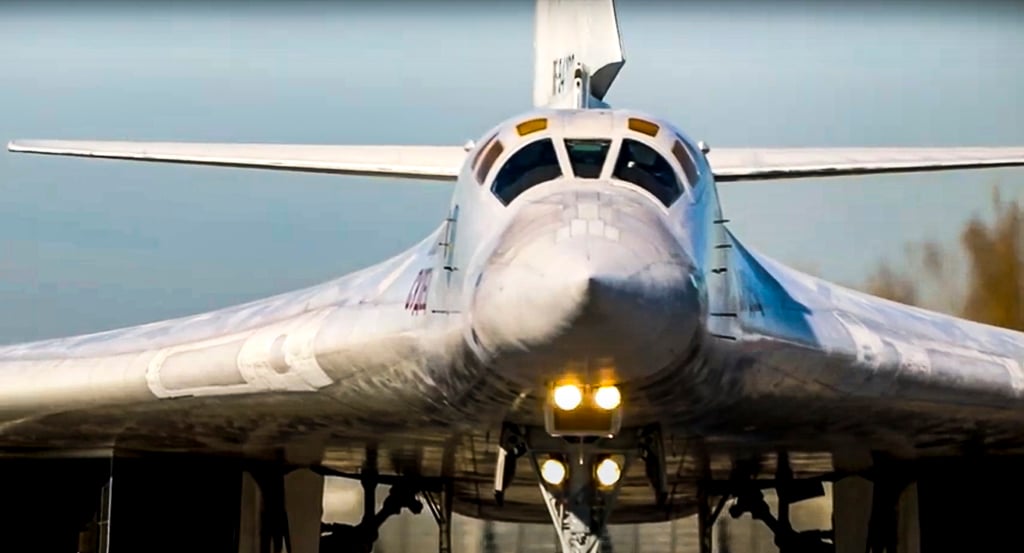
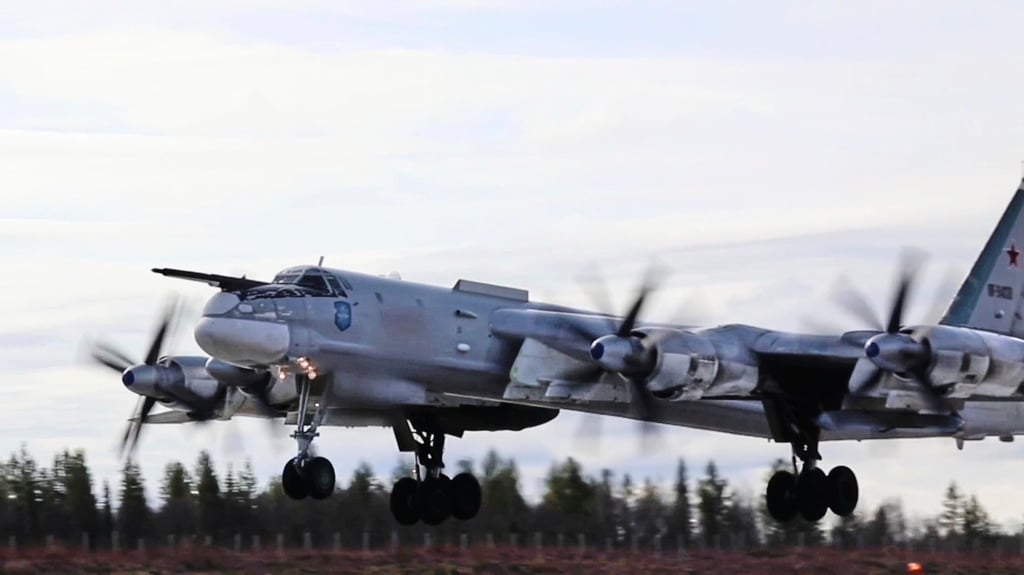
Previously, Russia deployed several Tu-95MS strategic bombers when entering the Kadiz. In contrast, Russian and South Korean defence reports said Tuesday’s formation included Tu-160 strategic bombers, which surpassed the Tu-95MS in speed, manoeuvrability and weapons-carrying capabilities.
The Tu-160 had traditionally been deployed mainly in Russia’s European theatre, but some aircraft were believed to have been sent to its eastern military district in recent years, Doo said.
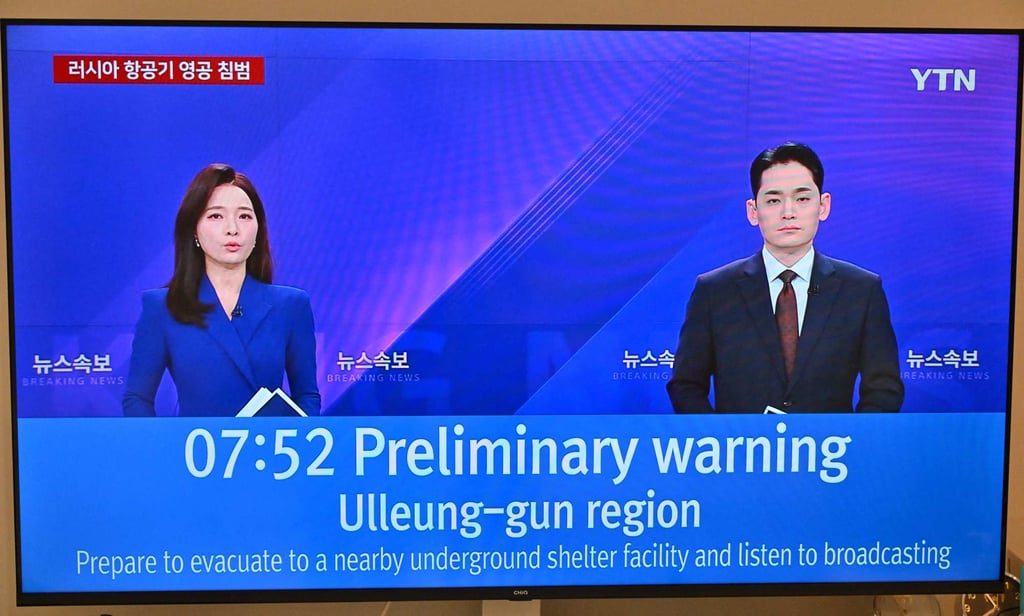
The South Korean Joint Chiefs of Staff issued an emergency alert for residents of Ulleung Island when the Russian aircraft appeared to be approaching the country’s airspace. An earlier mobile alert from Seoul claiming that Russian warplanes had entered South Korean airspace was later corrected.
The incident marked the first time South Korea’s military requested that the Ministry of the Interior and Safety issue an emergency alert based on an assessment that Russian military aircraft could potentially violate the country’s airspace.
A separate notice from the provincial government erroneously identified the aircraft as suspected North Korean planes, adding to confusion among the island’s residents by urging them to take shelter.
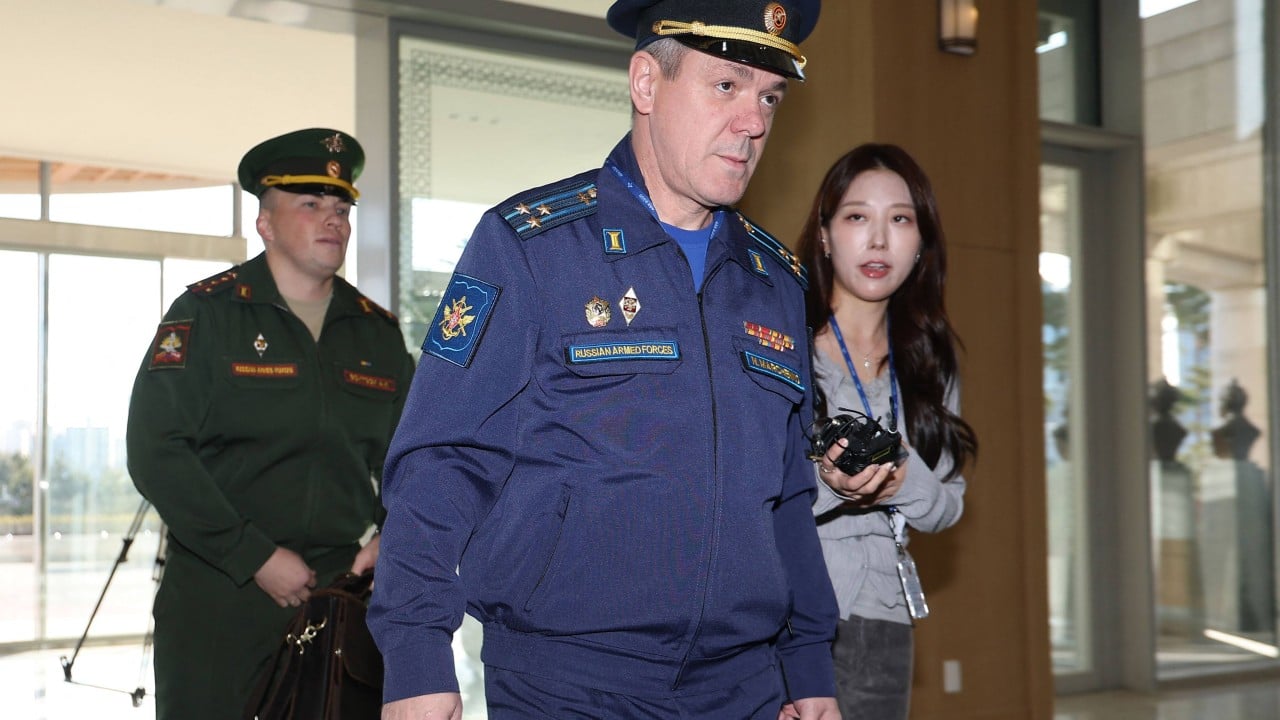
South Korea’s Defence Ministry summoned Nikolai Marchenko, the Russian defence attaché in Seoul, to its headquarters in Yongsan-gu on Tuesday afternoon and lodged a stern protest.
Referring to the incident on Tuesday, the Russian embassy in Seoul said in a statement on the same day: “As in previous cases of this kind, clarifications were provided that Russia acts in compliance with international law.”
Moscow has repeatedly argued that the Kadiz carries no legal obligations for other countries because South Korea established it unilaterally, according to Russian state news agency Tass.
The approach of Russia’s warplanes on Tuesday was closer than in an incident in March last year, when its aircraft reportedly flew within 20km of the northern edge of Ulleung Island’s airspace, Yonhap News Agency reported, citing military sources.
“Russian warplanes fly at an average speed of 600 to 700km per hour, or about 200 metres per second,” a military official said. “You can see how urgent the situation was.”
Like those established by Japan and China, the Kadiz is an airspace buffer zone around South Korea in which foreign aircraft are expected to identify themselves in advance, allowing it to monitor their movements and reduce the risk of accidental military clashes.
Such zones, however, are generally not recognised under international law.
In June, nearly 10 Chinese and Russian warplanes entered and left the Kadiz over South Korea’s eastern and southern waters during a joint air exercise, prompting a strong protest from Seoul.
In July 2019, a Russian A-50 airborne early-warning aircraft entered the Kadiz and twice violated South Korea’s airspace near the Liancourt Rocks – known in South Korea as Dokdo – its easternmost islets, prompting it to send fighter jets to fire warning shots.
Moon Keun-sik, a security expert at Hanyang University’s Graduate School of Public Policy, said Russia’s actions were aimed at mending its strained relations with South Korea.
“Whenever Russia wants to demonstrate its military strength, it has frequently sent military assets” towards the waters separating Japan and South Korea, Moon said.
Moscow was aware that maintaining relations with Seoul would remain important after an end to the war in Ukraine, given that South Korea was a more significant potential economic partner compared with the North, he added.
Moon dismissed suggestions that Russia’s latest military activities would lead to a significant escalation of tensions with South Korea.
“South Korea and Russia are geographically separated, there are no major underlying causes for military confrontation between them and there is no territorial dispute,” he said.
KioskNews shows a cleaned-up reading view extracted from the publisher’s page — the original always lives on their site, not ours.