Iron deficiency often goes undiagnosed and untreated. New guidelines could change that.
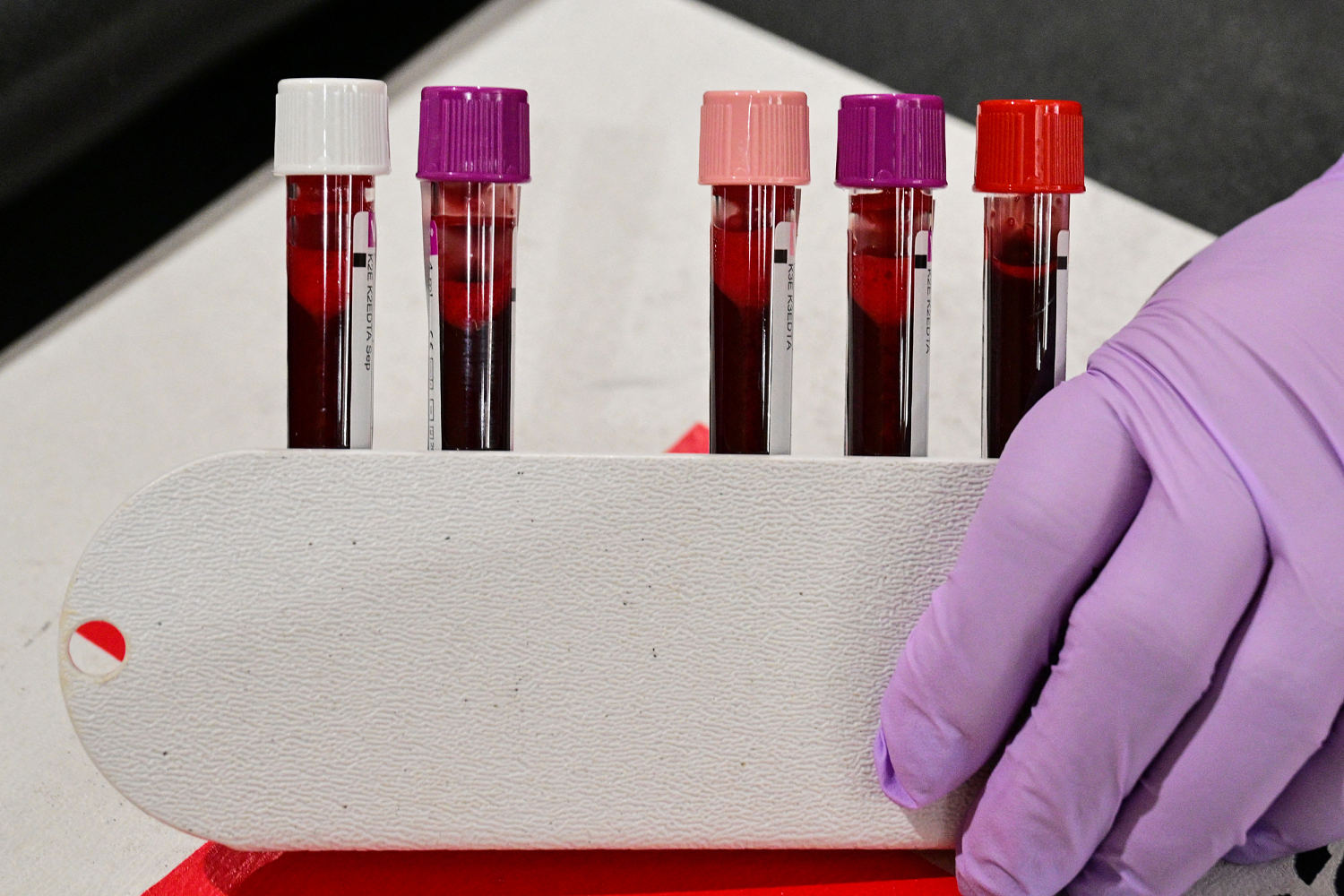
Iron deficiency is often overlooked in girls and younger women, but there are signs that doctors are finally “waking up” to a common blood disorder that can lead to fatigue or difficulty concentrating.
For the first time, the American Society of Hematology is offering guidelines to standardize the diagnosis of iron deficiency.
The new recommendations for screening will “hopefully encourage more proactive treatment for one of the most common blood disorders,” said Dr. Ariela Marshall, an associate professor in the division of hematology, oncology and transplantation at the University of Minnesota.
Almost 40% of teenage girls and young women have low levels of iron, according to a 2023 study published in JAMA, the first research to look at iron deficiency in young women and adolescent girls in the U.S.
Then in 2024, researchers at Brigham and Women’s Hospital found that nearly 1 in 3 of all adults in the U.S. have iron deficiency.
There are indications that the disorder may actually be increasing among adults in the U.S., Leo Buckley, an assistant professor in the internal medicine department at UT Southwestern Medical Center in Dallas. Buckley, who was a co-author of the 2024 study, said his team’s most recent research shows a 3% increase in iron deficiency prevalence between 1999 and 2020.
Low levels of iron in the blood are determined through a special blood test that measures ferritin, the protein that stores iron inside our cells. The problem? Normal ranges for ferritin vary from lab to lab, which means some iron deficiencies never get flagged.
The guidelines recommend new “threshold” ferritin levels to indicate low levels of iron in the blood. Based on the markers, some people who were previously believed to have high enough ferritin, or iron stores, would now be considered deficient, said Marshall, who is an expert with the hematological society. The guidelines are also the first to establish threshold levels for women with heavy periods.
Dr. Andrew Eisenberger, director of the classical hematology service at Columbia University Irving Medical Center in New York City, said there’s growing awareness of the condition.
“I actually don’t think that there’s more iron deficiency,” Eisenberger said. “I think we’re just kind of waking up.”
Even before the new guidelines, TikTok influencers turned “ferritin face” into a viral trend, blaming it for a whole range of symptoms — such as pale skin, fatigue, bloating or losing hair.
Women of childbearing age are at the highest risk for iron deficiency, especially those who experience heavy periods, including some perimenopausal women whose periods are heavier because of hormone shifts. Because blood contains iron in red blood cells, losing larger amounts of blood means losing larger amounts of iron every month.
Irritable bowel syndrome, which is more common among women in the U.S., can also cause iron deficiency, said Buckley.
Other health conditions that affect women in greater numbers that can affect iron levels include endometriosis, uterine fibroids, gastric bypass and celiac disease.
Eisenberger said women shouldn’t worry about anecdotal reports of heavier periods linked to Covid vaccines. While studies indicated the mRNA shots caused temporary changes in some women’s menstrual cycles, the cycle changes for a month or two shouldn’t be enough to trigger iron deficiency. “That shouldn’t typically be a permanent reset on the intensity and frequency of someone’s periods,” Eisenberger said.
How iron deficiency is diagnosed
A routine complete blood count lab checks only for hemoglobin to determine anemia, but because the test does not check ferritin levels, a normal result would not rule out iron deficiency.
“Iron is essentially a building block for the red cells, so somebody can be low on iron and not yet have developed anemia,” said Marshall, who said it’s a “big myth” that people with iron deficiency without anemia don’t experience severe symptoms.
Symptoms can range from fatigue to brain fog to a craving for chewing on ice, she said.
Marshall hopes ASH’s guidelines inspire doctors to test the ferritin levels of patients showing signs of low iron to catch iron deficiency earlier.
“Many of us in hematology realize that iron deficiency is very common, very underdiagnosed and therefore very undertreated,” Marshall said. “It’s an incredibly common condition, and it often has a very simple intervention of giving supplemental iron.”
Typically, a normal level of ferritin in the blood ranges from 12 to 140 nanograms per milliliter (ng/mL) in children ages 6 months to 15 years, from 15 to 205 ng/mL in women, and from 30 to 566 ng/mL in men, according to the Cleveland Clinic.
Levels below those ranges would indicate the body doesn’t have enough iron stores, which would suggest an iron deficiency.
Because the new guidelines raise the threshold, or cutoff, number for ferritin, otherwise healthy adults, including menstruating or pregnant women, with ferritin levels at or below 30 ng/mL could now be diagnosed with iron deficiency. For women with heavy periods, the highest risk group, the cutoff level for ferritin is at or below 50 ng/mL.
The guidelines essentially make it “easier” for someone to be diagnosed with an iron deficiency, Marshall said.
Eisenberger said some women don’t realize they have heavy periods, which is described as bleeding through a tampon or pad every one to two hours.
“I will have a woman come in, and when I ask her about the intensity of her periods, how many days, how many appliances she uses, she’ll say it’s normal and it’s normal for her because it’s normal for what her sister has,” Eisenberger said.
“But I do a double take when she tells me she’s using two pads at once or has to wear a diaper to leave the house and she thinks that’s normal,” he said.
Marshall, who specializes in bleeding and clotting disorders, said the recommendations provide important guidance for doctors who treat women with heavy periods.
“It’s all too common right now that women are told, ‘Oh, your ferritin is 25, but our lab says that it’s not low until it’s less than 15,’” Marshall said.
With the new guidelines, “we can get them treatment, and many of these women will feel significantly better after getting some iron,” she said.
Buckley said iron deficiency symptoms are often downplayed or overlooked by doctors, which delays diagnosis.
“It’s tricky because the symptoms aren’t always obvious,” Buckley said. “It could be something like fatigue. It could be just feeling like your mind is not as sharp if it gets more severe. Some people could have restless leg syndrome or less common side effects.”
Some patients never mention their fatigue to their doctors because they chalk up their tiredness to a busy schedule, Buckley said.
Treating iron deficiency and anemia
If untreated, the condition can progress into iron-deficiency anemia, which happens when the body lacks enough iron to make hemoglobin, the protein in red blood cells that carries oxygen. This type of anemia is rarely life-threatening, but it can affect quality of life.
Symptoms of iron-deficiency anemia include dizziness, shortness of breath, hair loss, headaches and irregular heartbeat. Severe anemia cases can lead to heart issues and pregnancy complications.
Treating iron deficiency or even mild anemia can often be done with oral iron supplements such as ferrous sulfate. “For people who have mild anemia and don’t have chronic constipation or bloating or nausea, I may try putting them on pills first,” Eisenberger said.
Other treatment options include hormonal birth control pills or an IUD to control heavy periods.
Getting iron in your diet
Eating an iron-rich diet helps keep iron stores up.
Pregnant women and those who follow vegetarian or vegan diets need to eat more foods high in iron.
In general, heme iron, which is found in animal products like beef and eggs, is better absorbed than non-heme iron in vegetarian and vegan foods.
Still, those who avoid animal products can supplement with iron or optimize their iron intake by pairing it with foods rich in vitamin C so it’s absorbed better.
“Any doctor who tells a patient that they should not adhere to a vegetarian or vegan diet because of iron deficiency is from the Stone Ages,” Eisenberger said.
Other foods high in iron include:
- Leafy greens
- Seafood, such as tuna or sardines
- Tofu
- Beans
Not everyone has access to nutritious iron-rich foods, said Buckley, who noted that malnutrition is a leading cause of iron deficiency around the world.
“Food insecurity is linked to a lot of other factors that could be causing iron deficiency,” Buckley said.
KioskNews shows a cleaned-up reading view extracted from the publisher’s page — the original always lives on their site, not ours.