Not everyone with ADHD and autism traits needs a diagnosis, major review finds
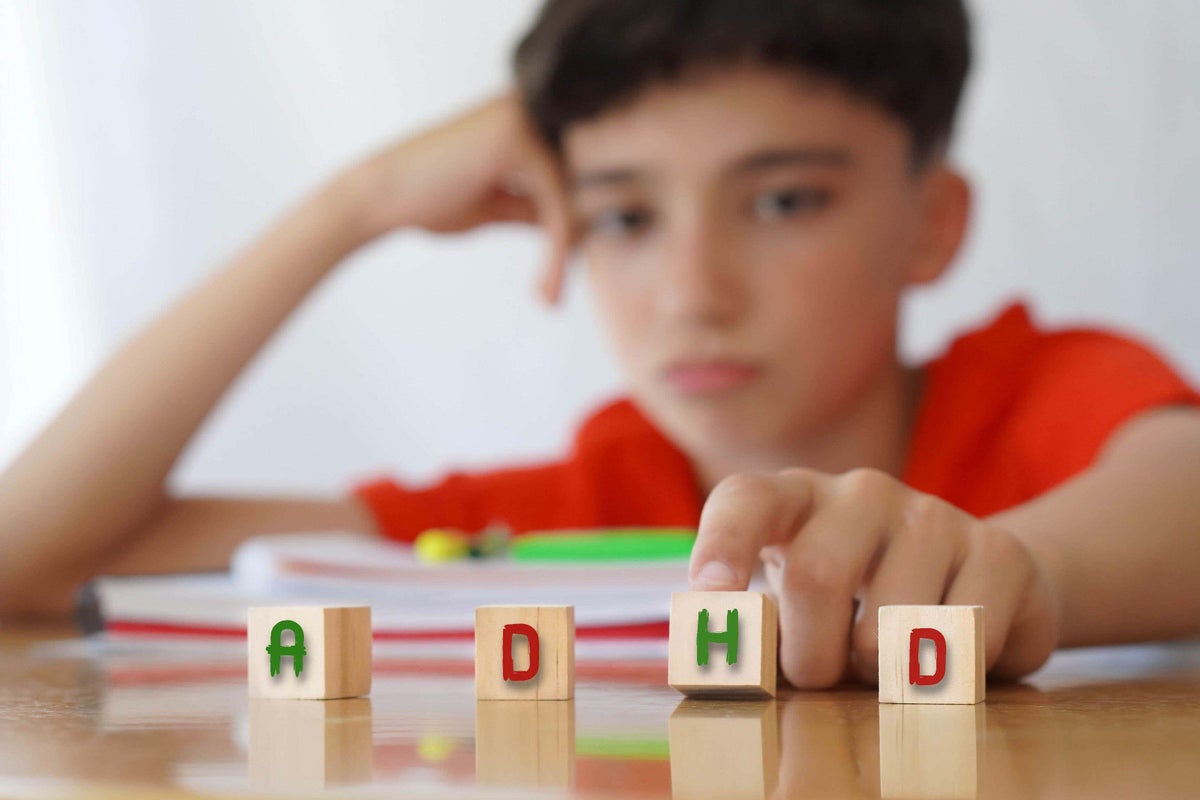
ADHD and autism are at increased risk of overdiagnosis and misdiagnosis, a major government-ordered review has found, which calls for “radical reform” to support patients as waiting lists spiral.
The review, ordered by former health secretary Wes Streeting as part of Labour’s plans to tackle welfare spending, found the current system in England “falls short”, with people waiting years in some cases because help is “locked behind waiting for a diagnosis”.
While the authors said they “cannot conclude that overdiagnosis is occurring at scale”, they warned of an “increased risk of misdiagnosis and overdiagnosis”.
They called for a move away from needing a diagnosis to access help, saying a diagnosis can “do harm” when it is inaccurate by directing someone towards the wrong treatment. And they said overdiagnosis can lead to “over-medicalisation” when other support might be more suitable.
They gave an example of a student experiencing “marked loneliness but not major depression” being prescribed antidepressants “when a better option would be anything that increases their social networks”.
“Having ADHD- or autism-related traits does not necessarily mean someone has a diagnosable condition,” the authors said.
Mr Streeting commissioned the review last year after waiting lists for attention deficit hyperactivity disorder assessments hit 560,000 in December 2025 – more than 17 times the number recorded in 2019. More than 254,000 people had an open autism referral in December last year.
The proportion of working-age adults with a common mental health disorder, such as anxiety or depression, has increased by almost half over the past 30 years, from 15.5 per cent of adults aged 16 to 64 diagnosed in 1993 rising to 22.6 per cent in 2024.
“The rise in mental health problems is real, is affecting everyday functioning, and cannot be explained by greater awareness alone,” the authors wrote.
At a briefing, report chair Dr Peter Fonagy said the report came as young people faced struggles such as increased uncertainty, financial pressures, and unaffordable housing and “a lack of hope among young people that their lives will be better than their parents”.
Meanwhile, awareness of ADHD and autism has “risen dramatically”, leading to hundreds of thousands of people waiting for an assessment.
The audit, also chaired by Sir Simon Wessley, concluded that people waiting years to access help was unsustainable and called for a shift away from a “diagnosis-dependent system”, which is needed to access education support and some benefits. They also called for a clinical review of those on waiting lists to to prioritise those with the highest needs.
Although the review highlights the risk of overdiagnosis occurring in the future, the reviewers said current data on the prevalence of ADHD and autism is too old and have called for new evidence to be gathered.
The review also raised concerns about the “consistency and quality” of private ADHD and autism providers, which conduct more than half of NHS-funded ADHD and a third of autism assessments.
The cost of private ADHD diagnosis has soared by 252 per cent in three years, but there is no consistent oversight, transparency or quality assurance over the sector, the authors said.
Experts have welcomed the review and its recommendation to move away from a diagnosis-dependent system.
Thea Stein, chief executive for The Nuffield Trust, said: “Moving towards a system based on people’s needs is sensible, but it can only work if support is actually there for people who need it. The knotty question for policymakers is how we decide who needs clinical care and diagnosis and who can be better helped through support in work, school and wider society.”
She added: “Today’s report marks an important step in moving the debate on from unhelpful caricatures like the ‘snowflake generation’.
“But change comes with a price tag. The over 400 pages of findings and recommendations are at risk of gathering dust if the government doesn’t work quickly to make hard choices and commit the funding to invest in the new service models Fonagy has outlined.”
However, Dr Rachel Moseley, principal academic in psychology at Bournemouth University, cautioned against the suggestion in the report that patients with the most severe needs should be prioritised.
She said: “It is inarguable that neurodivergent people with obvious, complex difficulties need and deserve support and diagnosis. However, we have observed a growing trend calling into doubt the legitimacy of needs in autistic and ADHD people whose differences are less extreme – people who attend mainstream schools, sustain employment for prolonged periods, yet suffer excess morbidity and mortality, particularly through suicide.
“There is, as such, a threat that diagnosis and support will be rationed to the detriment of these groups, who find a diagnosis "life-saving" for the explanation it gives them, but who also have significant need for support.”
KioskNews shows a cleaned-up reading view extracted from the publisher’s page — the original always lives on their site, not ours.