With pollution curbs in Delhi, labourers stare at months without wages
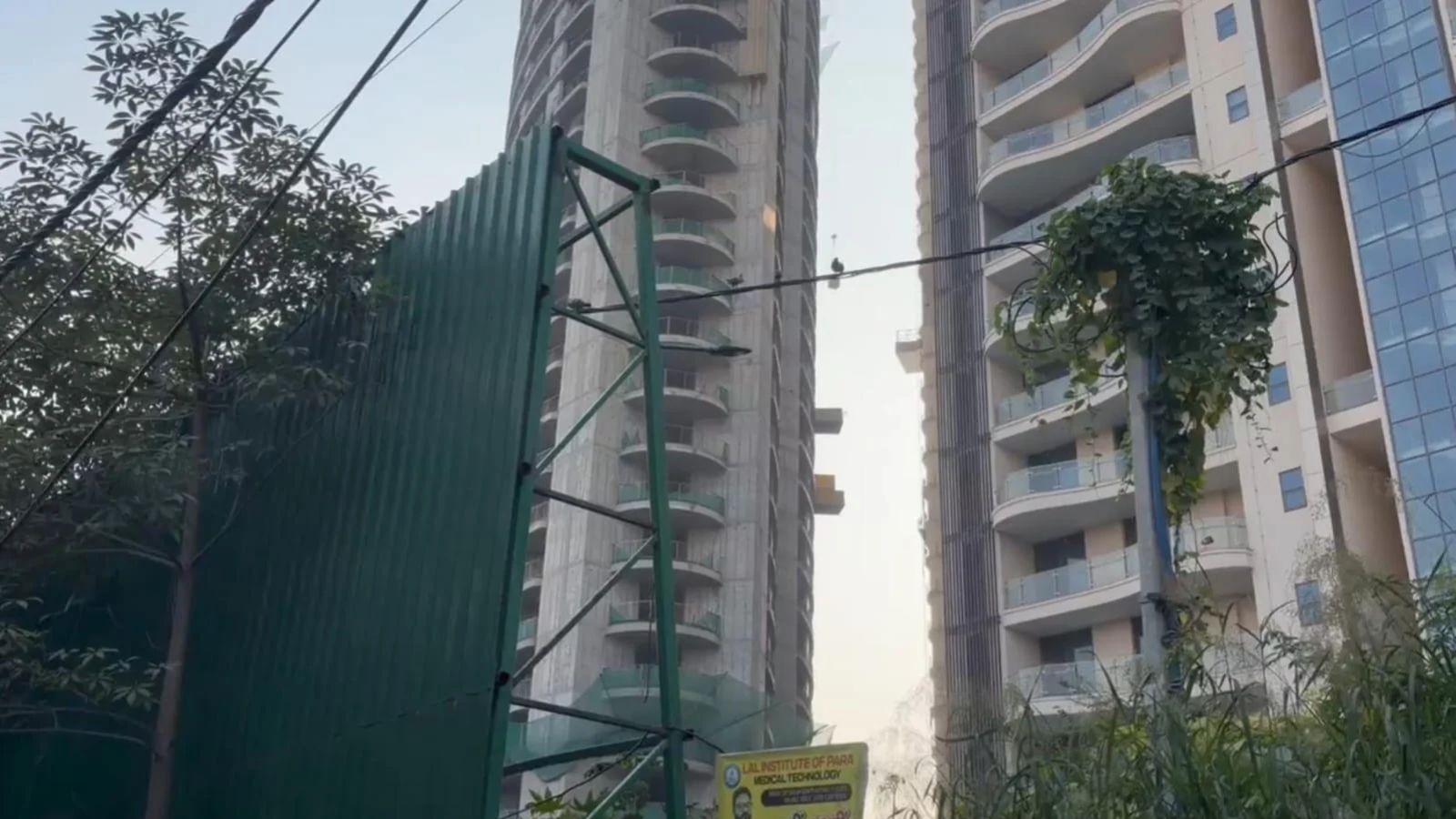
Ten days. 40 acres. Hundreds of workers. At The Amaryllis luxury housing project in Karol Bagh, the clock was ticking. With the ban on construction work beginning November 1, labourers hurried through exterior work on the complex’s towers, trying to finish as much as possible before the deadline.
Outside, while a water sprinkler truck made its rounds, dust hung over the neighbourhood. For workers, however, the bigger worry was what would happen after November 1.
On Tolstoy Marg, Rohit (29), a construction worker from Bikaner, was already preparing for the months without work.
“For two or three months, work stops,” he said. “The contractor asks us to return to our villages. Once work resumes, they will call us back.”
When Rohit gets work regularly, he earns around Rs 18,000 a month, sends Rs 10,000 home and uses the rest for rent and daily expenses in Delhi. “I do not have any savings. I have to find some work in the village,” he said.
For thousands of migrant workers like Rohit, the approaching winter means months without a steady income, followed by the uncertainty of returning to Delhi when construction resumes.
The slowdown was visible at Amba Deep building on K G Marg. The construction site stood silent, with green nets and steel frames lining the building where office renovation and repair work had been under way. The 15 to 20 workers usually deployed there had left for their villages for the festive season.
Story continues below this ad
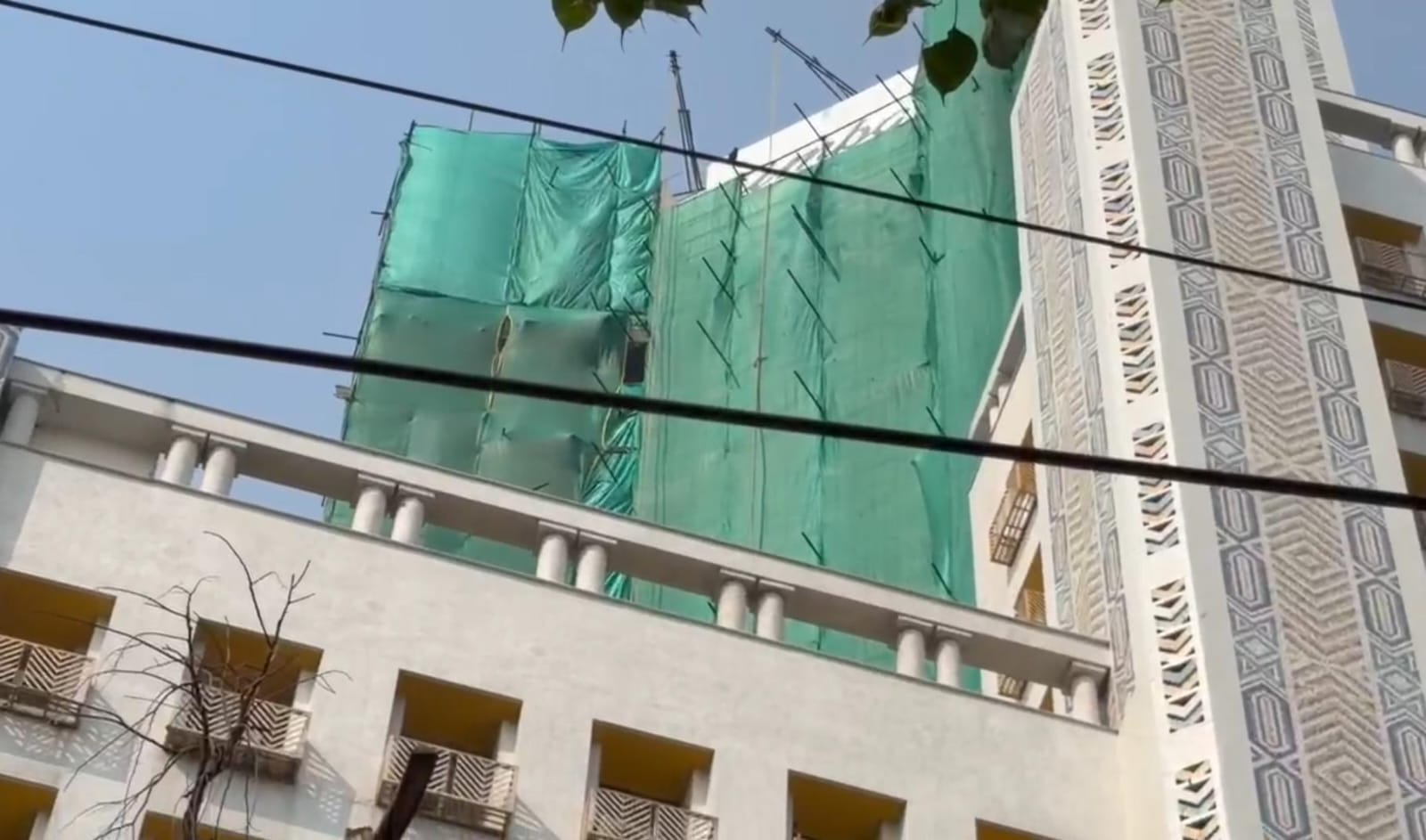 The Amba Deep building on KG Marg in New Delhi. (Express photo)
An official at the site said many would not return for weeks. Nearly four years into the project, and with around 90% of the work complete, the official estimated another two years could be needed to finish the work. The upcoming restrictions have forced builders to rethink schedules, bringing forward work that can be completed before November and postponing other activities.
At The Amaryllis, Kunal Behrani, Chief Commercial Officer of Unity Group, said they have rearranged priorities to complete civil works first. “I am finishing civil works first, then will do electrical and plumbing works… planning was done to rework the priorities,” he added.
But once the total mid-winter freeze kicks in, Behrani warned, projects will hit a dead end. “From December 10, when the complete ban kicks in, I would be in serious trouble because I wouldn’t have anything left to do. There is no clarity on what kind of work can be done and what cannot be done. You are completely stuck,” he said.
From December 10 to January 20, a complete shutdown of construction and demolition activity is mandated under Delhi’s Winter Action Plan.
Story continues below this ad
The Plan marks a shift from the earlier system, under which construction activity was curtailed largely in response to air quality levels under the Graded Response Action Plan (GRAP). While GRAP Stages 3 and 4 halted heavy dust-generating activities like excavation, demolition, and external facade plastering, they allowed non-dust interior works such as plumbing, electrical wiring, carpentry, and elevator or DG set installations to proceed.
However, under the Winter Action Plan, dust-generating demolition and outdoor civil construction will be prohibited from November 1 to January 31, followed by a complete halt to all construction and demolition activity from December 10 to January 20. Behrani said builders were now dealing with two sets of restrictions. “We get the worst of the two worlds, as CAQM imposes GRAP on me, and then the government gives a separate notice,” he added.
Pointing to a “labor retention crisis”, he said when construction halts for weeks, workers migrate home and refuse to return until full-scale operations restart, delaying project delivery.
A Confederation of Indian Industry (CII) member also said that workers were unlikely to return immediately after restrictions were lifted. “If you tell me that I won’t do any work for 40 days, the labourer will go home… Most labourers are migrants…,” the member said. “It takes no time for them to leave, but bringing them back is tough. Even if you tell them that work can start from January 31, they will wait for the work to commence completely before coming back.”
KioskNews shows a cleaned-up reading view extracted from the publisher’s page — the original always lives on their site, not ours.